Echoes of the Past: How Finland Dodged Authoritarianism
Democracy, often perceived as a steadfast ideal, is a fragile construct susceptible to the whims of political extremism. As the United States grapples with increasing polarization and challenges to its democratic institutions, it might benefit from examining a historical parallel: Finland in the 1930s. A recent Vox report delves into this period, revealing how a nation on the brink of authoritarianism managed to pull back, offering valuable insights for preserving democracy today.
The Rise and Fall of the Lapua Movement
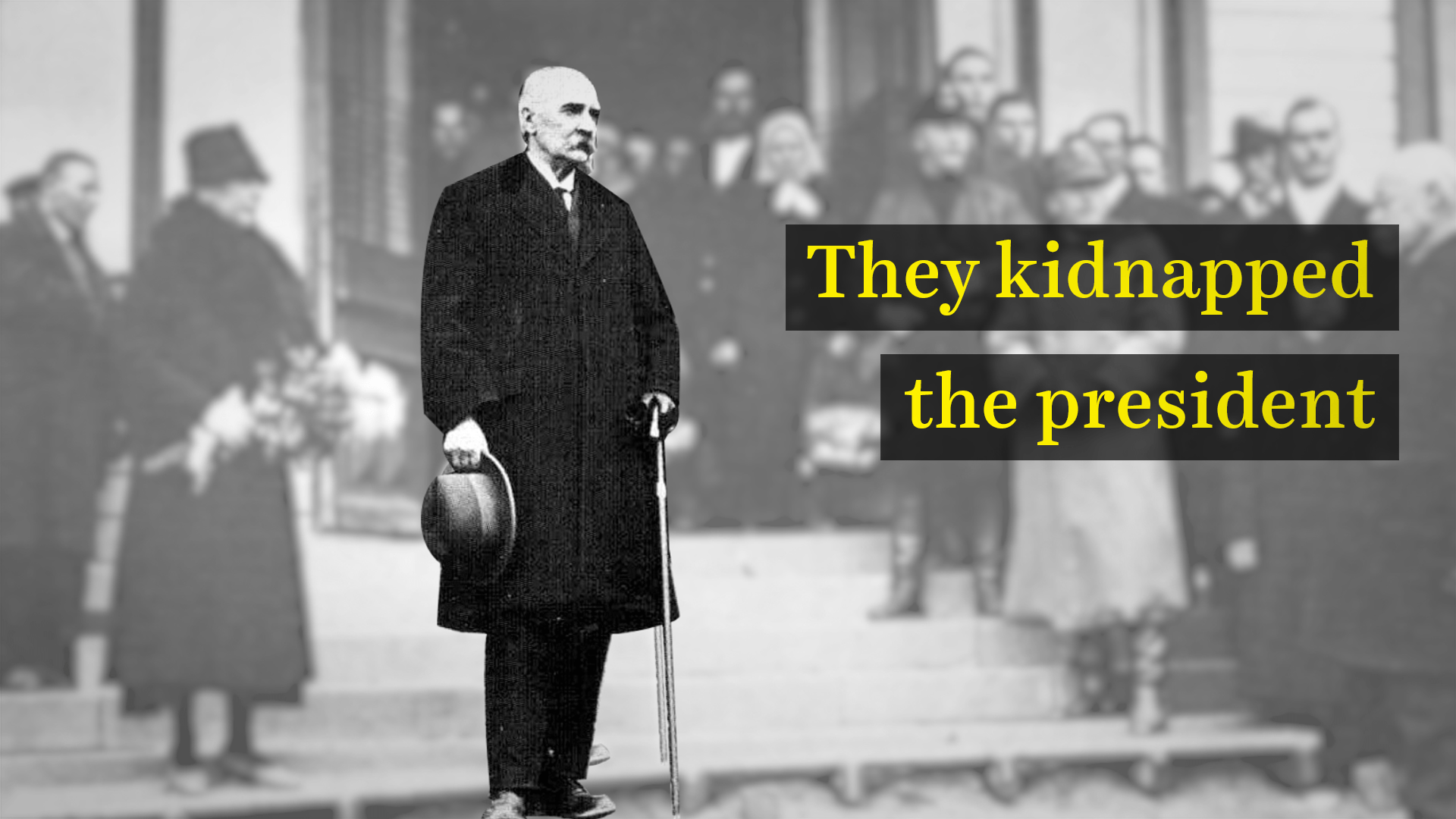
In the tumultuous 1930s, Finland faced a grave threat from the Lapua movement, a radical conservative faction mirroring some of the far-right ideologies seen in contemporary politics. This group aimed to dismantle the republic, suppress communism, and establish an authoritarian regime. Their methods were alarmingly effective, employing intimidation tactics, symbolic kidnappings, and the disruption of political order. The Lapua movement would abduct political opponents and drive them to the border with the Soviet Union as a warning.
What made the Lapua movement particularly dangerous was its infiltration into mainstream society. It garnered support from center-right politicians who mistakenly believed they could control and utilize its fervor. Prominent figures from the business world, influential newspaper owners, and even key members of the military aligned themselves with the movement, lending it legitimacy and resources.
A Swift Reversal: The Crushing of Extremism
Despite its initial momentum and widespread support, the Lapua movement’s reign was surprisingly short-lived. Within a mere three years of its inception, it faced a complete and utter collapse. The Finnish government swiftly banned the movement from participating in politics, effectively dismantling its power base. This decisive action proved crucial in safeguarding Finland’s democratic foundations.
The critical question is: What factors contributed to this rapid reversal? While the Vox report delves into the specific historical context, broader themes emerge. A united front against extremism, a commitment to the rule of law, and the courage to confront powerful vested interests played pivotal roles. The Finnish example underscores the importance of swift and decisive action when faced with threats to democracy.
Lessons for America: A Call to Vigilance
The Finnish experience serves as a stark reminder that even seemingly stable democracies are vulnerable to extremist movements. The allure of strongman politics, the appeal to nationalist sentiments, and the exploitation of societal divisions can quickly erode democratic norms.
For the United States, the lessons are clear. Vigilance against the spread of extremist ideologies, a commitment to bipartisan cooperation in defense of democratic institutions, and a willingness to hold those who undermine democracy accountable are essential. The collapse of the Lapua movement demonstrates that even the most formidable challenges to democracy can be overcome with decisive action and a unwavering commitment to its principles. As America navigates its own political challenges, the story of Finland offers a beacon of hope and a call to action.
Based on materials: Vox