Late-Night TV Feels the Chill: Trump Era Rules Resurface
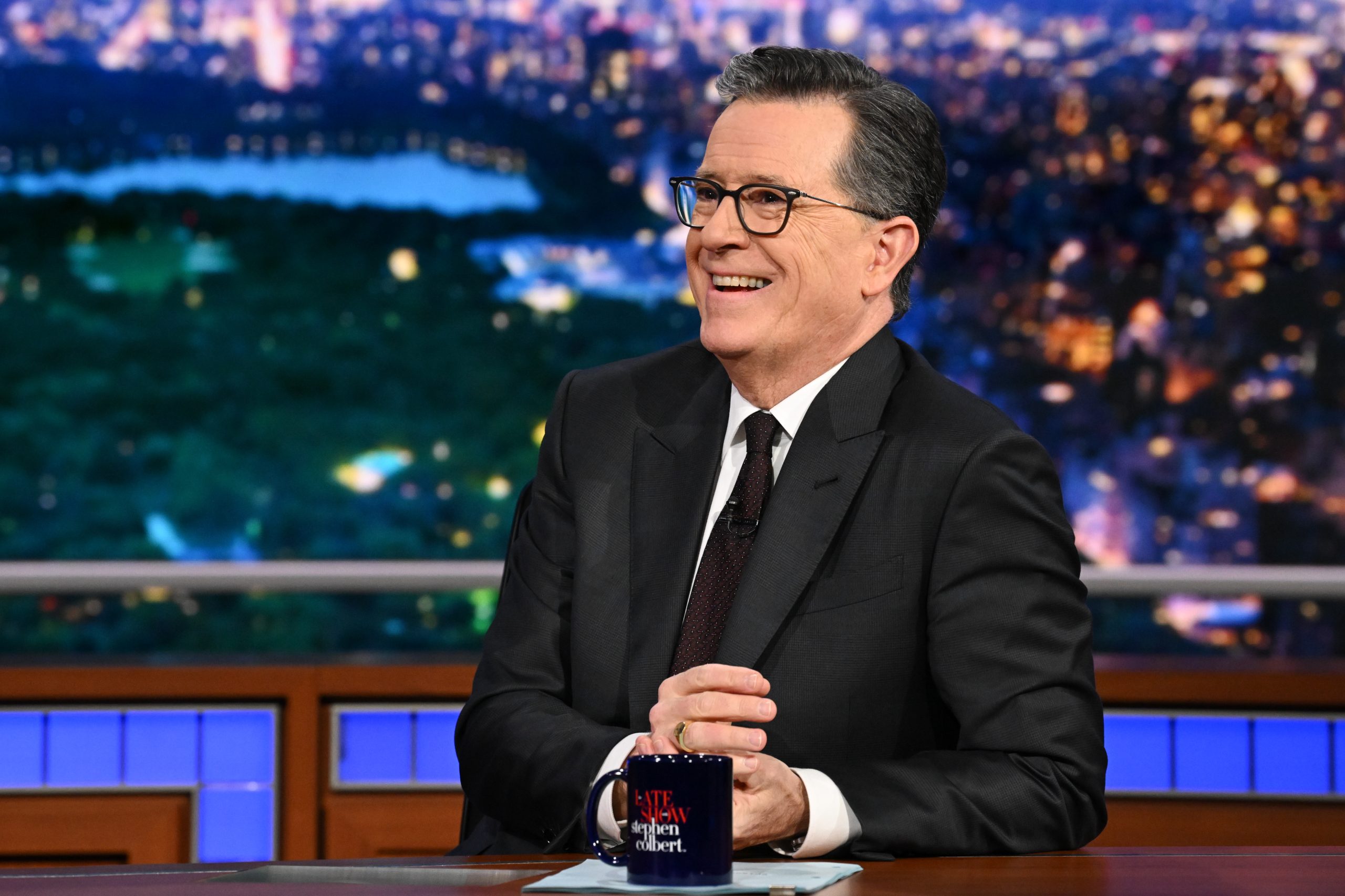
The world of late-night television, long a bastion of political satire and commentary, is facing renewed scrutiny under an old FCC rule, raising concerns about censorship and the ability of comedians to engage with political discourse. Stephen Colbert, host of CBS’s “The Late Show,” recently revealed the network’s legal team barred him from airing an interview with Texas Democratic Senate candidate James Talarico, citing concerns about the Federal Communications Commission’s (FCC) equal-time rule.
The Equal-Time Rule and Its Resurgence
The equal-time rule, a long-standing regulation, mandates that broadcasters provide equal airtime to all candidates vying for the same office. While late-night shows have historically been considered exempt, the Trump administration signaled a shift last month, announcing a renewed intention to enforce the rule. This sudden enforcement has sent ripples through the late-night landscape, forcing networks to carefully consider the potential implications of showcasing political candidates.
This raises serious questions about the future of political satire on television. Late-night shows often use humor to dissect complex political issues and hold politicians accountable. The threat of equal-time violations could lead to a chilling effect, discouraging hosts from engaging in meaningful political discussions, lest they be forced to provide platforms for potentially harmful or fringe candidates.
A Balancing Act Between Satire and Regulation
The situation highlights the delicate balancing act between freedom of expression and regulatory oversight. While the equal-time rule aims to ensure fairness and prevent broadcasters from favoring specific candidates, its rigid application can stifle political commentary and limit the scope of public discourse. The entertainment industry argues that late-night shows operate within a different sphere than traditional news outlets, where satire and opinion are central to their format.
The enforcement of this rule during an election year is likely to further complicate the already fraught political landscape. Late-night shows, often seen as a vital source of information and entertainment for younger demographics, may be forced to self-censor, potentially diminishing their role in shaping public opinion.
The Future of Political Commentary in Comedy
The implications of this renewed enforcement extend beyond just “The Late Show.” It signals a potential shift in the relationship between late-night television and politics, raising concerns about the future of political commentary in comedic formats. Whether networks and hosts will find creative ways to navigate these restrictions, or if the threat of FCC action will lead to a noticeable decline in political satire, remains to be seen. One thing is clear: the political climate is impacting even the most lighthearted corners of the entertainment world.
SOURCE INFORMATION:
TITLE: The Trump threat looming over late-night TV, briefly explained
DESCRIPTION: This story appeared in The Logoff, a daily newsletter that helps you stay informed about the Trump administration without letting political news take over your life. Subscribe here. Welcome to The Logoff: The Trump administration is mucking about with late-night TV again. What happened? On Monday night, comedian Stephen Colbert, who hosts CBS’s late-night talk show The […]
CONTENT: Stephen Colbert on the set of his late-night show, The Late Show with Stephen Colbert. | Scott Kowalchyk/CBS via Getty Images This story appeared in The Logoff, a daily newsletter that helps you stay informed about the Trump administration without letting political news take over your life. Subscribe here. Welcome to The Logoff: The Trump administration is mucking about with late-night TV again. What happened? On Monday night, comedian Stephen Colbert, who hosts CBS’s late-night talk show The Late Show, said he had been barred by CBS lawyers from airing an interview with Texas Democratic Senate candidate James Talarico over concerns about a Federal Communications Commission (FCC) rule. Late-night shows have long been considered exempt from something called the equal-time rule, which requires equal airtime for candidates contending for the same office. Last month, however, the Trump administration announced that it would begin to enforce the rule. (The Late Show did po
SOURCE: Vox
Based on materials: Vox