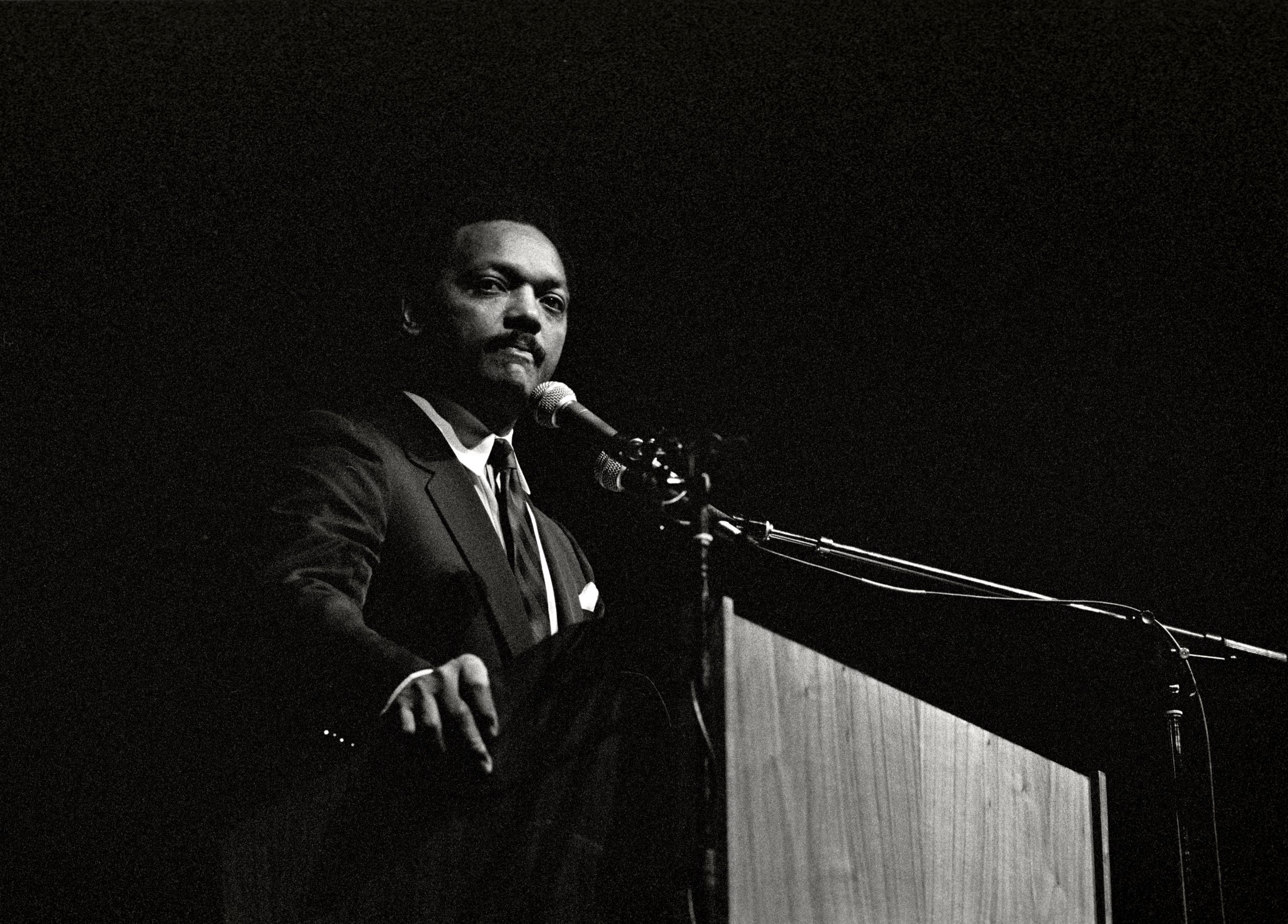
The Rev. Jesse Jackson: A Titan Whose Impact Echoes Still
The passing of Rev. Jesse Jackson, a towering figure in the civil rights movement and a transformative presence in American politics, at the age of 84, marks the end of an era. But Jackson’s influence, particularly on the Democratic Party, continues to resonate. From his pivotal role in the King-era civil rights movement to his groundbreaking presidential campaigns in 1984 and 1988, Jackson redefined the political landscape, pushing the Democratic Party toward a more inclusive and progressive future.
From Activism to Electoral Politics: A Natural Progression
Jackson’s transition from civil rights activism to electoral politics was a natural extension of his commitment to social justice. He recognized that lasting change required not only protest and advocacy but also participation in the political process. His 1984 and 1988 presidential bids were not just symbolic gestures; they were strategic efforts to mobilize marginalized communities, amplify their voices, and force the Democratic Party to address their concerns.
Jackson’s campaigns were characterized by a powerful message of economic justice, racial equality, and peace. He galvanized African American voters, energized progressive activists, and brought new issues to the forefront of the political debate. While he didn’t win the presidency, his campaigns had a profound impact on the Democratic Party, pushing it to embrace a more inclusive platform and to prioritize the needs of working-class Americans.
A Legacy of Inclusion and Empowerment
Jackson’s legacy extends far beyond his presidential campaigns. He was a tireless advocate for the poor, the disenfranchised, and the marginalized. He fought for voting rights, economic opportunity, and an end to discrimination. He challenged the Democratic Party to live up to its ideals and to represent the interests of all Americans, not just the wealthy and powerful.
His impact is still felt today. The Democratic Party is more diverse, more progressive, and more committed to social justice than it was before Jackson entered the political arena. While challenges remain, Jackson’s vision of a more just and equitable society continues to inspire activists and politicians alike. His passing is a loss, but his legacy is a testament to the power of activism, the importance of political engagement, and the enduring pursuit of a more perfect union.
Based on materials: Vox