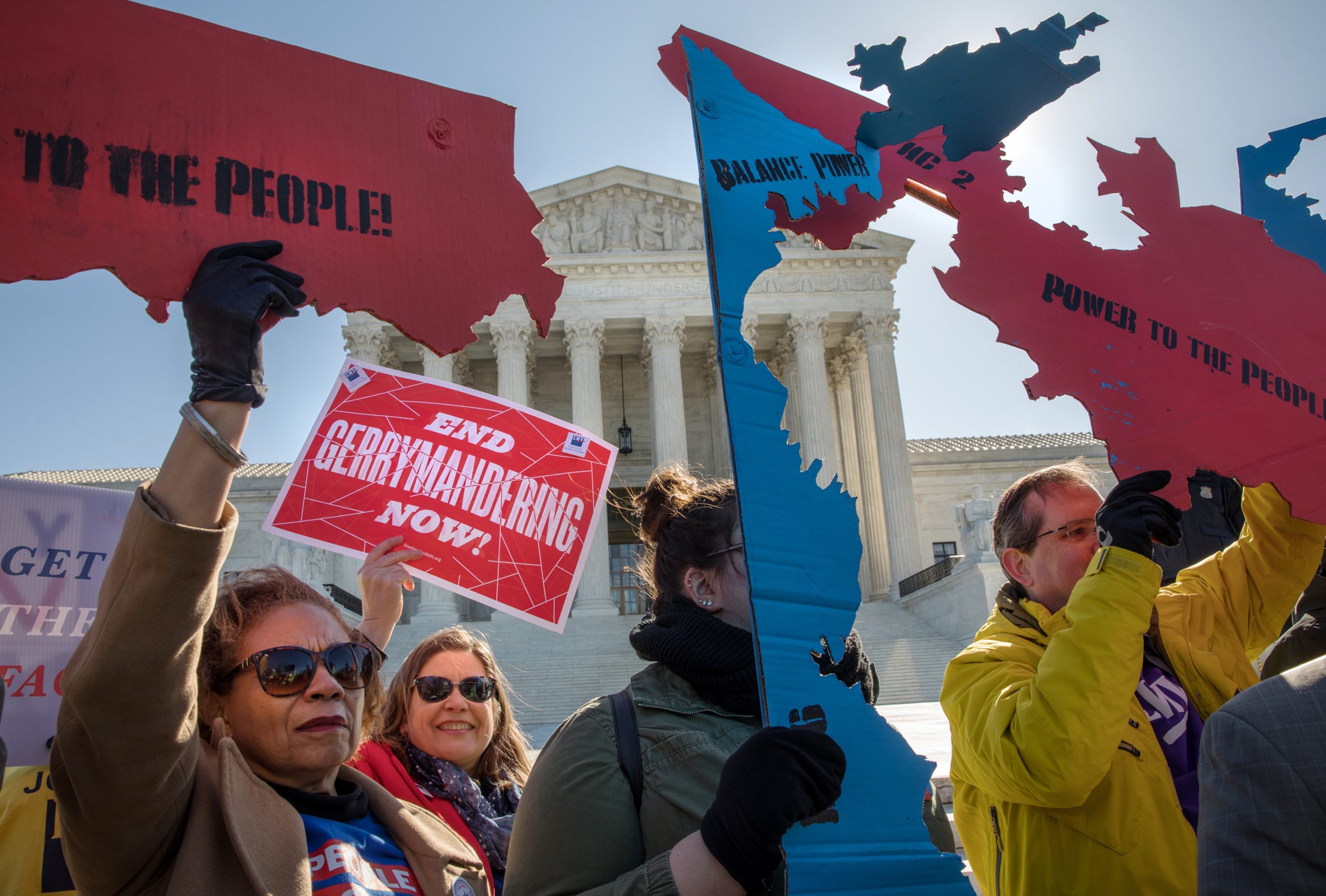
Gerrymandering Fight Looms: SCOTUS Could Gut Voting Rights Act
A recent New York state court decision has ignited a political firestorm, raising concerns that the Supreme Court’s conservative majority might use the case to further dismantle the Voting Rights Act. The case,
Williams v. Board of Elections of the State of New York
, involves a challenge to the state’s redistricting maps.
A Ruling Out of Step
New York State Judge Jeffrey Pearlman’s opinion has been widely criticized as being out of touch with the Supreme Court’s current stance on racial gerrymandering. The Republican-leaning majority on the Supreme Court has consistently opposed laws that consider race in any significant way, making Pearlman’s decision appear vulnerable to appeal. However, the very vulnerability of the decision is what makes it so concerning to many.
A Potential Vehicle for Change
While the
Williams
case itself might seem destined for reversal, it presents a tempting opportunity for the Supreme Court’s conservative justices. They could potentially use this case as a vehicle to advance their long-held goal of weakening or even eliminating the Voting Rights Act’s protections against gerrymandering. This could pave the way for Southern states, predominantly controlled by Republicans, to create gerrymandered maps that heavily favor the GOP, effectively disenfranchising minority voters.
Implications for the Future
The potential consequences of such a decision are far-reaching. Gutting the Voting Rights Act’s safeguards would reshape the political landscape, giving Republican-controlled states significantly more power to manipulate district lines to their advantage. This could lead to decades of skewed representation and further polarize American politics, making it even more difficult for minority voices to be heard. The case serves as a stark reminder of the ongoing battle over voting rights and the potential for the Supreme Court to significantly alter the rules of the game.
Conclusion
The
Williams v. Board of Elections
case, though seemingly a minor state-level dispute, could have major national ramifications. It underscores the fragility of voting rights protections and the willingness of some to use the courts to achieve partisan objectives. The coming months will be crucial as the case makes its way through the appeals process, potentially landing before a Supreme Court poised to reshape the future of American elections.
Based on materials: Vox