Is the House Too Small? Calls Grow to Expand Representation
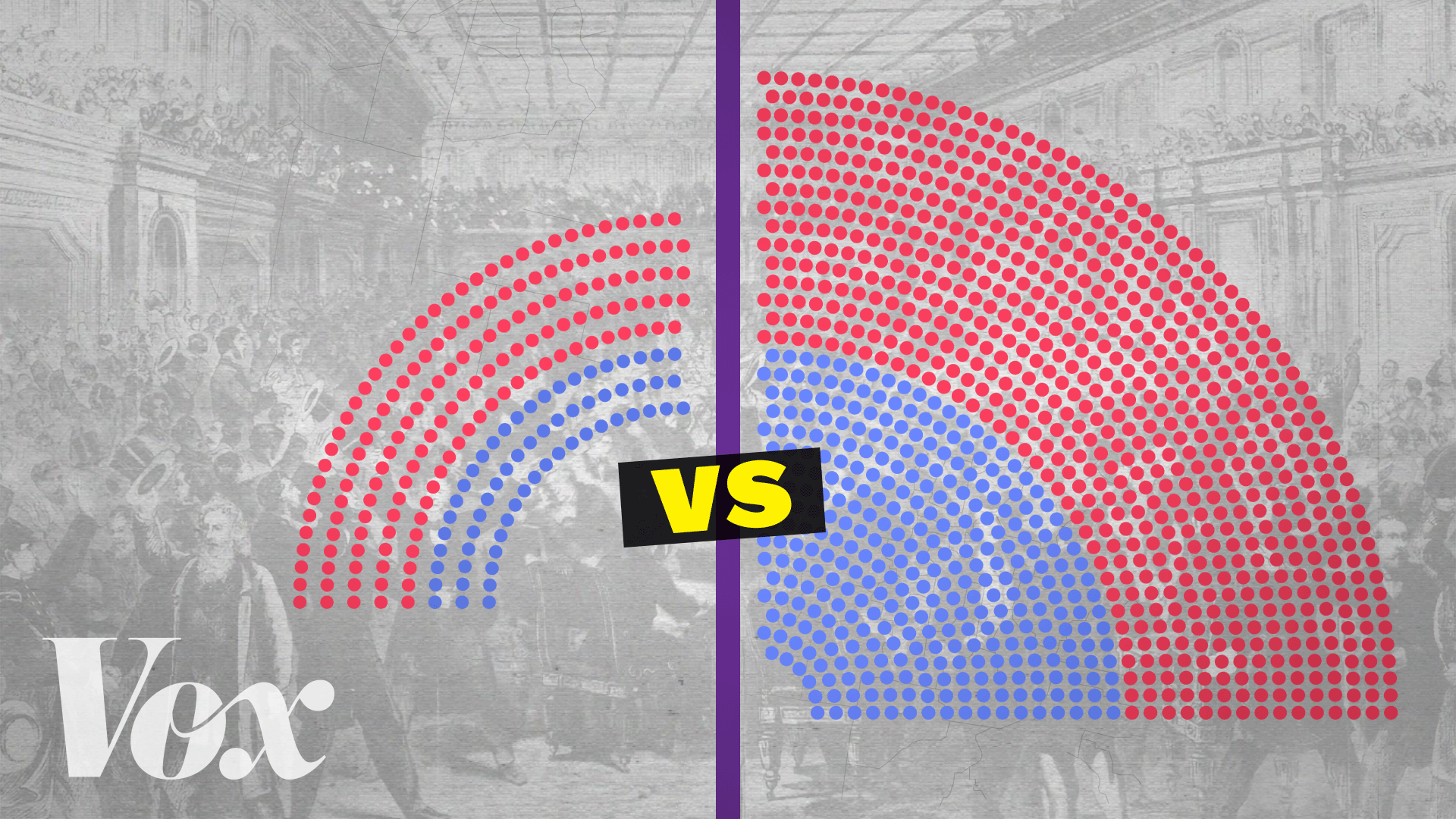
For over a century, the United States House of Representatives has remained fixed at 435 seats. Meanwhile, the nation’s population has exploded, tripling in size. This stark disparity has led to a situation where each representative now serves an average of over 750,000 constituents. This imbalance, some experts argue, contributes significantly to the growing sense of disconnect between Americans and their elected officials.
A Call for Expansion: Reimagining Representation
Representative Sean Casten (D-IL) is championing a solution: expanding the House. His proposed bill aims to increase the number of representatives, bringing the ratio of voters to representatives closer to what the nation’s founders initially intended. This isn’t just about numbers; it’s about ensuring that individual voices are heard and that representatives can effectively address the diverse needs of their communities.
The current system, critics argue, dilutes individual representation. When a single representative is responsible for such a large constituency, it becomes challenging to truly understand and respond to the specific concerns of each community within their district. Expanding the House could create smaller, more manageable districts, fostering closer relationships between representatives and their constituents.
Gridlock or Progress: Navigating a Larger Legislature
However, expanding the House raises a critical question: could a larger, more crowded legislature effectively govern, or would it simply amplify the existing gridlock in Washington? The potential for increased debate and diverse perspectives is undeniable. Yet, the risk of heightened partisan divisions and legislative paralysis also looms large.
Some worry that a larger House would become unwieldy, making it even more difficult to reach consensus and pass legislation. Others argue that a more representative body, reflecting the full spectrum of American viewpoints, could ultimately lead to more informed and effective policymaking.
Finding the Balance: A Path Forward for American Democracy
The debate over expanding the House of Representatives highlights the complex challenges facing American democracy. Finding the right balance between efficient governance and adequate representation is crucial. Whether expanding the House is the answer remains to be seen, but the conversation itself is a vital step towards ensuring that all Americans feel heard and represented in their government. The future of American democracy hinges on addressing these fundamental questions of representation and accountability.
Based on materials: Vox