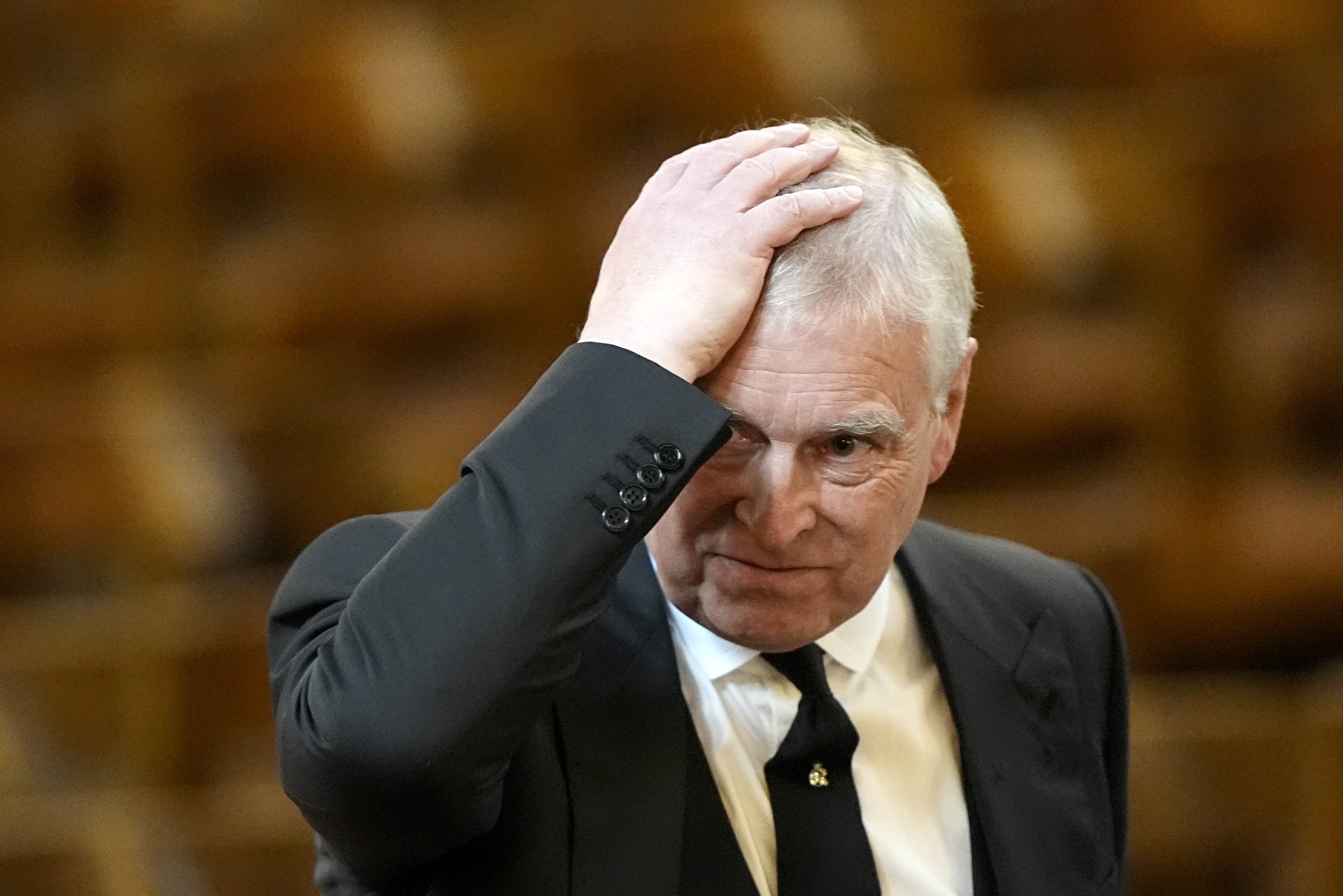
The arrest of Prince Andrew, formerly a prominent figure in the British Royal Family, on Thursday sent shockwaves across the UK and beyond. The charges stem from allegations that he shared confidential information with convicted sex offender Jeffrey Epstein, a scandal that has dogged the royal for years. This unprecedented event raises crucial questions about the reach of power, accountability for abuse, and the long, often arduous, path to justice.
Royal Ties and Confidential Information
The arrest marks a significant turning point in the ongoing saga surrounding Prince Andrew’s relationship with Epstein. The latest revelations from the Epstein files reportedly show the prince, while serving as a British trade envoy, allegedly forwarded confidential emails to Epstein. The nature of this information and the potential implications for national security or economic interests are currently under investigation. This arrest underscores the potential abuse of power inherent in positions of privilege and influence. The fact that someone with access to sensitive information allegedly shared it with a known criminal raises serious concerns about vetting processes and the ethical responsibilities of public figures.
Stripped of Titles, Facing the Music
The scandal surrounding Prince Andrew and his association with Epstein has already led to significant consequences. He was stripped of his royal titles last year amidst mounting public pressure and accusations of sexual assault. However, this arrest signifies a new level of accountability. It demonstrates that even those who have enjoyed positions of immense power and privilege are not above the law. The arrest is unprecedented in the UK, marking the first time the brother of a reigning monarch has been arrested. This highlights the seriousness of the allegations and the commitment to pursuing justice, regardless of social standing.
What Does This Mean for the Monarchy?
The arrest of Prince Andrew undoubtedly casts a shadow over the British monarchy. While King Charles III has reportedly described the situation as one requiring “full, fair, and proper” handling, the scandal is likely to further erode public trust in the institution. The case serves as a potent reminder of the need for transparency and accountability within positions of power. It also raises questions about the monarchy’s ability to adapt to changing social norms and expectations regarding ethical conduct.
Conclusion
The arrest of Prince Andrew is more than just a legal matter; it’s a reflection of broader societal concerns about power, abuse, and the pursuit of justice. Whether this arrest will lead to further investigations and prosecutions remains to be seen. However, it serves as a stark warning that even those who seemingly operate above the law can be held accountable for their actions, albeit sometimes after a long and painful delay. This case will undoubtedly continue to unfold, shaping public discourse and potentially impacting the future of the British monarchy.
Based on materials: Vox