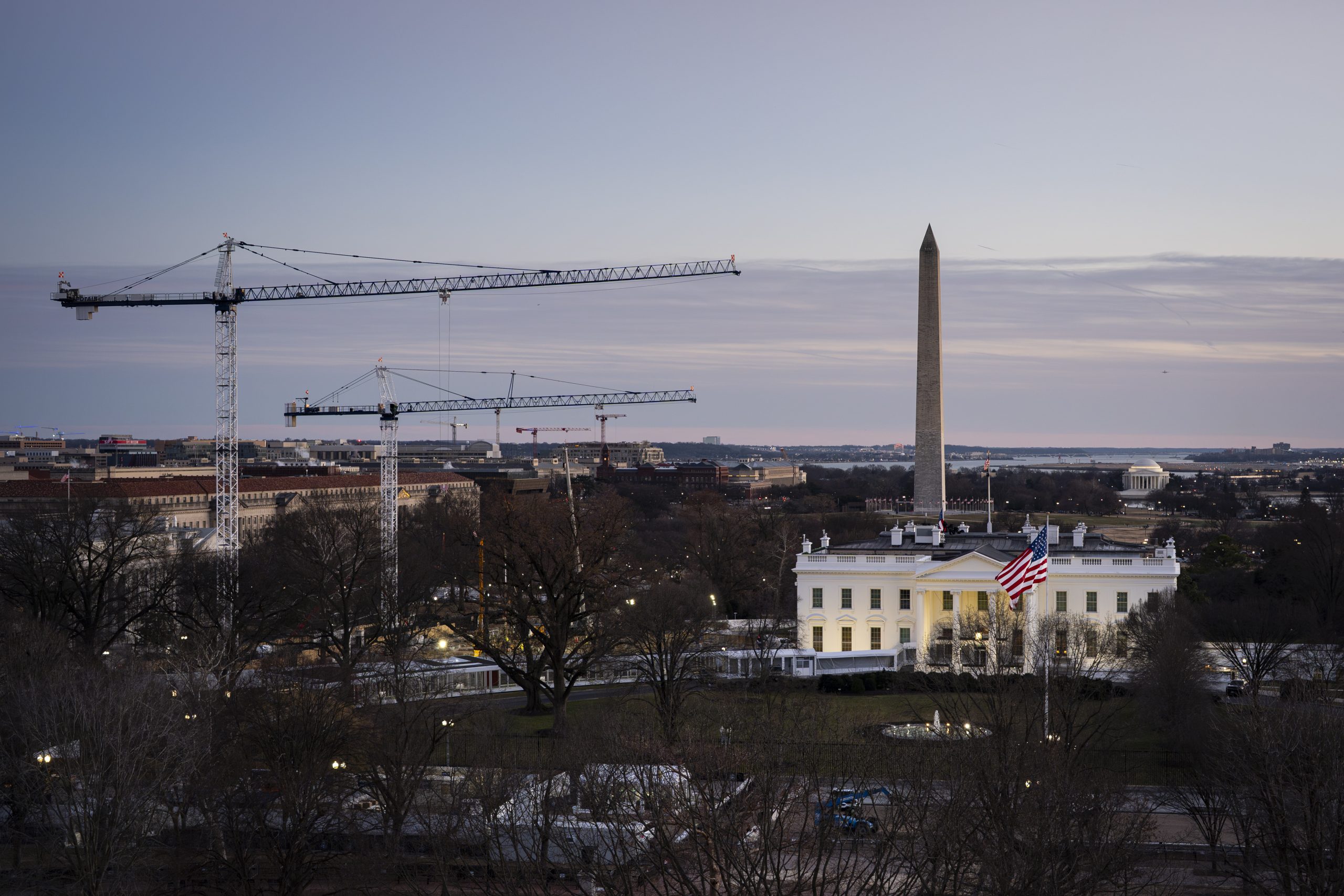
Trump’s White House Ballroom: Critics Cry Foul Over Approval
President Donald Trump’s ambitious plan to construct a grand ballroom on the White House grounds is moving forward, but not without raising eyebrows and sparking accusations of political maneuvering. The project, intended to replace the demolished East Wing, has secured a crucial approval from the Commission of Fine Arts, a body that holds significant sway over construction projects in the nation’s capital. However, the circumstances surrounding the vote have ignited a firestorm of controversy.
Swift Approval Followed Appointment of White House Aide
The Commission of Fine Arts voted unanimously to approve Trump’s ballroom proposal. What makes this approval particularly contentious is the timing. Just hours before the vote, Chamberlain Harris, a current White House aide with no prior architectural experience, was appointed as the newest member of the commission. Critics argue that this appointment was a calculated move by the Trump administration to ensure the ballroom project received a favorable outcome. The speed with which Harris was appointed and subsequently participated in the vote has fueled suspicions that the commission’s independence has been compromised.
Questions of Influence and Impartiality
The swift approval of the ballroom project, coupled with the appointment of a White House aide to the Commission of Fine Arts, raises serious questions about the impartiality of the approval process. While the Trump administration may argue that Harris is a qualified individual, her direct connection to the White House inevitably casts a shadow over her objectivity. Critics worry that this sets a dangerous precedent, potentially paving the way for future administrations to exert undue influence over independent regulatory bodies. The National Capital Planning Commission is now the next hurdle for the White House to clear.
A Legacy Project Amidst Controversy
President Trump’s desire to leave a lasting mark on the White House is understandable. However, the controversy surrounding the ballroom project threatens to overshadow any potential architectural or historical significance. The perception that the approval process was manipulated to favor the president’s personal preferences undermines public trust and fuels the narrative of a White House willing to bend the rules to achieve its objectives. As the project moves forward, it is crucial that the National Capital Planning Commission exercise its oversight responsibilities with utmost transparency and impartiality to restore confidence in the integrity of the process.
Based on materials: Vox