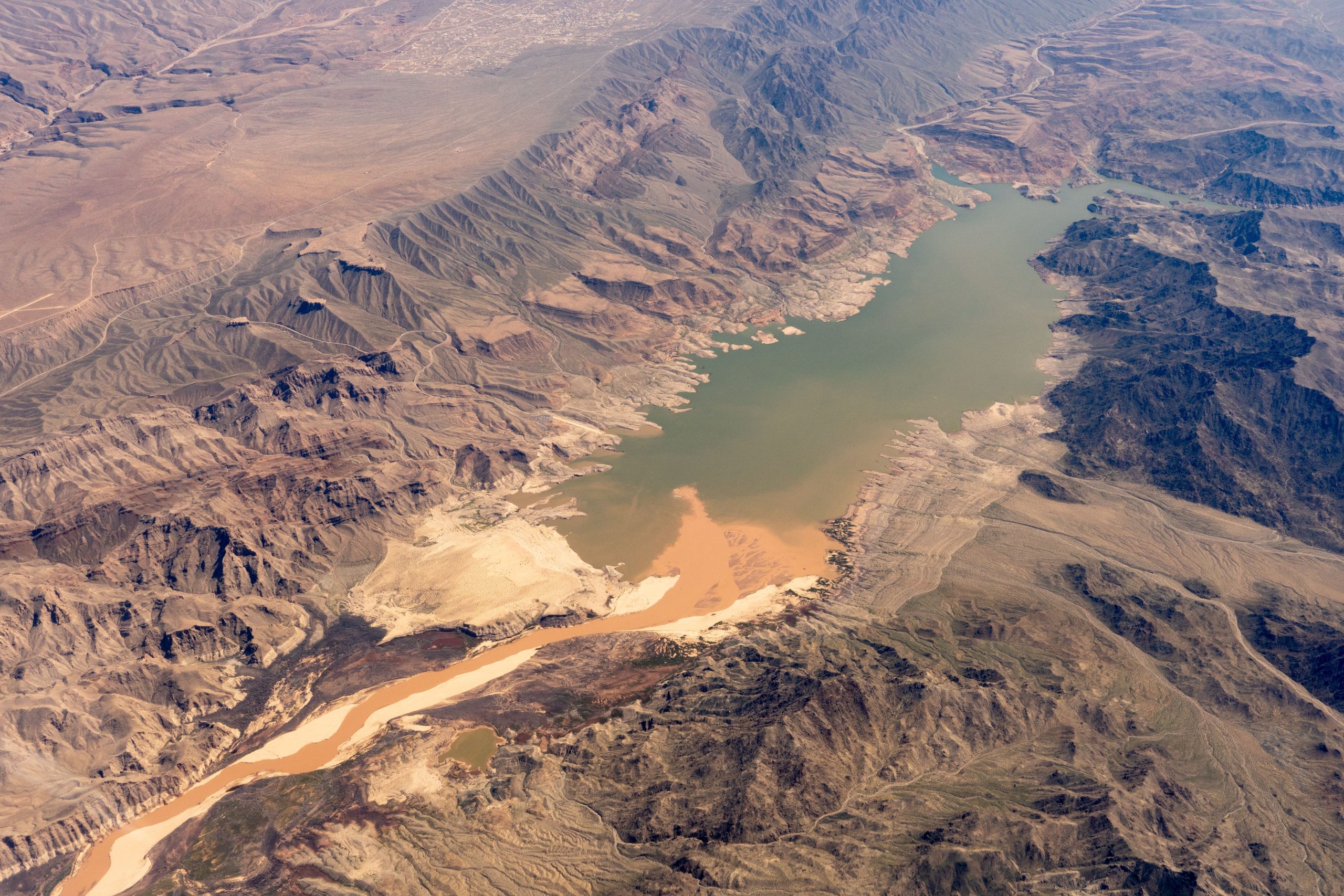
Colorado River Crisis: West Faces a Dry Future
The American West is facing a severe water crisis, with the Colorado River, a lifeline for over 40 million people, dwindling at an alarming rate. Decades of drought, coupled with increasing demand, have pushed the river to its limits, sparking fierce debates over water allocation among the seven states that depend on it. The stakes are high, and the future of the region hinges on finding sustainable solutions.
A River Under Pressure
The Colorado River Compact, an agreement among California, Arizona, Colorado, Utah, Nevada, New Mexico, and Wyoming, governs the distribution of the river’s water. However, the agreement, forged in a wetter era, now struggles to cope with the realities of a hotter, drier climate. Each year, approximately 1.9 trillion gallons of water are drawn from the river, supporting agriculture, industry, and domestic use across the region.
The situation has been exacerbated by record-low snowfall this past winter, a crucial source of replenishment for the river. Lake Mead and Lake Powell, the two largest reservoirs on the Colorado River, are at historically low levels, triggering mandatory water cuts for some states. The failure of the Colorado River Compact states to reach a consensus on further reductions has only intensified the crisis.
The Human Cost of Scarcity
The water shortage is not just an environmental issue; it is a human one. The Colorado River sustains major cities like Los Angeles, Phoenix, and Denver, as well as vast agricultural lands that produce a significant portion of the nation’s food supply. Reduced water availability threatens these communities and industries, potentially leading to economic hardship and social unrest.
Moreover, over 20 tribal nations rely on the Colorado River for their livelihoods and cultural survival. These communities, often marginalized in water negotiations, face disproportionate impacts from the drought. Protecting their water rights and ensuring their participation in decision-making is essential for achieving a just and equitable solution.
Looking Ahead: A Call for Collaboration
The Colorado River crisis demands urgent action. The states, the federal government, and tribal nations must come together to forge a new path forward. This requires embracing innovative water management strategies, such as improving irrigation efficiency, promoting water conservation, and investing in alternative water sources like desalination and recycled water. It also requires a fundamental shift in mindset, recognizing that water is a finite resource that must be shared responsibly. Only through collaboration and a commitment to sustainability can the American West ensure a water-secure future.
Based on materials: Vox