Supreme Court Throws Wrench in Trump-Era Tariffs, Potentially Saving Consumers
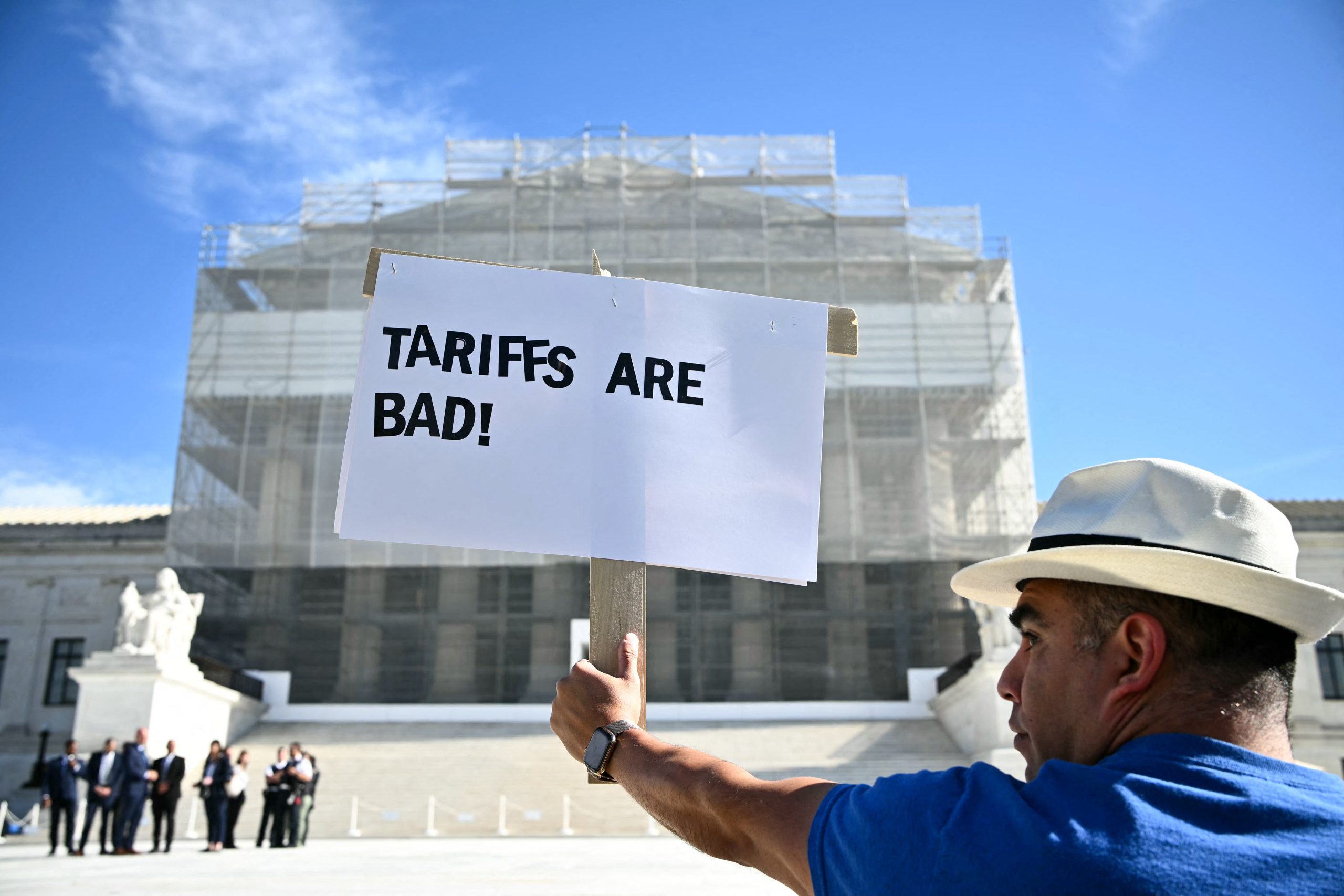
In a landmark 6-3 decision, the Supreme Court has significantly curtailed the power of the executive branch to unilaterally impose tariffs, potentially rolling back key aspects of former President Donald Trump’s trade agenda. The ruling, delivered Friday, centers on the constitutionality of tariffs enacted under a controversial interpretation of the International Emergency Economic Powers Act (IEEPA). This decision could translate to tangible financial relief for American consumers who have borne the brunt of increased import costs.
IEEPA Interpretation Deemed Unconstitutional
At the heart of the matter lies the IEEPA, a law designed to grant the president the authority to “regulate” financial transactions during times of national emergency triggered by “unusual and extraordinary” threats. The Trump administration had argued that America’s trade deficit constituted such a threat, justifying the imposition of tariffs on numerous countries. This expansive interpretation was widely contested by economists and legal experts, who argued that a trade deficit, while potentially problematic, did not meet the threshold of a national emergency warranting presidential action without explicit Congressional approval. The Supreme Court sided with this dissenting view, effectively limiting the scope of presidential power in trade policy.
Impact on Consumers and the Economy
The implications of this ruling are far-reaching. Trump-era tariffs, primarily targeting goods from China, have been passed on to consumers in the form of higher prices for everyday items. Economists estimate the average American family could save up to $1,000 annually if these tariffs are rolled back. Beyond direct consumer savings, the decision could also ease inflationary pressures and boost economic growth by reducing the cost of imported components for businesses.
However, the ruling is not without its complexities. Removing the tariffs could reignite trade tensions with China, and some argue that the tariffs were necessary to protect American industries from unfair competition. The Biden administration will now face the challenge of navigating these competing interests and determining the best path forward in the wake of the Supreme Court’s decision.
A Check on Executive Power
Ultimately, the Supreme Court’s decision serves as a crucial check on executive power, reaffirming the importance of Congressional oversight in matters of trade policy. It underscores the principle that while the president has a vital role to play in international trade, that role must be exercised within the bounds of the Constitution and with the consent of Congress. The ruling is a victory for those who advocate for a more balanced approach to trade, one that prioritizes both economic growth and the rule of law.
SOURCE: Vox
Based on materials: Vox