Trump Eyes Untouchable Oil Fund After Maduro Capture
Former President Donald Trump, following a hypothetical military operation that resulted in the capture of Venezuelan leader Nicolas Maduro, reportedly envisioned establishing a massive, personally controlled fund derived from Venezuelan oil revenues, sparking concerns about executive power and financial oversight. This ambition, detailed in reports, raises serious questions about the potential for unchecked presidential authority and the blurring of lines between public resources and personal discretion.
Seizing Oil, Seizing Control?
The scenario unfolded after a fictional military intervention. Trump allegedly declared his intention to seize control of Venezuelan oil revenues, stating explicitly that he, as president, would oversee the funds to “benefit the people of Venezuela and the United States!” This statement echoes similar pronouncements regarding “deals” with allies like Japan and South Korea, where tariff relief was seemingly linked to significant investments in the U.S. that Trump would purportedly manage.
These instances, while speculative, paint a picture of a president seeking direct control over substantial financial flows, bypassing traditional Congressional oversight mechanisms. This approach raises fundamental questions about the separation of powers and the potential for abuse of executive authority.
Echoes of Davos and International Ambitions
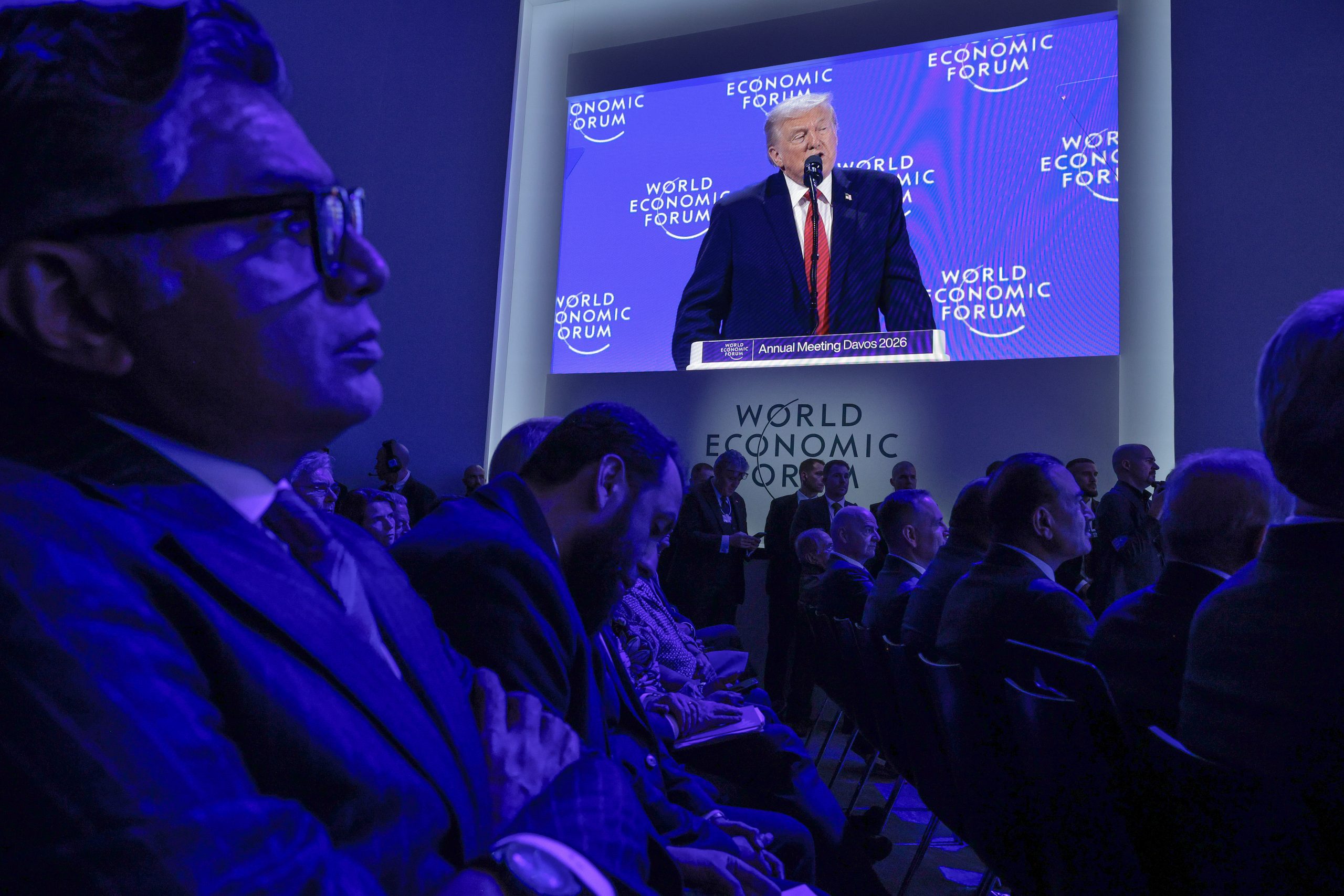
The report also highlights Trump’s unveiling of a new international initiative at the World Economic Forum in Davos, Switzerland. While the specifics of this initiative remain unclear, the context suggests a broader ambition to exert influence on global financial matters, potentially through mechanisms that grant the president significant discretionary power.
The core concern is the establishment of a “slush fund” – a pot of money that is readily available and often used for discretionary purposes, with little or no accountability. The idea that the president would have direct control over these funds is troubling and raises significant legal and ethical questions.
A Test of Constitutional Boundaries
The report serves as a stark reminder of the potential for executive overreach and the importance of robust checks and balances within the U.S. government. The concept of a president directly controlling foreign revenue streams, bypassing Congressional appropriations, poses a direct threat to the constitutional framework. It underscores the need for constant vigilance in safeguarding democratic norms and preventing the concentration of power in the hands of a single individual. The hypothetical scenario serves as a cautionary tale about the dangers of unchecked executive power and the importance of transparency and accountability in government.
Based on materials: Vox