Trump Tariff Era Ends: Supreme Court Delivers Unanimous Rebuke
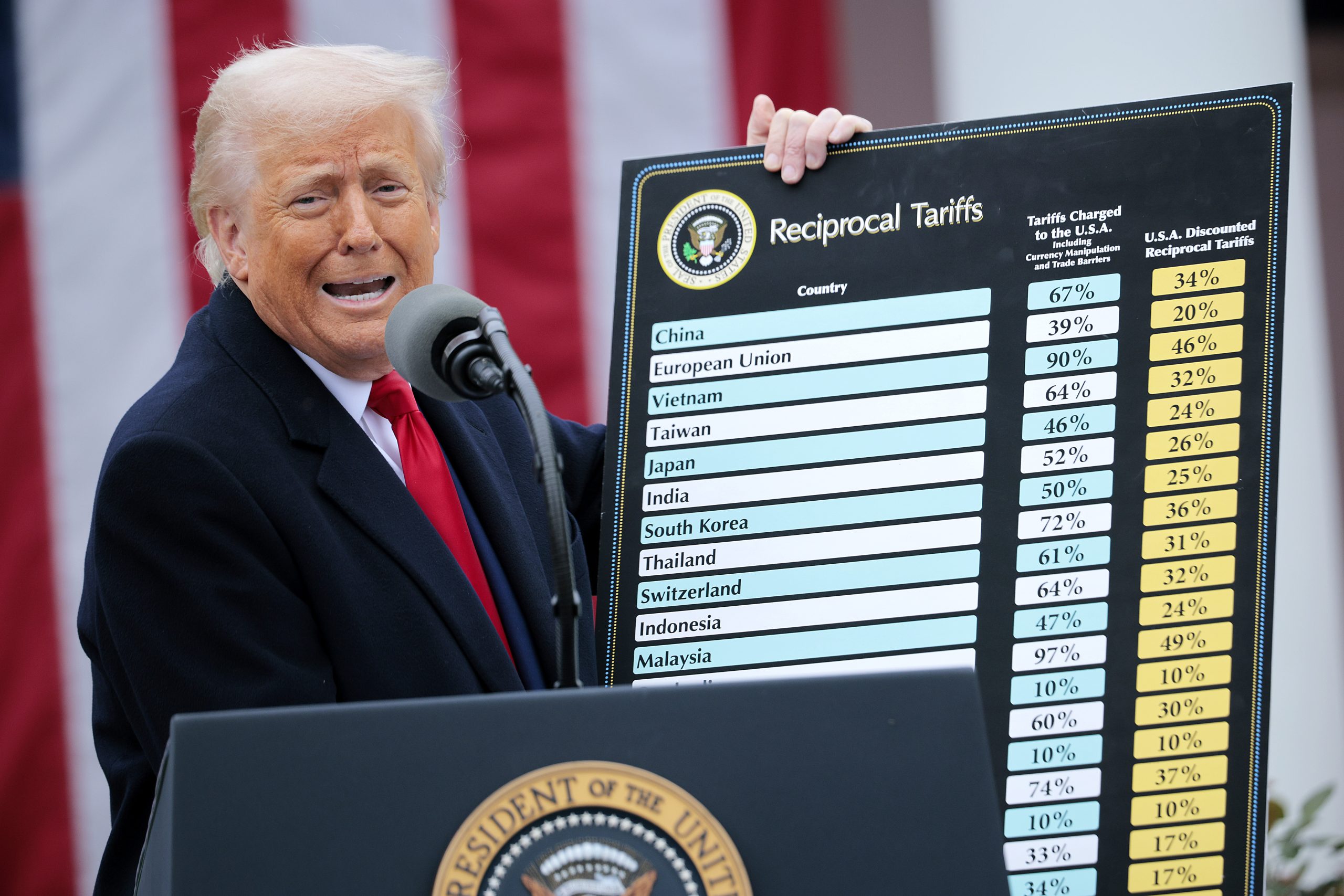
In a stunning rebuke to the former administration’s trade policies, the Supreme Court has struck down a wide range of tariffs imposed by President Donald Trump. The landmark decision in
Learning Resources v. Trump
, authored by Chief Justice John Roberts, marks a significant victory for businesses and consumers impacted by the tariffs, and raises crucial questions about the scope of presidential power in trade matters. The ruling underscores the judiciary’s role as a check on executive authority, even in areas traditionally considered within the president’s purview.
A Bipartisan (Almost) Rebuke
The court’s decision wasn’t just a simple partisan divide. While six justices agreed that the tariffs were illegal, the reasoning behind that conclusion exposed deeper ideological rifts. Roberts, joined by Republican Justices Neil Gorsuch and Amy Coney Barrett, alongside the Court’s three Democrats, found the tariffs unlawful. However, the Democratic justices strategically withheld their support from a crucial section of Roberts’ opinion. This section delved into a new legal doctrine that, according to some legal scholars, would consolidate power within the judiciary. By distancing themselves from this portion, the Democratic justices prevented the Court’s conservative wing from achieving a more sweeping legal victory. This tactical move highlights the complex interplay of law and politics within the Supreme Court.
What This Means for Trade and the Economy
The immediate impact of the ruling is the elimination of the contested tariffs, offering a potential respite for businesses that faced increased costs and supply chain disruptions. Whether this will lead to a decrease in consumer prices remains to be seen, as market dynamics are influenced by numerous factors beyond tariffs. However, the broader implications extend beyond economics. The Supreme Court’s decision sends a clear message that presidential power in trade matters is not unlimited and is subject to judicial review. This ruling could influence future trade negotiations and shape the legal landscape surrounding tariffs for years to come. The case underscores the importance of clearly defined legal authority when implementing trade policies, even when driven by national security or economic considerations.
A Check on Executive Power
The
Learning Resources v. Trump
decision serves as a potent reminder of the judiciary’s crucial role in safeguarding the balance of power within the U.S. government. By striking down the tariffs, the Supreme Court reaffirmed its commitment to upholding the law, even when challenging the actions of a former president. The case underscores the importance of judicial independence and the courts’ ability to serve as a check on executive overreach, regardless of political affiliation. This ruling solidifies the principle that no branch of government is above the law and that the Constitution provides a framework for holding power accountable.
SOURCE: Vox
Based on materials: Vox