Looksmaxxing: Decoding the Controversial Viral Trend
The internet is a breeding ground for niche subcultures, but occasionally, one breaks through the noise and enters the mainstream consciousness. “Looksmaxxing” is one such trend, recently catapulted into the spotlight thanks in part to a 20-year-old online personality known as Clavicular. But what exactly
is
looksmaxxing, and why is it generating so much buzz – and controversy?
What is Looksmaxxing?
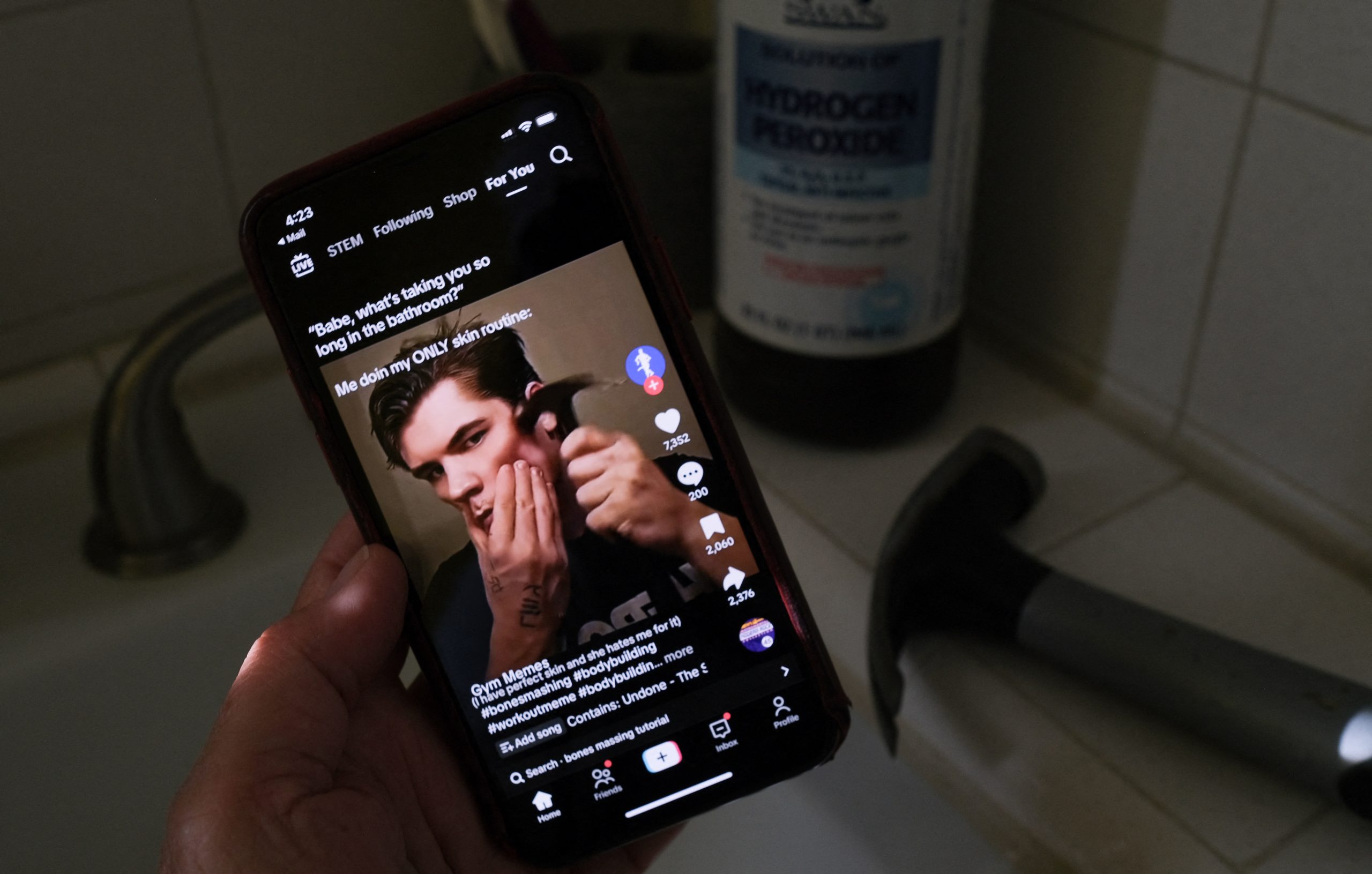
At its core, looksmaxxing is a community centered around improving one’s physical appearance to maximize perceived attractiveness. It’s a self-improvement strategy, but with a hyper-focused and often extreme approach to physical aesthetics. The philosophy, popularized on online forums and social media, advocates for a range of techniques, from basic skincare and fitness to more drastic measures like plastic surgery and even unproven, potentially dangerous “hacks.”
Controversy and Concerns
The looksmaxxing trend isn’t without its critics. Many argue that it promotes unrealistic beauty standards and can fuel body image issues, particularly among young men. The emphasis on achieving an “ideal” look can lead to obsessive behaviors and a distorted perception of self-worth.
Furthermore, the community has been associated with problematic figures. Clavicular, whose real name is Braden Peters, has been seen alongside controversial figures like Andrew Tate and white nationalist Nick Fuentes. The association of looksmaxxing with such figures raises concerns about the potential for the trend to be co-opted by extremist ideologies.
A Trend Reflecting Deeper Issues
The rise of looksmaxxing reflects broader societal pressures surrounding appearance and the pursuit of validation. The internet has amplified these pressures, creating echo chambers where individuals can become fixated on achieving a specific, often unattainable, standard of beauty.
While self-improvement is generally a positive endeavor, the looksmaxxing trend serves as a reminder of the potential dangers of obsessing over physical appearance. It highlights the need for critical thinking and a healthy perspective on beauty standards in the digital age.
Based on materials: Vox