The Amazon’s Steak Problem: Unpacking Food’s Environmental Cost
We strive for eco-friendly living, opting for clean energy and organic produce. Yet, even the greenest choices carry environmental footprints. Mining fuels renewable energy, organic farms use pesticides, and medical supplies generate plastic waste. But a recent analysis highlights one immediate action with significant planetary impact: reducing beef consumption.
While sacrificing a juicy burger may seem daunting, the data is compelling. A simple chart, backed by extensive research, reveals beef production as the leading driver of deforestation, particularly in vital rainforest ecosystems. This isn’t just about endangered wildlife; it’s about fueling climate change on a massive scale.
Why Beef is a Rainforest Wrecker
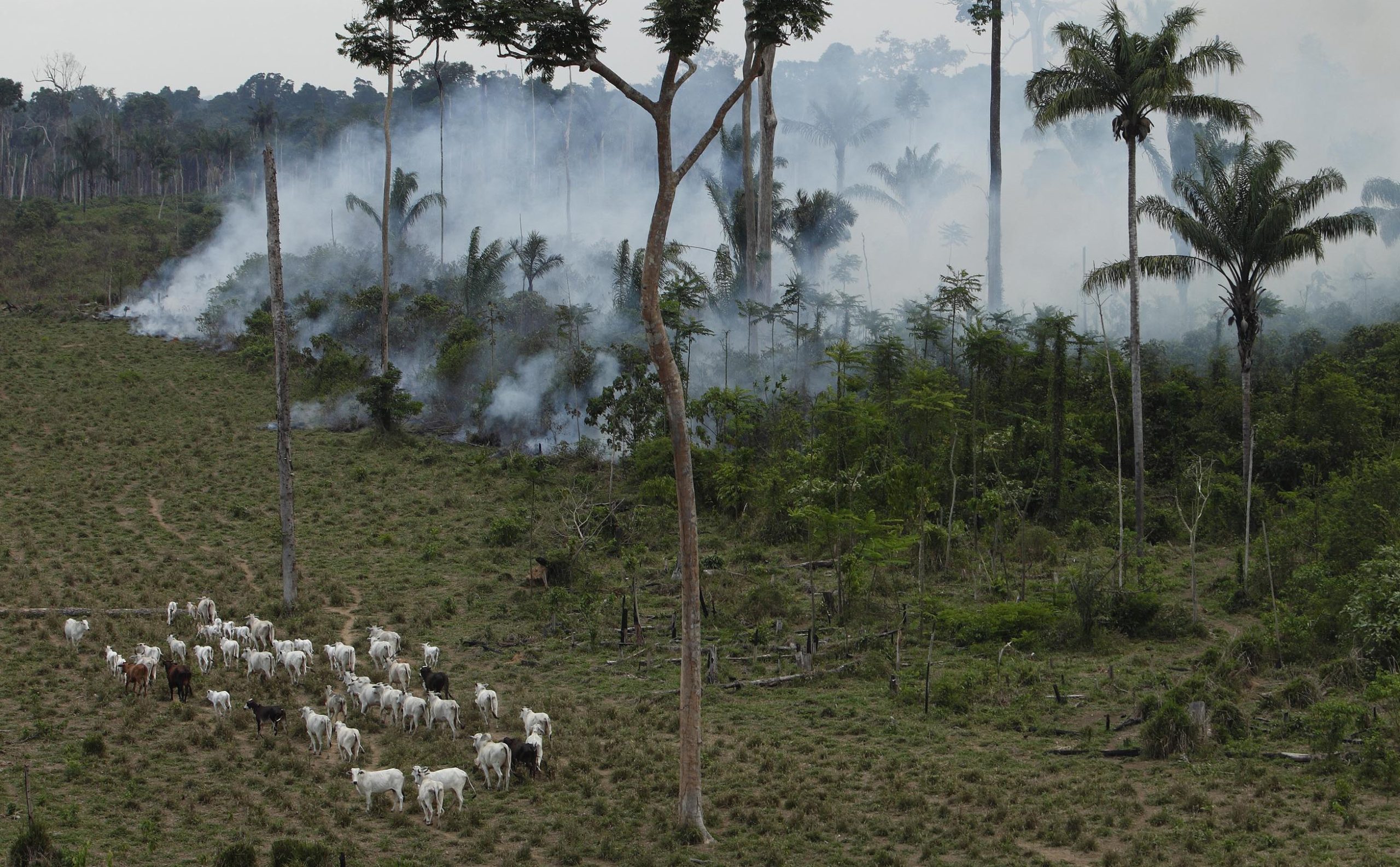
The link between beef and deforestation lies primarily in land use. Vast tracts of rainforest, particularly in the Amazon, are cleared to create grazing land for cattle. This destruction releases massive amounts of stored carbon into the atmosphere, accelerating global warming. The process also diminishes biodiversity, displacing countless species and disrupting delicate ecosystems.
Beyond deforestation, cattle farming contributes to climate change through methane emissions, a potent greenhouse gas produced during digestion. The sheer scale of global beef production amplifies these effects, making it a significant contributor to the climate crisis.
Beyond Beef: A Broader Perspective
It’s important to note that beef isn’t the only culprit. Other agricultural commodities like soy (often used as cattle feed), palm oil, and timber also contribute to deforestation. However, beef production consistently ranks as the most significant driver of rainforest destruction across various studies.
This doesn’t necessarily mean complete abstinence from beef, though that is the most impactful choice. Consumers can make more informed decisions by choosing sustainably raised beef, supporting companies committed to deforestation-free supply chains, and exploring plant-based alternatives.
A Call to Action
The chart serves as a stark reminder of the interconnectedness between our dietary choices and the health of the planet. While achieving a completely impact-free lifestyle may be unattainable, acknowledging the disproportionate environmental burden of beef production empowers us to make more sustainable choices. By reducing our beef consumption and supporting eco-conscious alternatives, we can collectively contribute to protecting vital rainforests and mitigating the impacts of climate change.
Based on materials: Vox