Immigration Fears Grip Communities, Echoing Pandemic Anxiety
A chilling sense of déjà vu is sweeping through immigrant communities across the United States. While the COVID-19 pandemic may be receding, a new wave of fear, fueled by increased immigration enforcement, is forcing families into hiding, disrupting lives, and mirroring the anxieties of the recent past. The effects of intensified ICE (Immigration and Customs Enforcement) activity are creating a climate of terror that impacts everything from employment to healthcare.
Echoes of Lockdown: Fear and Isolation
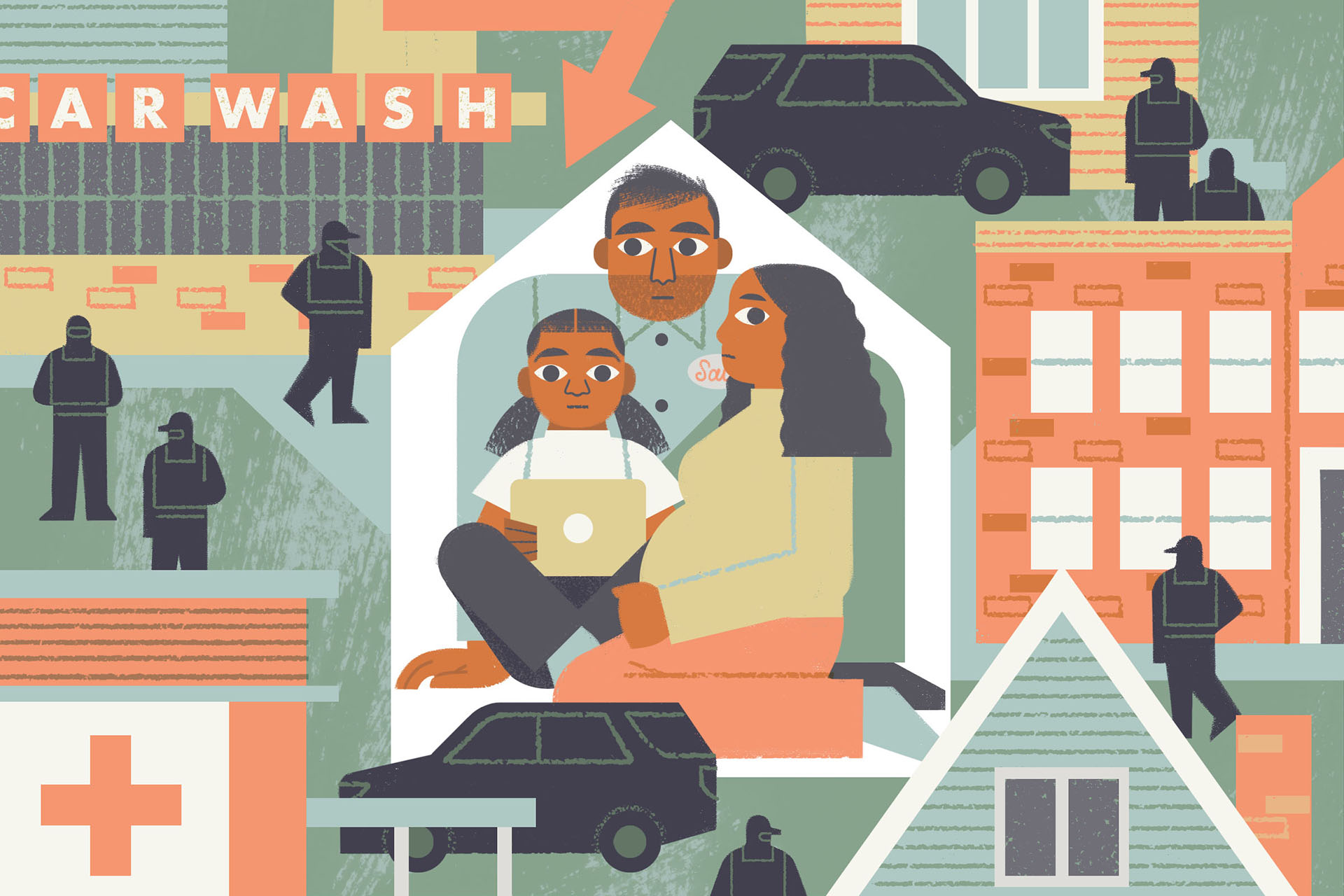
The scenes are hauntingly familiar. Families are sheltering in place, afraid to venture outside. Children are relegated to learning on screens, their classrooms replaced by the perceived safety of their homes. Pregnant women are forgoing essential medical appointments, weighing the risks of exposure against the perceived threat of deportation.
Flor Melendrez, executive director of the CLEAN Carwash Worker Center in Los Angeles, recounts how car wash workers are staying home due to repeated immigration raids. “Family members, they’re just asking them: stay home,” she said, encapsulating the pervasive feeling that venturing out is simply too dangerous. This self-imposed lockdown echoes the peak of the COVID-19 pandemic, highlighting the profound psychological impact of increased immigration enforcement.
Beyond the Headlines: The Human Cost
The fear extends far beyond just avoiding physical spaces. In Minneapolis, a doctor described an “eerie calm” gripping the community, a result of people altering their daily routines to minimize potential encounters with ICE. This constant state of alert takes a significant toll on mental health, particularly for children who struggle to understand the reasons behind their families’ anxieties.
The situation also places immense pressure on community resources. Advocates and organizations are stretched thin, providing legal aid, emotional support, and basic necessities to families struggling to cope. The impact is felt most acutely by those already vulnerable, exacerbating existing inequalities and further marginalizing immigrant communities.
A Crisis of Confidence
The current climate erodes trust in institutions and public spaces, leaving many feeling isolated and unprotected. This breakdown of confidence has long-term consequences, hindering access to essential services and undermining community cohesion. Rebuilding that trust will require a multifaceted approach, involving policy changes, increased transparency, and a commitment to humane immigration practices. The parallels with the COVID-19 pandemic are stark, reminding us that fear, whether driven by a virus or by policy, can have devastating and far-reaching effects.
Based on materials: Vox