Brazil’s Insurrection: A Lesson for US Democracy?
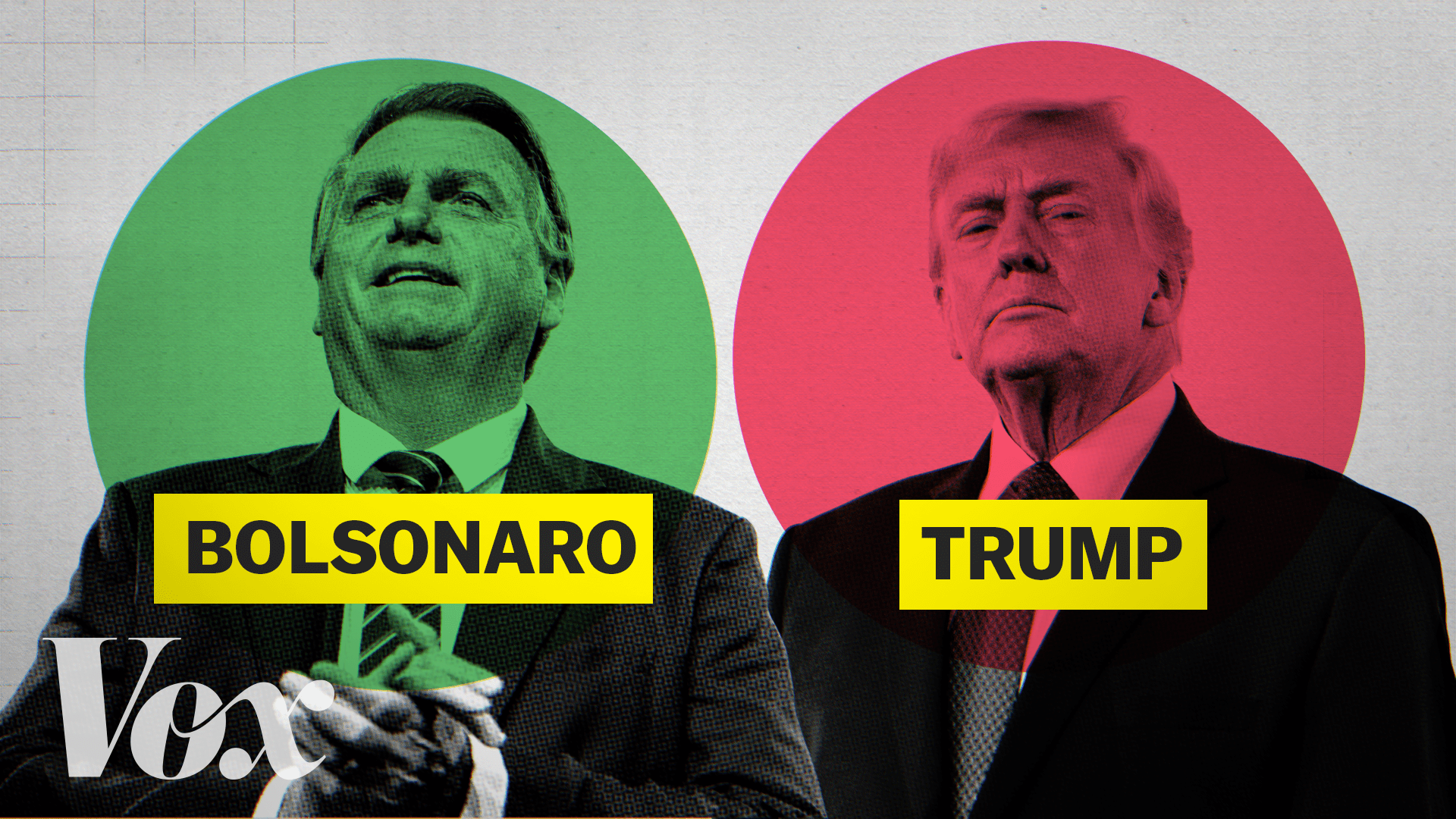
Echoes of January 6th, 2021, reverberated across the globe on January 8th, 2023, when a mob of Jair Bolsonaro supporters stormed Brazil’s federal buildings in Brasilia. Driven by unsubstantiated claims of a rigged election, their aim was clear: to overturn the democratic process and reinstate their leader. But the similarities between the two insurrections end there. While Donald Trump is back in the Oval Office, Bolsonaro is serving a 27-year sentence. How did two nations facing seemingly parallel threats arrive at such divergent destinations?
A Tale of Two Democracies: Accountability in Action
The stark contrast in outcomes highlights critical differences in the resilience of democratic institutions and the mechanisms for accountability. In Brazil, the response to the insurrection was swift and decisive. Bolsonaro was held accountable for inciting violence and undermining the democratic process, ultimately facing a lengthy prison sentence. Brazil’s justice system demonstrated a commitment to upholding the rule of law, sending a clear message that attempts to subvert democracy would not be tolerated.
Lessons for the United States
The contrasting fates of Trump and Bolsonaro offer a stark lesson for the United States. While the US legal system has pursued various investigations and legal challenges related to the January 6th attack and Trump’s conduct, the outcomes have been less conclusive. This raises questions about the effectiveness of the US system in holding leaders accountable for actions that undermine democratic norms. The Brazilian example underscores the importance of a robust and independent judiciary, as well as a political culture that prioritizes the preservation of democratic institutions above partisan loyalties.
Beyond the Surface: A Deeper Dive
The differences in outcome extend beyond legal proceedings. Brazil’s political and social context differs significantly from that of the United States. Factors such as Brazil’s history of military dictatorships, its unique political culture, and the specific dynamics of its legal system all contribute to the distinct responses to the two insurrections. Understanding these nuances is crucial for drawing meaningful comparisons and extracting valuable lessons.
Conclusion: Safeguarding Democracy
The events in Brazil serve as a potent reminder of the fragility of democracy and the ever-present threat of political extremism. While the United States may not face the exact same challenges as Brazil, the need for vigilance and a steadfast commitment to democratic principles remains paramount. By learning from the experiences of other nations, including both their successes and failures, the United States can strengthen its own institutions and safeguard its democracy for future generations.
Based on materials: Vox