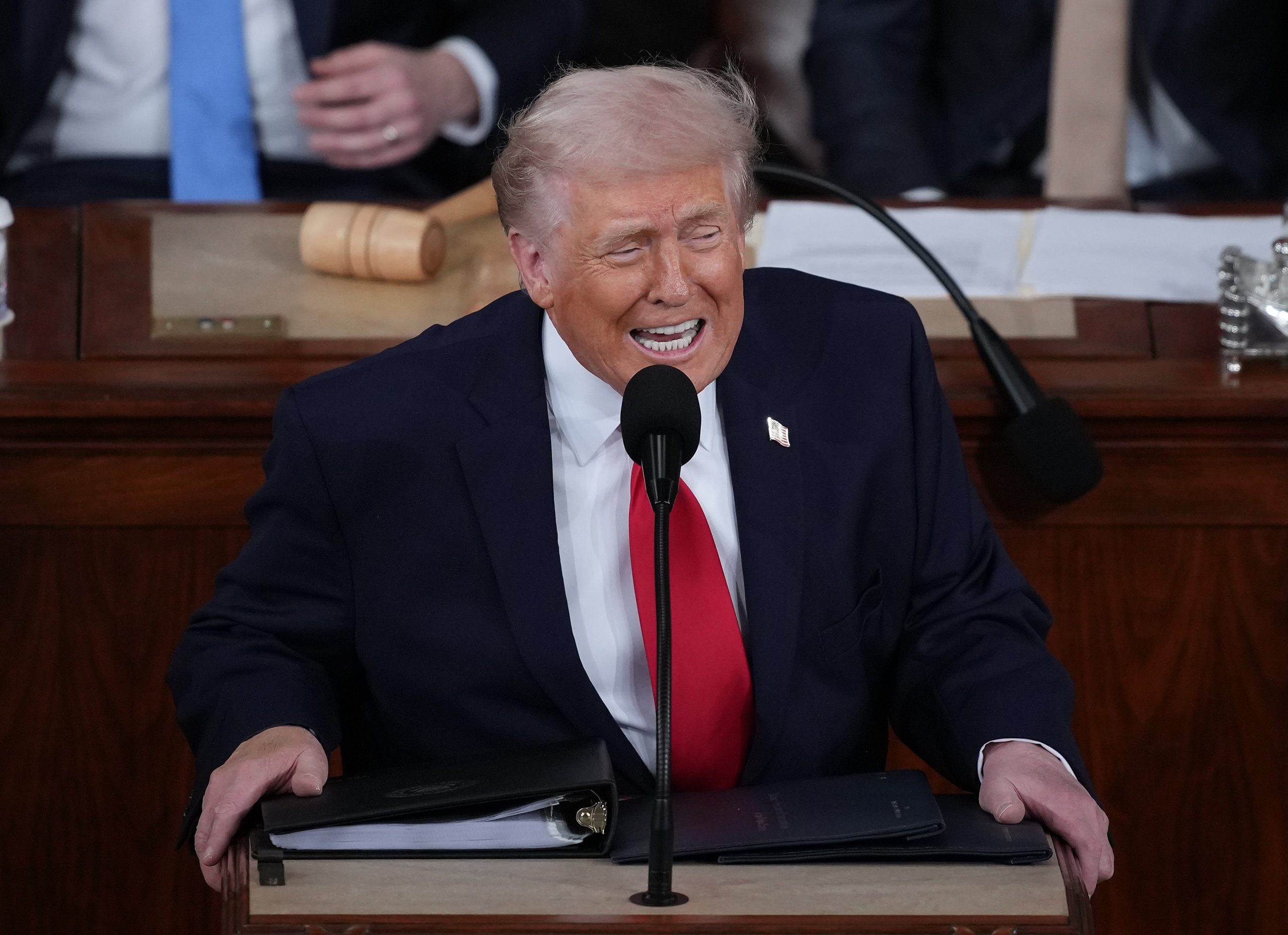
Trump’s SOTU: Accusations of Cheating Mark Divisive Strategy
In a State of the Union address that stretched the limits of presidential oratory, Donald Trump delivered a speech that, while lengthy, hinged on a single, potent accusation: that Democrats, in their opposition to the SAVE Act, were actively seeking to “cheat” in elections. This pointed remark, delivered during a discussion of the Republican bill aimed at preventing non-citizen voting, arguably encapsulates the core strategy of his presidency: portraying political opponents as not just wrong, but fundamentally illegitimate.
The “Cheating” Claim: A Calculated Move
Trump’s assertion that the Democrats’ policies are so unpopular that “the only way they can get elected is to cheat” is a significant escalation of political rhetoric. By framing disagreement as dishonesty, he casts a shadow of doubt over the very foundation of the democratic process. This isn’t simply a policy dispute; it’s an attack on the integrity of the opposition and, by extension, the legitimacy of any electoral outcome that doesn’t favor his party.
The SAVE Act, which Trump referenced, is designed to combat the largely unfounded claim of widespread non-citizen voting. While proponents argue it’s a necessary measure to protect election integrity, critics view it as a thinly veiled attempt at voter suppression, particularly targeting minority communities. Trump’s rhetoric, therefore, reinforces this narrative, painting Democrats as actively enabling electoral fraud to gain power.
Echoes of a Familiar Playbook
This tactic is not new for Trump. Throughout his political career, he has consistently questioned the legitimacy of elections, most notably after his 2020 defeat. By preemptively framing any potential loss as the result of fraud, he lays the groundwork to delegitimize unfavorable outcomes and rally his base around the idea that they are victims of a rigged system.
This strategy carries significant risks. Undermining faith in democratic institutions can erode public trust and fuel political polarization. It can also incite anger and resentment among supporters who believe their voices are being silenced by a corrupt system.
A Divisive Path Forward
Trump’s State of the Union address, punctuated by the accusation of electoral cheating, reveals a continued commitment to a divisive political strategy. By portraying his opponents as dishonest and illegitimate, he seeks to galvanize his base and consolidate his power. However, this approach carries significant risks for the health of American democracy, potentially further deepening the divides that already plague the nation. Whether this strategy will ultimately prove successful remains to be seen, but its potential consequences for the future of American politics are undeniable.
Based on materials: Vox