USDA Proposal: Faster Slaughter Lines, Higher Worker Risk?
A recent proposal by the U.S. Department of Agriculture (USDA) to accelerate slaughter line speeds in poultry and pork processing plants is generating significant controversy. While proponents argue it will increase efficiency, critics warn of potentially devastating consequences for worker safety and animal welfare. The proposed rule changes, if enacted, would allow participating slaughterhouses to process chickens, turkeys, and pigs at significantly faster rates. This move has ignited a debate about the balance between industry productivity and the well-being of the workforce and the animals involved.
The Need for Speed? Or a Race to the Bottom?
The USDA’s proposal centers on increasing kill line speeds in slaughterhouses operating under specific inspection systems. For chicken processing plants, the speed could jump from 140 birds per minute to a staggering 175. Turkey plants could see an increase from 55 to 60 birds per minute. While pig slaughterhouses technically wouldn’t have their hourly limit increased, critics argue the current limit of 1,106 pigs per hour is already dangerously high.
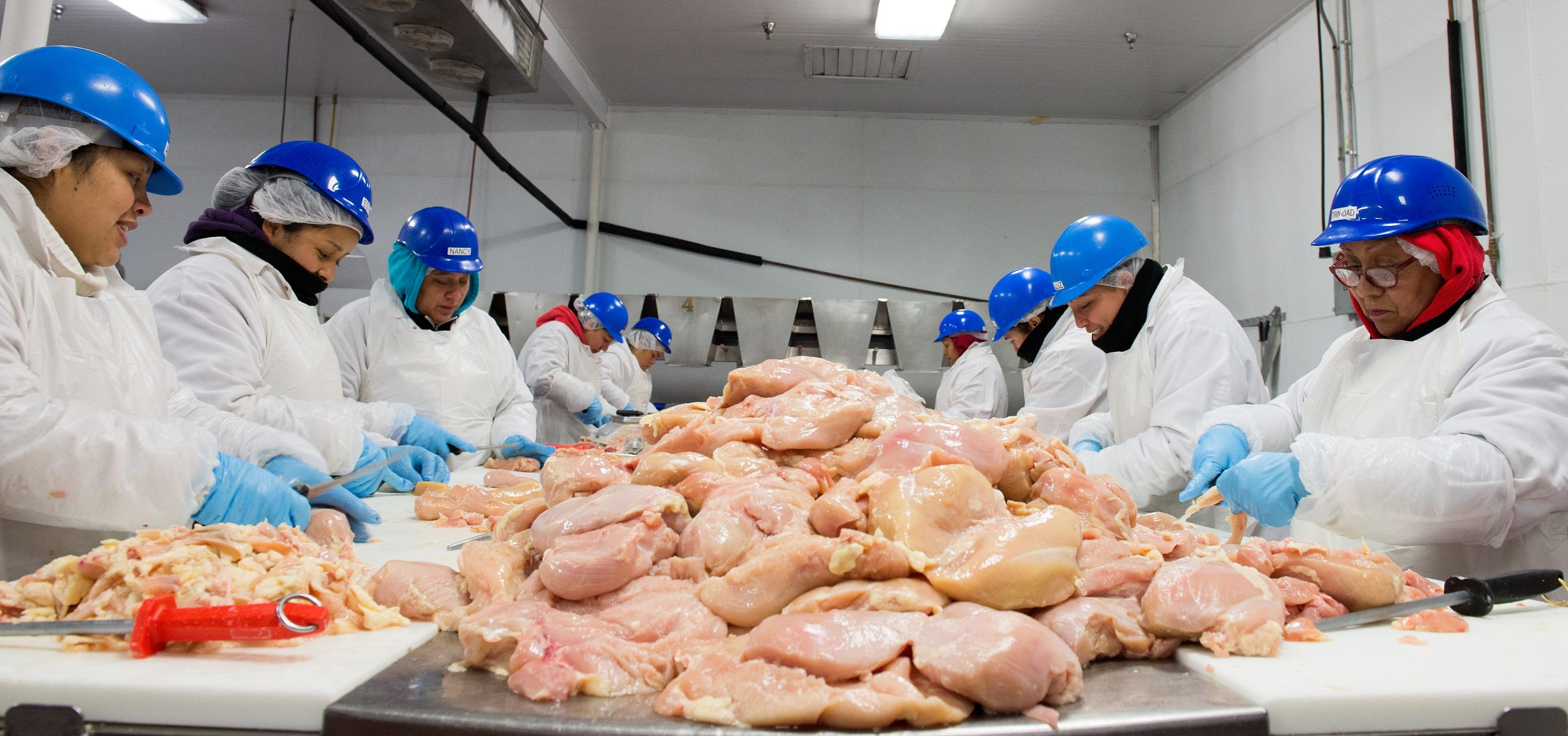
The USDA contends that these changes will modernize the meat processing industry, leading to increased efficiency and potentially lower consumer prices. However, labor advocates and food safety organizations are raising serious concerns. They argue that pushing workers to process animals at even greater speeds will inevitably lead to more injuries, particularly repetitive stress injuries and lacerations, in an industry already known for its high injury rates.
A Question of Prioritization: Profits vs. People?
The debate surrounding this proposal highlights a fundamental tension between economic imperatives and ethical considerations. Opponents of the rule change point to the already hazardous working conditions in meat processing plants. Workers often face long hours, physically demanding tasks, and exposure to dangerous equipment. Speeding up the lines, they argue, will only exacerbate these issues, putting workers at greater risk of injury and illness.
Furthermore, critics suggest that faster line speeds could also compromise food safety standards and animal welfare. With less time to properly inspect and handle each animal, the risk of contamination and inhumane treatment could increase. The potential consequences of these increased risks could be significant, impacting public health and eroding consumer trust in the meat processing industry. The long-term implications of this decision reach far beyond the immediate concerns of increased productivity; they strike at the heart of how we value worker safety, animal welfare, and food safety within our society.
Conclusion: A Call for Careful Consideration
The USDA’s proposal to accelerate slaughter line speeds is a complex issue with far-reaching implications. While the promise of increased efficiency and lower costs may be appealing, policymakers must carefully consider the potential human and ethical costs. A thorough and transparent evaluation of the potential impacts on worker safety, food safety, and animal welfare is essential before any final decision is made. The well-being of workers, the safety of our food supply, and the ethical treatment of animals should not be sacrificed on the altar of increased profits.
Based on materials: Vox