Can US Democracy Rise Again? History Offers Hope
The current political climate in the United States feels, for many, like a perpetual state of crisis. With deep partisan divides, institutional distrust, and significant societal challenges, it’s easy to fall into despair about the future of American democracy. But history offers a different perspective: one of resilience, adaptation, and the potential for profound change.
Echoes of the Past: Reform as a Constant
The notion that American democracy is somehow fixed or immutable is a fallacy. Throughout its history, the nation has undergone dramatic periods of reform, often in response to crises that seemed insurmountable. From the Civil War and the New Deal to the Civil Rights Movement, moments of intense upheaval have ultimately led to significant shifts in the political landscape and the expansion of democratic ideals. While the present may feel frozen, history reminds us that change is the only constant. The gridlock and polarization we see today are not permanent features, but rather symptoms of underlying pressures building beneath the surface.
Forces of Change: A Perfect Storm?
Several factors are converging to create a breeding ground for potential reform. Institutional distrust is at historic lows, fueled by perceived corruption and political dysfunction. Economic dislocation, exacerbated by automation and globalization, is leaving many behind. The rise of artificial intelligence is transforming the nature of work, creating both opportunities and anxieties. And a younger generation faces unprecedented challenges in accessing housing, economic security, and political influence. These pressures are not being adequately addressed by the existing political parties, which remain locked in outdated ideological battles. This creates a volatile situation, where the potential for a significant break from the status quo grows stronger each day.
Building Anew: Seeds of Reform Already Sown
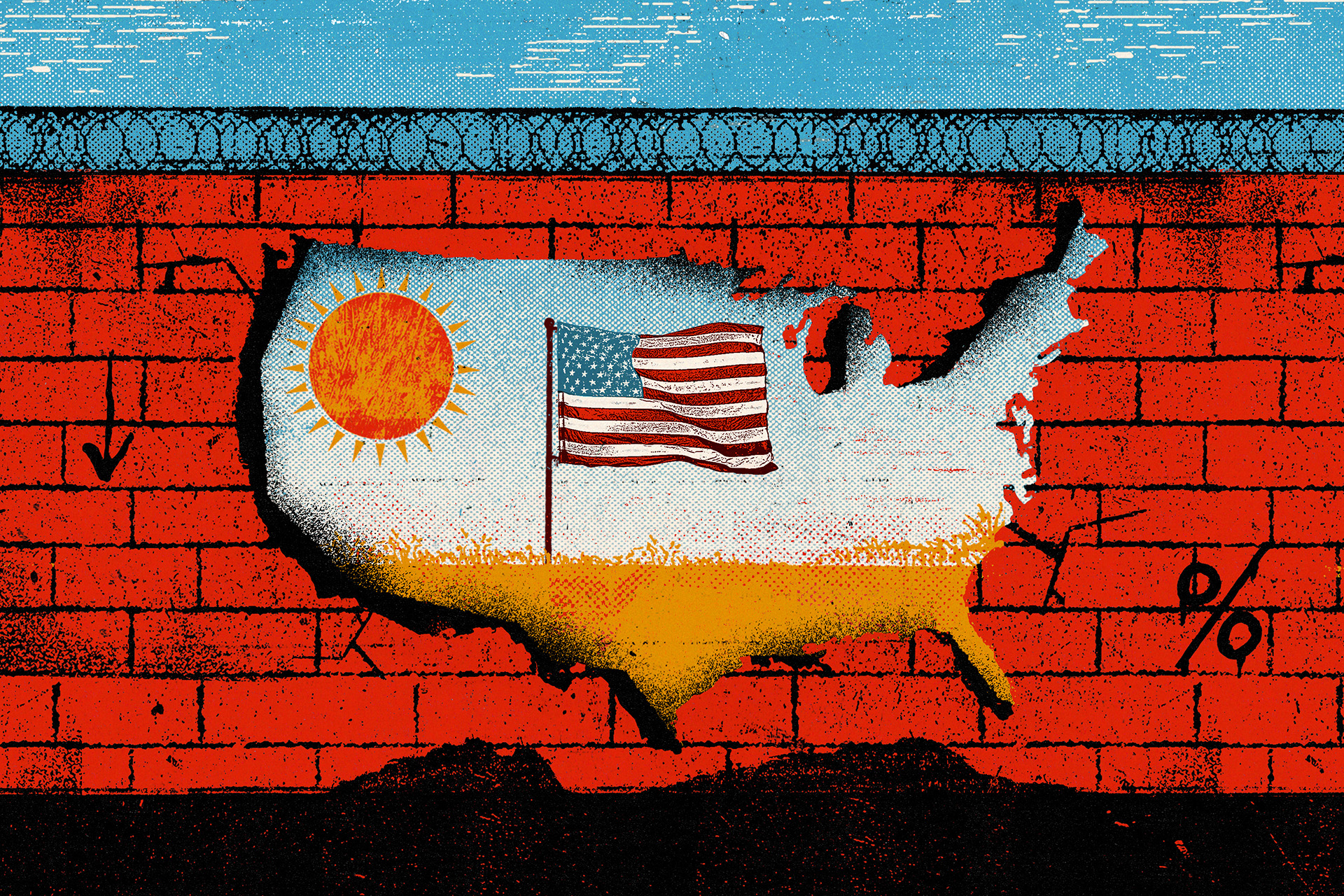
While the national political stage may seem paralyzed, change is already happening at the local and grassroots levels. A new generation of leaders and activists are emerging, focused on addressing the systemic issues that plague our society. These individuals and groups are experimenting with innovative solutions, building coalitions across traditional divides, and advocating for policies that prioritize the needs of ordinary people. The future of American democracy may not lie in grand, top-down reforms, but rather in the aggregation of these smaller, more localized efforts. These “cracks” in the system could be the very pathways through which something new and more equitable emerges.
In conclusion, while the challenges facing American democracy are significant, they are not insurmountable. History teaches us that periods of crisis can also be catalysts for reform. By understanding the forces driving change and supporting the efforts of those working to build a more just and inclusive society, we can create a future where American democracy lives up to its ideals. The key is to recognize that the future is not predetermined but is actively being shaped by the actions we take today.
Based on materials: Vox