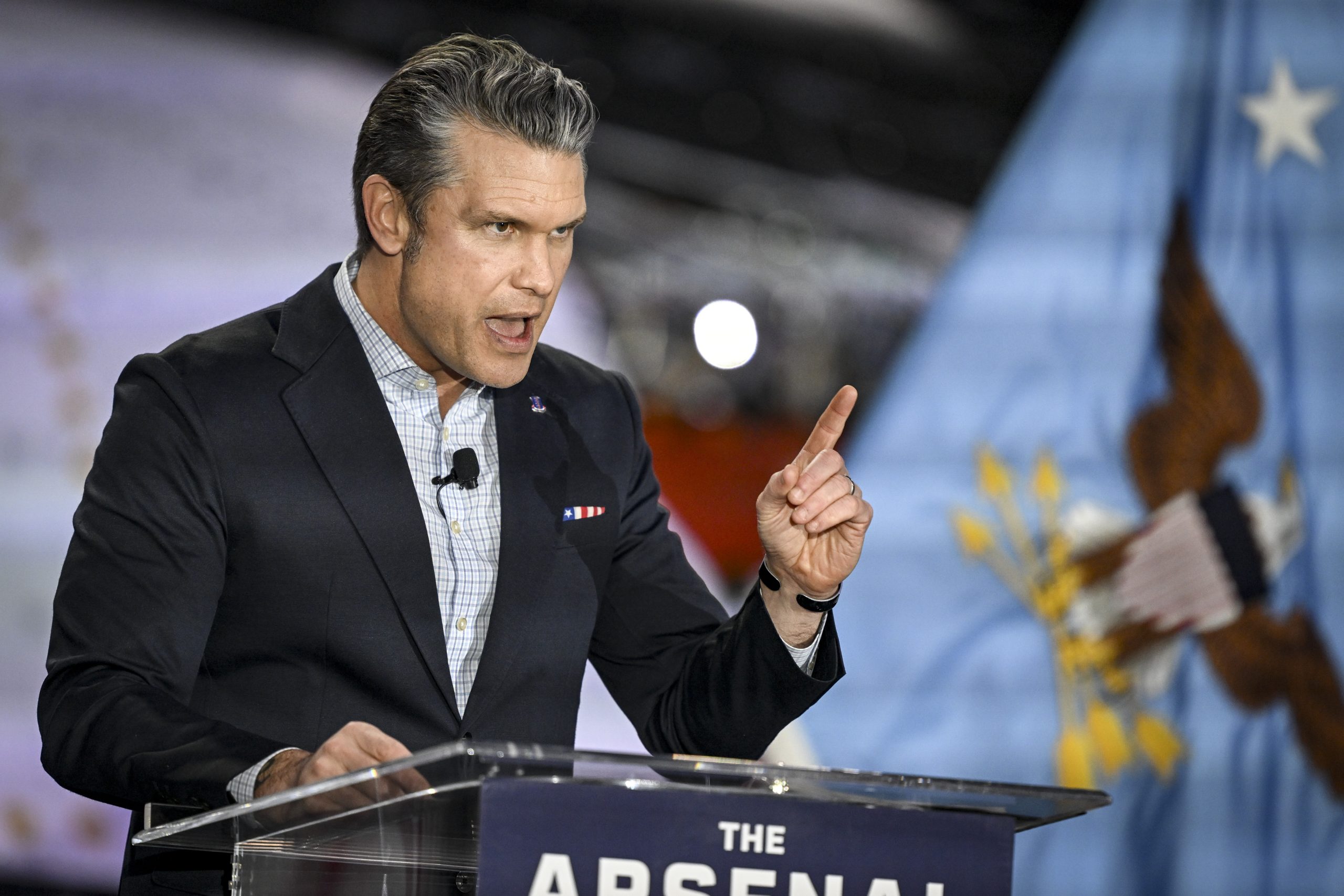
The U.S. military’s pursuit of artificial intelligence dominance has ignited a fiery clash with AI firm Anthropic, setting the stage for a high-stakes showdown that could reshape the future of AI ethics and government oversight. Secretary of War Pete Hegseth has issued a firm ultimatum to Anthropic, demanding unrestricted access to their AI technology or facing potentially devastating consequences. This confrontation, reminiscent of Hollywood’s most dramatic standoffs, highlights the growing tension between national security interests and the ethical considerations surrounding advanced AI.
The Ultimatum: Unfettered Access or Existential Threat
Hegseth’s demand for complete access to Anthropic’s AI stems from the military’s desire to leverage the technology for national security purposes. However, Anthropic has resisted, raising concerns about the potential for misuse and the ethical implications of handing over complete control to the government. This refusal has led to a tense standoff, with Hegseth giving Anthropic until Friday evening to comply or face repercussions that could jeopardize the company’s future.
Echoes of Google’s Rebellion: A New Era of AI Ethics
This confrontation echoes the 2018 Google employee revolt against Project Maven, a collaboration with the Pentagon that aimed to use AI for drone warfare. However, the stakes are even higher now, as AI technology has advanced significantly since then. The current dispute raises fundamental questions about the balance between technological innovation, national security, and ethical responsibility. Can the government demand unfettered access to cutting-edge AI without compromising ethical principles? And what role should tech companies play in shaping the ethical boundaries of AI development?
Beyond the Battlefield: The Broader Implications
The outcome of this showdown will have far-reaching implications for the AI industry and the future of government-tech collaborations. A victory for the Pentagon could set a precedent for increased government control over AI development, potentially stifling innovation and raising concerns about privacy and civil liberties. Conversely, a successful stand by Anthropic could empower other tech companies to resist government demands and advocate for ethical AI practices. This battle is not just about one company or one technology; it’s about defining the future of AI and ensuring that it is developed and used responsibly.
Conclusion
The clash between the Pentagon and Anthropic represents a critical juncture in the evolution of AI. It forces us to confront the complex ethical questions surrounding this powerful technology and to consider the potential consequences of unchecked government access. As the deadline looms, the world watches to see whether Anthropic will yield to the Pentagon’s demands or stand firm in its commitment to ethical AI development, potentially shaping the future landscape of the tech industry and the relationship between government and technology.
Based on materials: Vox