
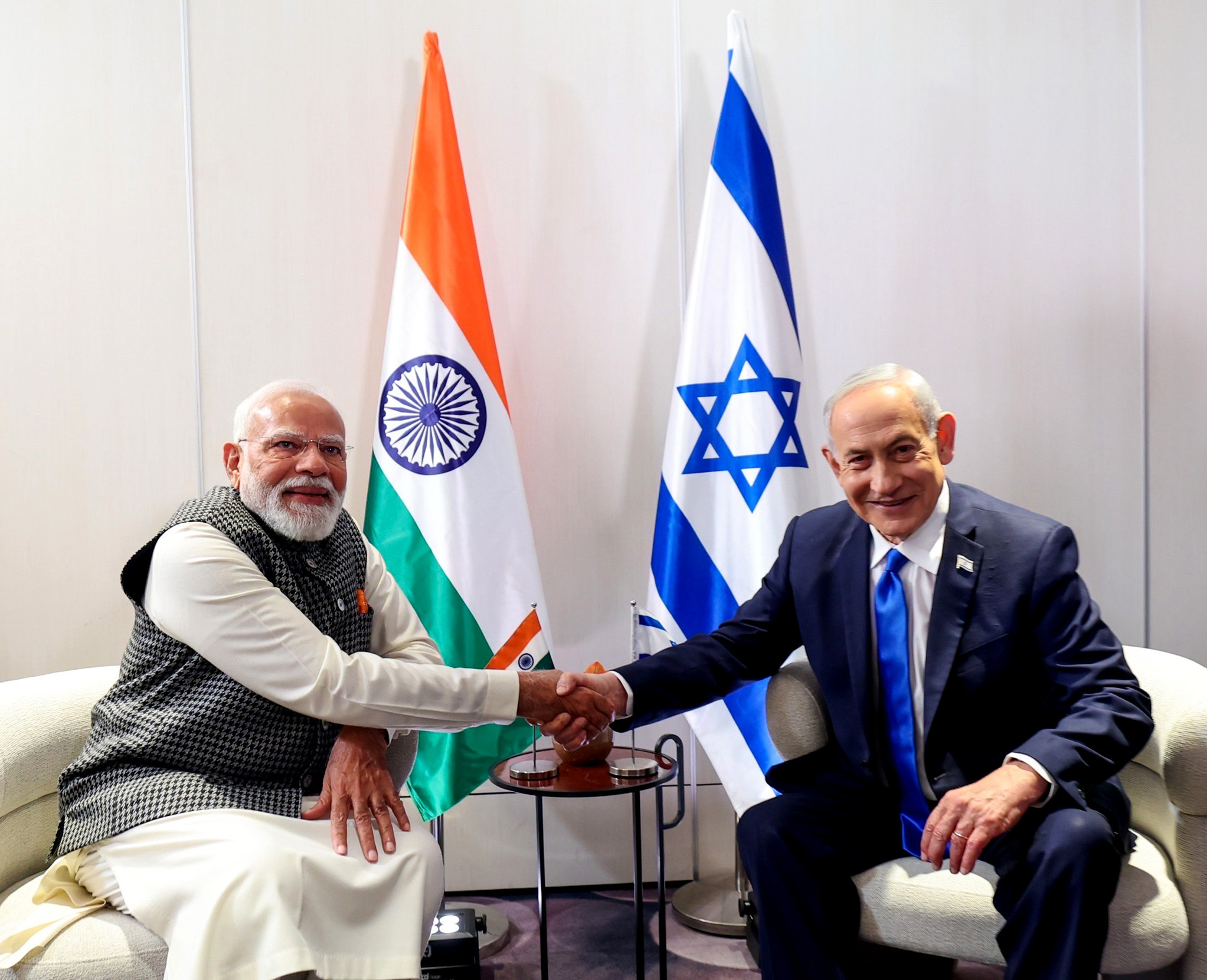
India’s Diplomatic Pivot: A New Era in Middle East Relations?
India’s recent embrace of Israel, highlighted by Prime Minister Narendra Modi’s visit and the signing of a significant defense cooperation agreement, marks a dramatic shift in its foreign policy. Historically a staunch supporter of the Palestinian cause, India’s evolving relationship with Israel signals a recalibration of its strategic interests and a potential reshaping of global political dynamics. This pivot raises questions about India’s long-standing commitments and the implications for the broader Middle East peace process.
From Solidarity to Strategic Partnership: Decoding the Change
For decades, India maintained a cautious distance from Israel, aligning itself with the Non-Aligned Movement and advocating for Palestinian self-determination. This stance stemmed from a combination of historical solidarity with the Arab world, a significant Muslim population within India, and a desire to maintain balanced relationships in the volatile Middle East. However, the past few years have witnessed a gradual warming of ties, culminating in Modi’s landmark visit. Several factors contribute to this transformation.
Firstly, shared security concerns have become a driving force. Both India and Israel face threats from terrorism and extremism, fostering a sense of common ground in intelligence sharing and defense cooperation. Secondly, economic considerations play a crucial role. Israel’s advanced technology and innovation ecosystem offer attractive opportunities for India’s growing economy, particularly in areas like agriculture, water management, and cybersecurity. Finally, a shift in India’s strategic outlook, prioritizing national interests and pragmatic partnerships, has paved the way for closer ties with Israel.
Implications and Ramifications: Navigating a Complex Landscape
India’s deepening relationship with Israel is not without its complexities. Critics argue that it could alienate India’s traditional allies in the Arab world and undermine its credibility as a neutral mediator in the Israeli-Palestinian conflict. Furthermore, concerns have been raised about the potential implications for India’s domestic politics, given its large Muslim population.
Despite these challenges, India appears determined to pursue its strategic partnership with Israel. The Modi government has emphasized its commitment to a two-state solution and continues to engage with Palestinian leaders. However, the shift in emphasis towards security and economic cooperation with Israel is undeniable, reflecting a new pragmatism in India’s foreign policy.
A New World Order?
India’s evolving relationship with Israel reflects a broader trend in international relations: the rise of strategic partnerships based on shared interests rather than ideological alignment. As the global geopolitical landscape becomes increasingly multipolar, countries are forging new alliances and re-evaluating their traditional commitments. India’s shift on Israel-Palestine is not just a bilateral matter; it is a microcosm of the changing dynamics shaping the future of world politics, a future where national interests and strategic pragmatism often outweigh historical allegiances and ideological constraints.
SOURCE: Vox
Based on materials: Vox



