Trump’s Iran Strike: A Bold Gambit or Dangerous Escalation?
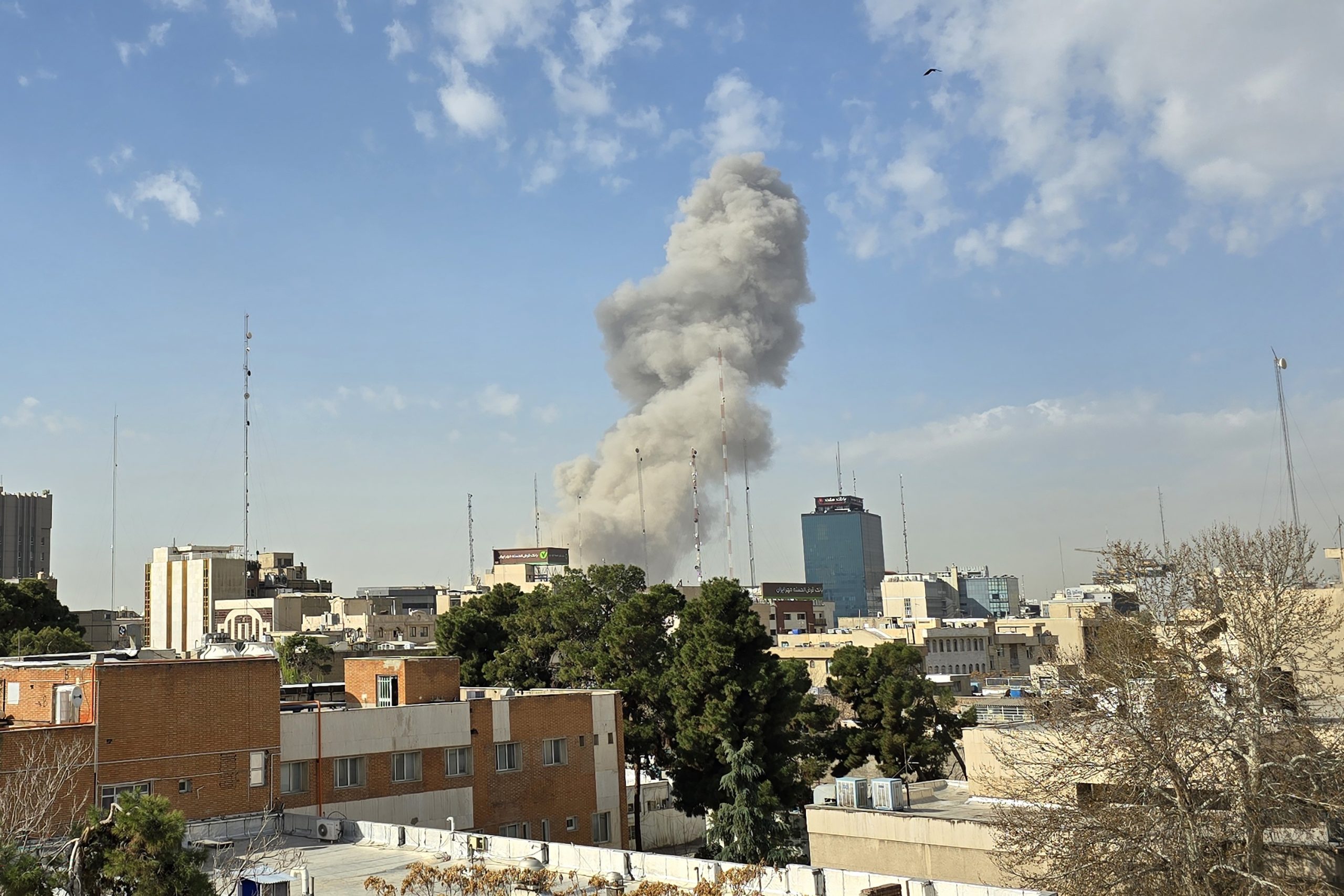
In a move that has sent shockwaves across the globe, President Donald Trump announced early Saturday morning a joint US-Israeli military strike against Iran. The stated objective, according to Trump, is to neutralize an “imminent threat” posed by the Islamic Republic, dismantle its missile production capabilities, and cripple its naval forces. Trump also explicitly called for regime change, urging the Iranian people to overthrow their government. The strike follows weeks of escalating tensions in the region, raising serious questions about the potential for a wider conflict.
The Buildup to the Bombing
The decision to launch a military operation against Iran was preceded by weeks of heightened rhetoric and military posturing. Trump first hinted at potential military action in January, promising “help is on the way” to Iranian protestors demonstrating against the country’s struggling economy. This interventionist language, coupled with the deployment of additional US military assets to the Middle East, fueled speculation that a confrontation was looming.
The administration’s justification for the strike centers on the claim of an “imminent threat” emanating from Iran. However, details regarding the nature of this threat have been scarce, leading to skepticism among some observers. Critics argue that the Trump administration may be exaggerating the Iranian threat to justify a long-desired confrontation, a move reminiscent of past administrations that have used similar justifications for military interventions.
Confident Belligerence: A Recipe for Disaster?
What is particularly alarming is the seeming confidence on both sides that they would emerge victorious from any potential conflict. Such overconfidence can be a dangerous catalyst, leading to miscalculations and escalations that neither side initially intended. The potential consequences of a full-blown war between the US and Iran are dire, with the potential to destabilize the entire region and draw in other global powers.
This strike marks a significant departure from previous US policy toward Iran, even under the Trump administration. While Trump has consistently criticized the Iran nuclear deal and imposed sanctions on the country, a direct military attack represents a major escalation. The international community now faces the challenge of de-escalating the situation and preventing a wider conflict. Whether this was a calculated risk or a reckless gamble will only become clear in the coming days and weeks.
Conclusion: A World on Edge
President Trump’s decision to strike Iran has plunged the region into uncharted territory. The risks are undeniable, and the potential for miscalculation is high. The world watches with bated breath, hoping that cooler heads will prevail and that a path toward de-escalation can be found before the situation spirals out of control. The success or failure of this bold and controversial move will undoubtedly define President Trump’s legacy and shape the geopolitical landscape for years to come.
Based on materials: Vox