
Trump’s Iran War Justification: Analysts Question Rationale
In a move that has sent shockwaves across the globe, the United States, under the leadership of President Donald Trump, initiated military action against Iran early Saturday. The sudden escalation has been met with widespread confusion and a distinct lack of clarity regarding the administration’s motivations, raising serious questions about the justification for such a significant undertaking.
Military Buildup and Justification Vacuum
Leading up to the commencement of hostilities, the United States had been steadily increasing its military presence in the region. Reports indicated a substantial deployment, with an estimated 40 to 50 percent of the nation’s deployable air fleet positioned in the area. Despite this considerable buildup, the Trump administration remained conspicuously silent on the specific reasons driving their considerations for military intervention. No clear explanation was offered to the public regarding the potential scope of a war with Iran, the strategic objectives, or a defined path towards achieving victory. This lack of transparency fueled speculation and heightened anxieties both domestically and internationally.
The Eight-Minute Explanation: Too Little, Too Late?
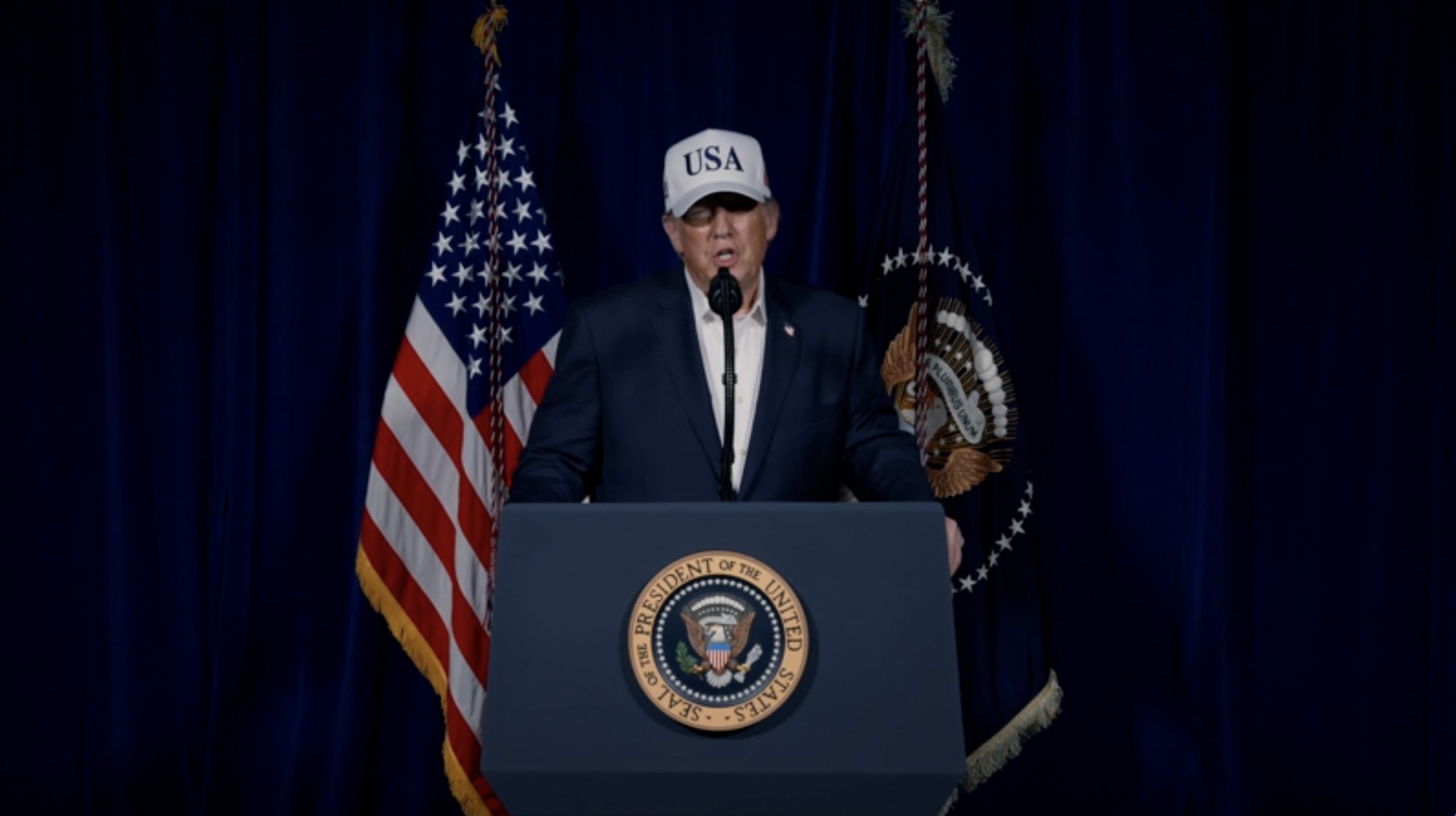
Following the launch of military operations, President Trump addressed the nation in an eight-minute speech intended to clarify the rationale behind the decision. The speech touched upon familiar grievances against the Iranian government, including accusations of anti-American sentiment and historical support for terrorist organizations. However, analysts argue that these points, while not entirely without merit, failed to provide a compelling and comprehensive justification for initiating a full-scale war. Critics pointed out that the speech lacked concrete evidence linking Iran to immediate threats necessitating such drastic action.
Furthermore, experts question the timing and delivery of the explanation. The fact that a justification was only offered
after
military action had commenced suggests a reactive rather than proactive approach to foreign policy. This raises concerns about the level of strategic planning and diplomatic engagement that preceded the decision to go to war. Some observers suggest that the administration may have been motivated by factors beyond those publicly stated, potentially including domestic political considerations or unresolved geopolitical tensions.
A War of Unknown Objectives
The lack of a clear and convincing rationale for the war on Iran has left many questioning the long-term implications of the conflict. Without a well-defined strategy and achievable objectives, there is a risk of prolonged instability in the region, increased casualties, and significant economic costs. The absence of a clear exit strategy further compounds these concerns, raising the specter of a protracted and potentially unwinnable war. As the conflict unfolds, it is crucial for the Trump administration to provide greater transparency and accountability regarding its actions and to articulate a clear vision for a peaceful resolution.
SOURCE: Vox
Based on materials: Vox



