
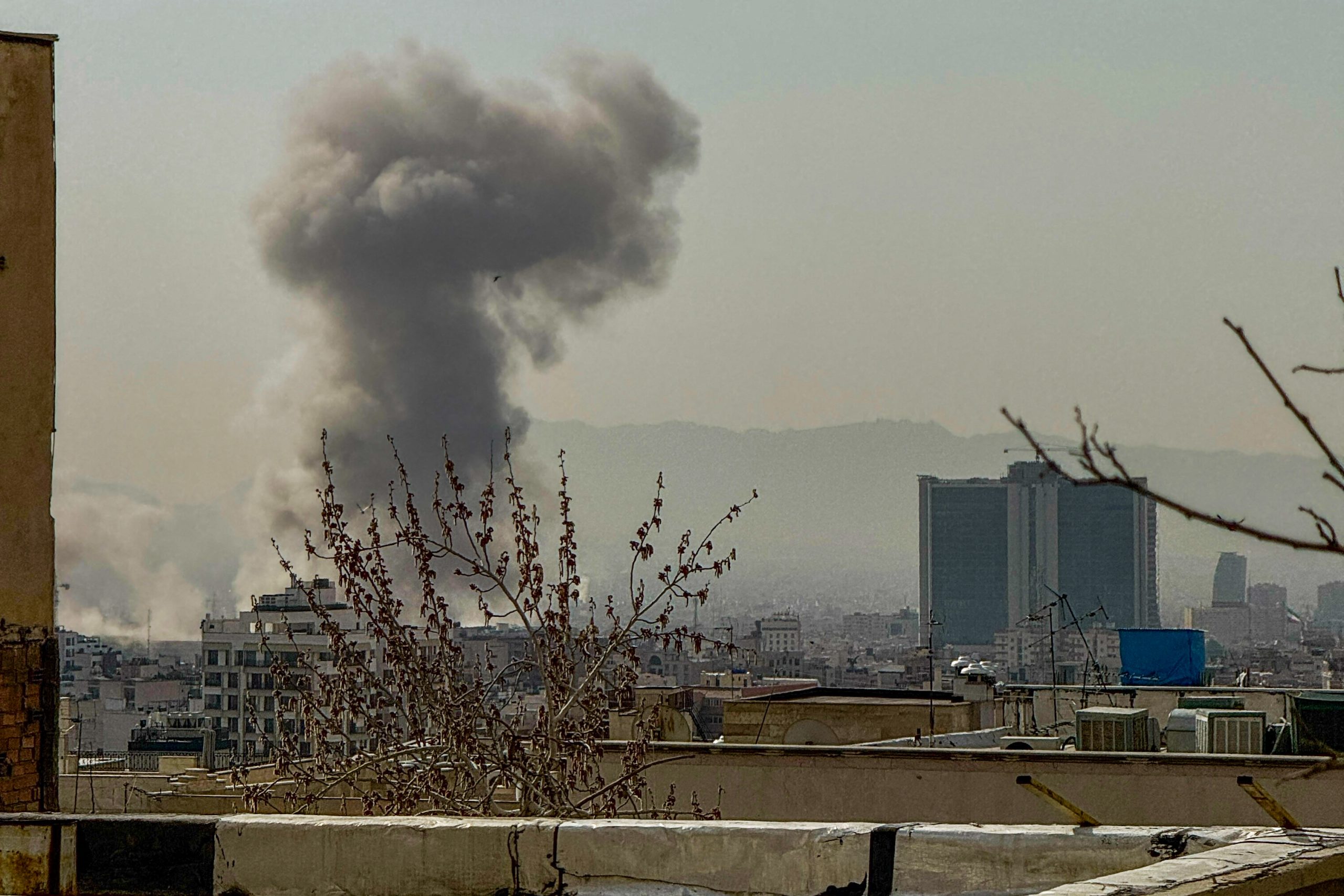
US & Israel Launch Strikes on Iran: Escalation in Middle East
A significant escalation of tensions in the Middle East unfolded early Saturday as the United States and Israel launched coordinated strikes against Iran. The military action, characterized by President Donald Trump as a move to eliminate an “imminent threat,” has ignited a chain of retaliatory actions and raised serious concerns about a wider regional conflict.
Preemptive Strike and Stated Objectives
The initial strikes focused on targets in Tehran, reportedly aimed at dismantling Iran’s missile and naval capabilities and targeting key regime figures, potentially including Supreme Leader Ayatollah Ali Khamenei. President Trump articulated a broader objective: to encourage the Iranian people to overthrow their government. While the specifics of the “imminent threat” remain undisclosed, the scope of the operation suggests a long-term strategy rather than a limited engagement.
Retaliation and Regional Instability
In response to the US-Israeli offensive, Iran launched retaliatory missile strikes targeting US, Israeli, and allied assets across the region. This rapid escalation, following weeks of heightened military activity, indicates a potentially protracted and far-reaching conflict. The situation is further complicated by the involvement of various regional actors and proxy forces, making it difficult to predict the trajectory of the conflict.
Geopolitical Implications and Uncertain Future
The US-Israeli strikes on Iran represent a dramatic shift in geopolitical dynamics. This action departs from previous administrations’ diplomatic efforts and signals a more confrontational approach towards Iran. The long-term implications of this strategy are uncertain. While the stated goals include weakening Iran’s military capabilities and encouraging regime change, the strikes could also backfire, galvanizing support for the current government and further destabilizing the region. The potential for civilian casualties, the involvement of other nations, and the disruption of global energy markets all contribute to a highly volatile and unpredictable situation. The world watches with bated breath as the conflict unfolds, hoping for a swift and peaceful resolution that prevents further bloodshed and regional chaos.
SOURCE INFORMATION:
TITLE: US strikes Iran: What you need to know
DESCRIPTION: Early Saturday, the United States and Israel launched an attack on Iran, marking the start of what appears to be a far-reaching and open-ended war. President Donald Trump said the operation was meant to eliminate an “imminent threat,” destroy Iran’s missile and naval forces, and ultimately encourage Iranians to overthrow their government. The strikes began […]
CONTENT: A plume of smoke rises over Tehran after a reported explosion on February 28, 2026, after Israel said it carried out a “preemptive strike” on Iran as sirens sounded in Jerusalem and phone alerts warned of an “extremely serious” threat. | Mahsa/Middle East Images/AFP via Getty Images Early Saturday, the United States and Israel launched an attack on Iran, marking the start of what appears to be a far-reaching and open-ended war. President Donald Trump said the operation was meant to eliminate an “imminent threat,” destroy Iran’s missile and naval forces, and ultimately encourage Iranians to overthrow their government. The strikes began in Tehran and appeared to target senior regime figures, possibly including Supreme Leader Ayatollah Ali Khamenei. Iran has since responded with retaliatory missile attacks on US, Israeli, and allied targets across the region. After weeks of military buildup, all signs point to a campaign far larger than recent clashes. Politically, the moment seems
Based on materials: Vox



