
Finland’s Close Call: How Democracy Thwarted Fascism
Finland, a nation recently in the spotlight for its near-miss Olympic hockey victory against Canada, faced a far more perilous “near miss” a century ago: a descent into fascism. The story of how Finland navigated this treacherous period offers valuable lessons about the fragility of democracy and the importance of resisting extremist ideologies.
From Civil War to the Rise of the Lapua Movement
The seeds of this crisis were sown in the aftermath of Finland’s bloody civil war in 1918-1919, a conflict that pitted socialist “Reds” against conservative “Whites.” The newly established Finnish state, founded in 1919, was haunted by a deep-seated fear of communism. This fear, coupled with the economic anxieties of the late 1920s, created fertile ground for the rise of right-wing extremism. The Lapua movement, named after a violent confrontation between farmers and a communist youth group in the town of Lapua, emerged as a powerful force. This far-right, authoritarian faction quickly gained traction, appealing to a broad base of the population.
A Populist Surge and a Failed Coup
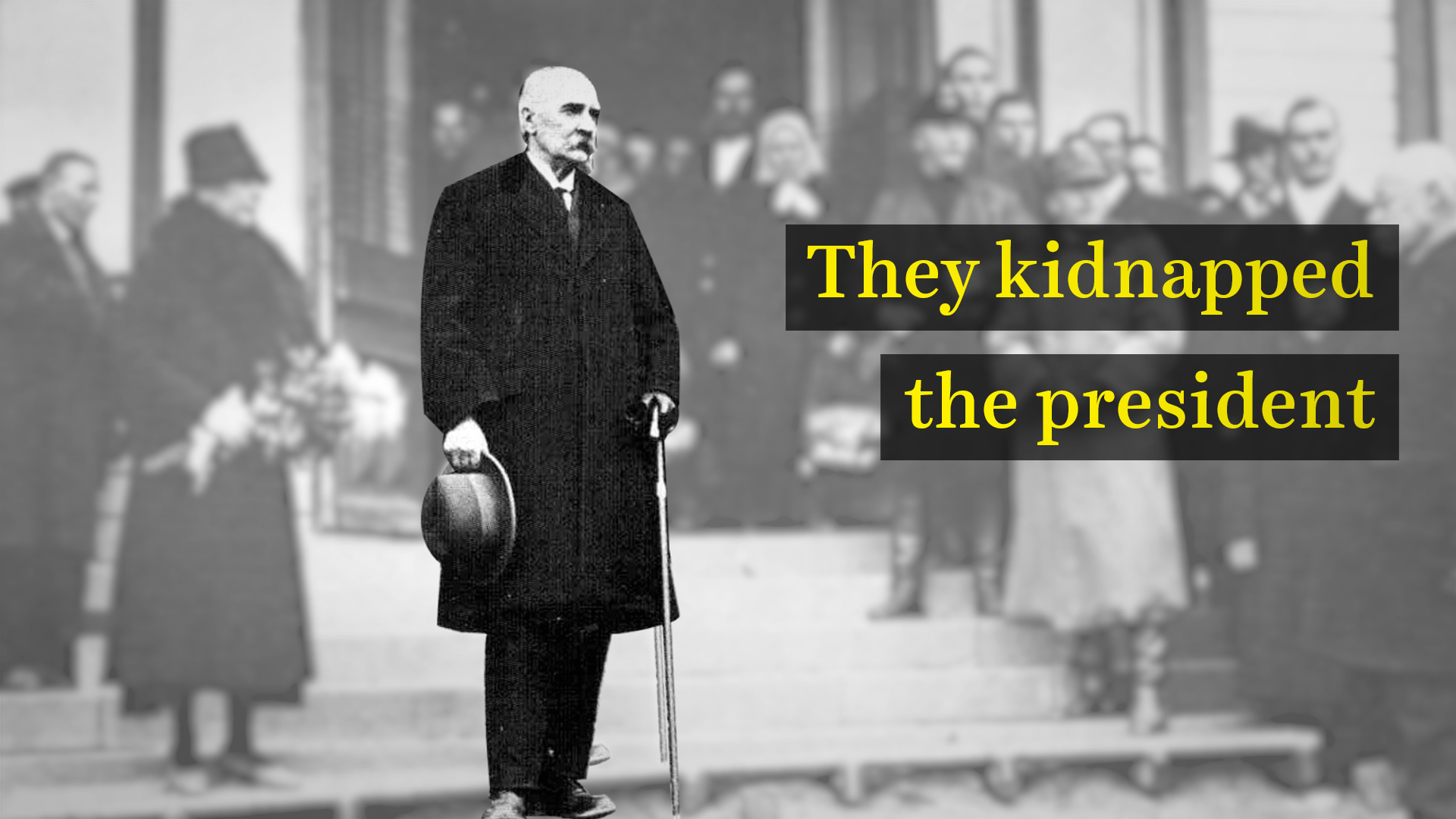
The Lapua movement’s populist appeal stemmed from its aggressive anti-communism and its promise to restore order and traditional values. The movement employed increasingly violent tactics, intimidating political opponents, disrupting meetings, and even kidnapping and assaulting perceived enemies. Their actions culminated in a failed coup attempt in 1932, known as the Mäntsälä rebellion, which aimed to overthrow the government and establish an authoritarian regime.
Resilience and the Triumph of Democracy
The failure of the Mäntsälä rebellion proved to be a turning point. The Finnish government, though initially hesitant, finally acted decisively to suppress the Lapua movement. Key leaders were arrested, and the movement was outlawed. More importantly, the Finnish people, recognizing the threat to their democratic institutions, rallied in support of the rule of law. The episode served as a wake-up call, reinforcing the importance of safeguarding democratic values and resisting the allure of extremism.
Finland’s near brush with fascism underscores the constant vigilance required to protect democratic institutions. While the fear of communism was a contributing factor, the story also highlights the dangers of unchecked populism, political violence, and the erosion of civil liberties. Finland’s ability to ultimately reject fascism stands as a testament to the resilience of its democratic spirit and the importance of civic engagement in the face of extremism.
Based on materials: Vox



