
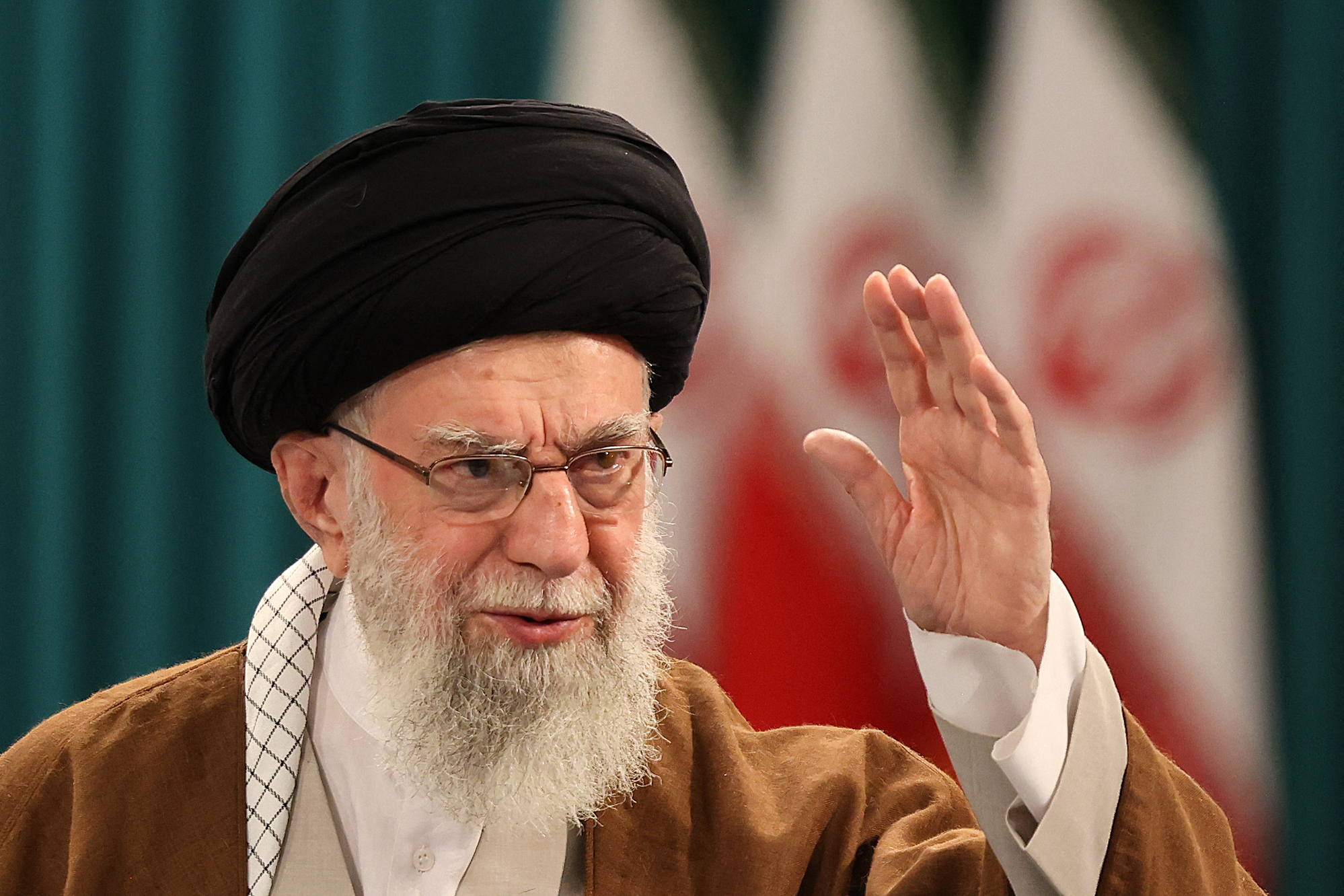
The sudden death of Ayatollah Ali Khamenei, Iran’s Supreme Leader, in a recent airstrike marks a seismic shift in the geopolitical landscape. While reports circulated weeks prior about the potential targeting of Iranian leadership by the US, the reality of Khamenei’s demise on the first day of escalating tensions has sent shockwaves throughout the world. This event eliminates a figure who has been central to global politics for nearly four decades, raising critical questions about the future of Iran and its role on the world stage.
From Humble Beginnings to Supreme Authority
Born in 1939 in Mashhad, Khamenei’s ascent to power was a story of revolutionary fervor and unwavering loyalty. He emerged as a dedicated disciple of Ayatollah Ruhollah Khomeini, the charismatic leader of the 1979 Iranian Revolution. Khamenei’s commitment to Khomeini’s vision propelled him through the ranks, culminating in two terms as president during the turbulent 1980s. This period solidified his position within the Iranian political establishment and laid the groundwork for his eventual succession as Supreme Leader.
The Significance of Khamenei’s Leadership
Khamenei’s influence extended far beyond Iran’s borders. As Supreme Leader, he wielded ultimate authority over all aspects of Iranian life, from domestic policy to foreign affairs. His conservative ideology shaped Iran’s relationship with the West, particularly the United States and Israel. He was a staunch defender of the Islamic Revolution and a vocal critic of Western influence in the Middle East. His death creates a power vacuum and throws into question the future trajectory of Iranian foreign policy. Will a new leader emerge with a similar hardline stance, or will this create an opportunity for a shift towards a more moderate approach?
Uncertainty and the Future of Iran
The abrupt removal of such a long-standing figure inevitably introduces a period of uncertainty. The succession process in Iran is complex and opaque, with various factions vying for influence. The potential for internal power struggles is significant, and the outcome will have far-reaching implications for the region and the world. The international community will be closely watching Iran in the coming weeks and months, assessing the implications of Khamenei’s death and anticipating the policies of his successor. The stability of the Middle East, already a volatile region, hinges in part on the choices made in Tehran in the wake of this pivotal event.
CONCLUSION:
The death of Ayatollah Ali Khamenei represents more than just the loss of a leader; it signifies a potential turning point in Iranian history. The coming weeks will be crucial in determining the future direction of the country and its relationship with the rest of the world. The international community must navigate this delicate situation with caution and diplomacy, recognizing the potential for both opportunity and instability in the post-Khamenei era.
Based on materials: Vox



