
Iran Conflict Escalates: Civilian Casualties Mount Amidst US Action
A rapidly escalating conflict in Iran, now in its third day and involving the United States and Israel, is raising serious concerns about civilian casualties and regional stability. What began as a targeted military operation has quickly morphed into a broader engagement with potentially devastating consequences for the Iranian people and the wider region.
Swift Military Action and Shifting Objectives
According to statements made on Monday, the US President estimated the conflict could last approximately four weeks, suggesting the operation is progressing faster than initially anticipated. Early successes claimed by the US include the crippling of a significant portion of the Iranian navy and strikes against key Iranian military assets, such as ballistic missile and nuclear facilities. Israel, reportedly aided by US intelligence, also conducted a strike that resulted in the death of Iran’s Supreme Leader, Ayatollah Ali Khamenei, on the first day of the war. These decisive early actions signal a clear intent to swiftly neutralize Iran’s military capabilities.
The Human Cost of War
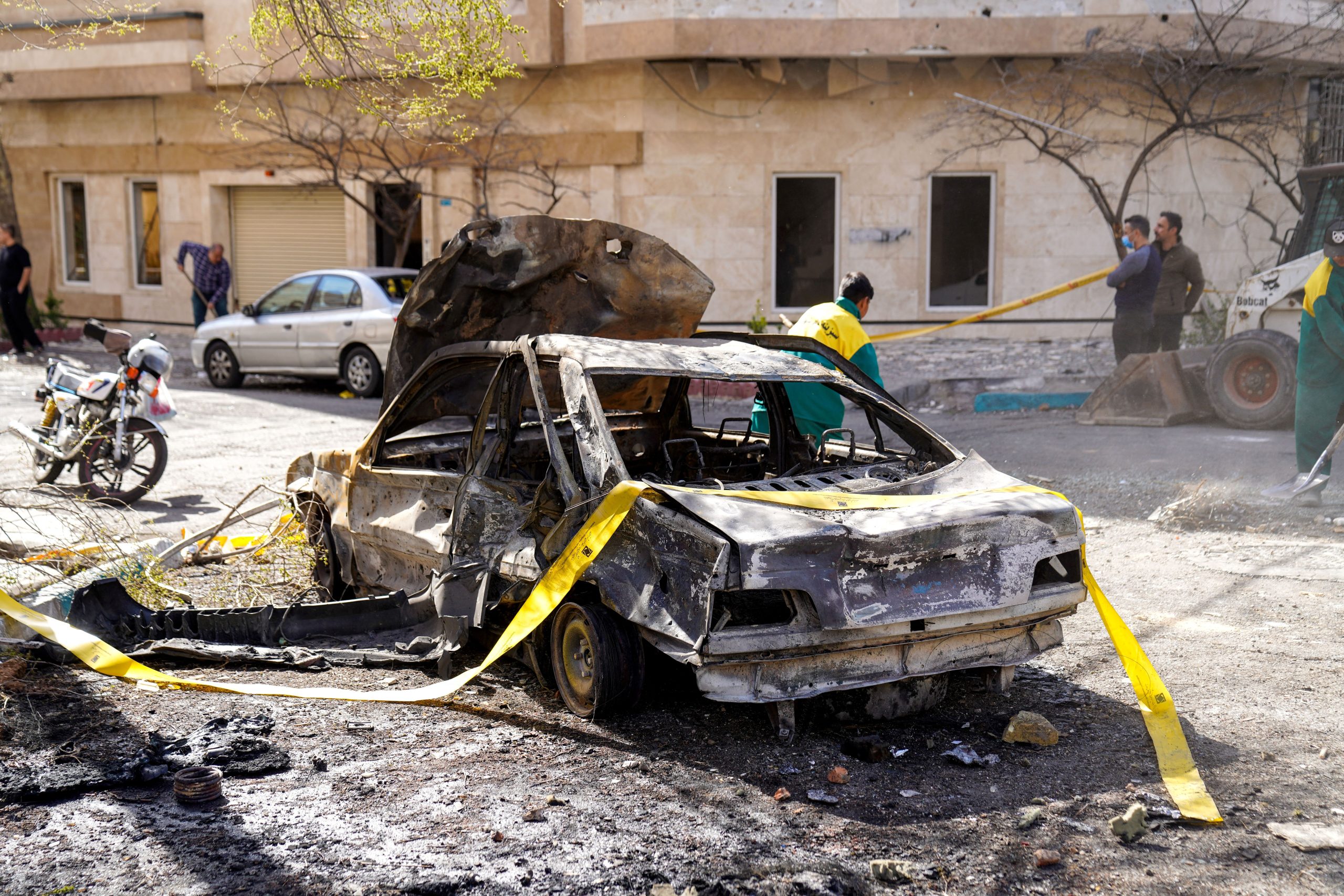
However, the gains have come at a steep price. While the US has reported at least six military personnel killed and four injured, the conflict is also taking a grim toll on civilian populations. Reports indicate a substantial and growing number of civilian deaths in Iran, as well as in Israel and the Gulf states, which have been targeted by Iranian missile and drone attacks. The images emerging from Tehran, showing the aftermath of strikes in residential areas, paint a stark picture of the human cost of this escalating crisis. The long-term impact of these casualties, both physical and psychological, will undoubtedly be significant.
A Region on Edge
The involvement of multiple actors, including the US, Israel, and Iran, adds layers of complexity to the situation. The possibility of further escalation remains high, with potential consequences for regional stability and global security. The international community is watching closely, with calls for de-escalation and diplomatic solutions growing louder. However, the immediate priority remains the protection of civilians caught in the crossfire and the mitigation of further loss of life. The current trajectory suggests a protracted conflict with potentially far-reaching and devastating consequences.
CONCLUSION:
The conflict in Iran represents a dangerous escalation with a significant humanitarian cost. While military objectives are being pursued, the increasing number of civilian casualties demands immediate attention and a renewed focus on diplomatic efforts to de-escalate the situation and protect innocent lives. The long-term ramifications of this conflict will be felt for years to come, underscoring the urgent need for a peaceful resolution.
Based on materials: Vox



