
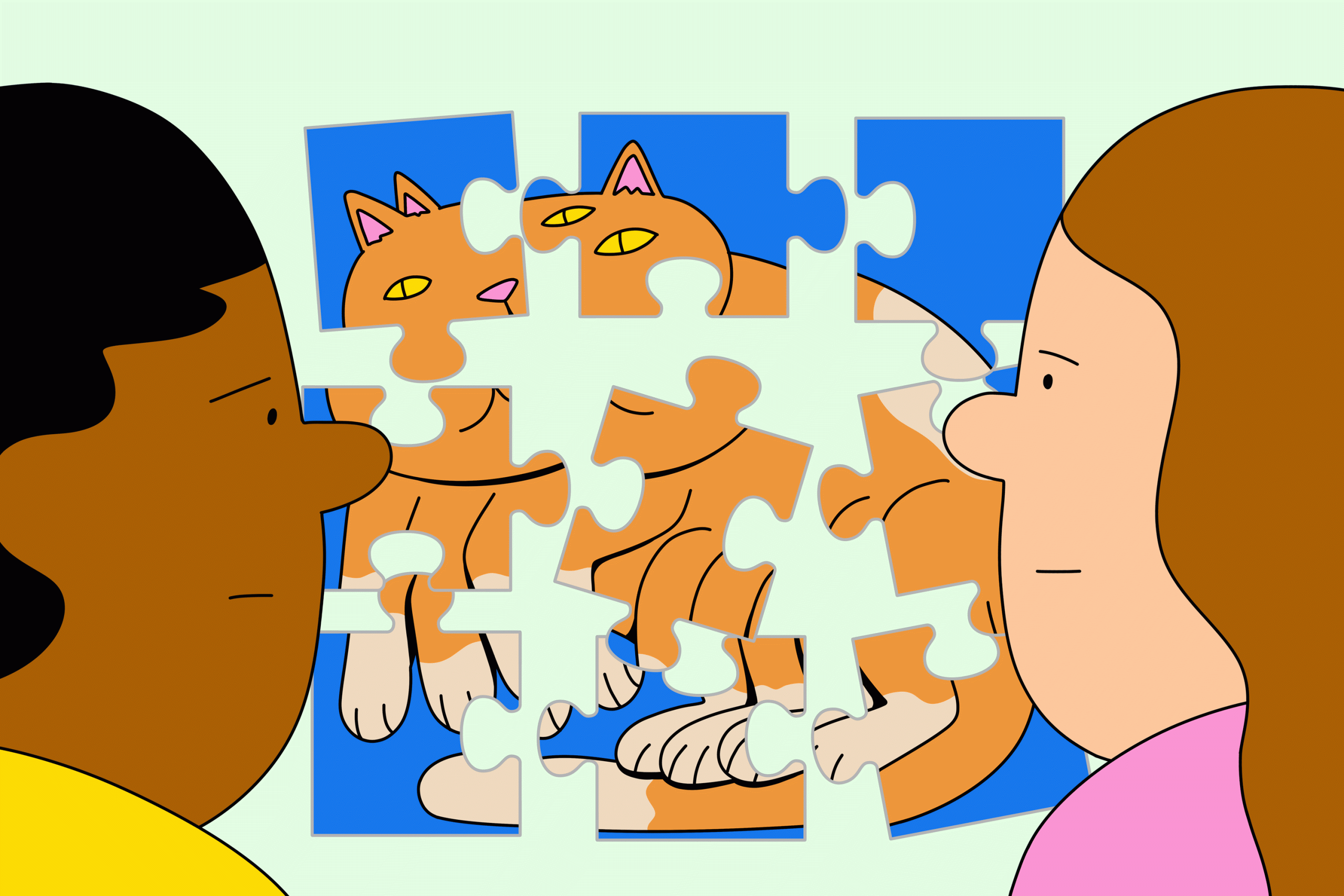
The humble jigsaw puzzle, a pastime cherished for its meditative focus and satisfying sense of completion, is facing an unexpected challenge: artificial intelligence. While AI image generators are creating stunning visuals across various mediums, their foray into the puzzle world is proving to be a frustrating experience for dedicated enthusiasts. The very qualities that make puzzles enjoyable – the intricate details, the subtle variations in color and texture – are precisely where AI-generated images fall short, leading to a less-than-perfect fit for the discerning puzzler.
The Devil is in the Details: AI’s Algorithmic Art
For puzzle aficionados, the joy lies in the meticulous examination of each piece. Identifying minute differences in shading, pattern, or even the subtlest hint of a familiar object is key to piecing together the larger picture. AI-generated images, however, often lack the organic imperfections and nuanced textures that seasoned puzzlers rely on. AI algorithms, while capable of creating impressive visuals, sometimes produce images that are overly homogenous, lacking the subtle variations that provide crucial clues during the puzzle-solving process. This algorithmic “perfection” can render the puzzle deceptively difficult and, ultimately, less rewarding.
A Blurred Line Between Chaos and Solution
The inherent challenge of a jigsaw puzzle lies in transforming apparent chaos into a cohesive whole. The process of sorting, analyzing, and connecting disparate pieces is a stimulating exercise in pattern recognition and spatial reasoning. But when the images themselves are flawed, the challenge becomes less about skill and more about sheer luck. Repetitive patterns, inconsistent lighting, and a general lack of visual clarity in AI-generated puzzles can blur the line between challenging and frustrating, diminishing the sense of accomplishment upon completion.
Preserving the Puzzle’s Purpose
The rise of AI-generated puzzles raises a fundamental question: what is the purpose of a jigsaw puzzle? Is it simply to fill time with a visually appealing image, or is it a deeper engagement with detail, pattern recognition, and the satisfaction of overcoming a complex challenge? For many enthusiasts, it is the latter. The imperfections of a photograph or painting create a unique and engaging challenge. The current state of AI image generation seems to undermine these core values. As AI technology continues to evolve, it remains to be seen whether it can truly capture the essence of what makes jigsaw puzzles such a beloved and enduring pastime. For now, however, the purists are likely to stick with puzzles crafted from more human-driven sources, where the details tell a story, not just follow an algorithm.
Based on materials: Vox



