
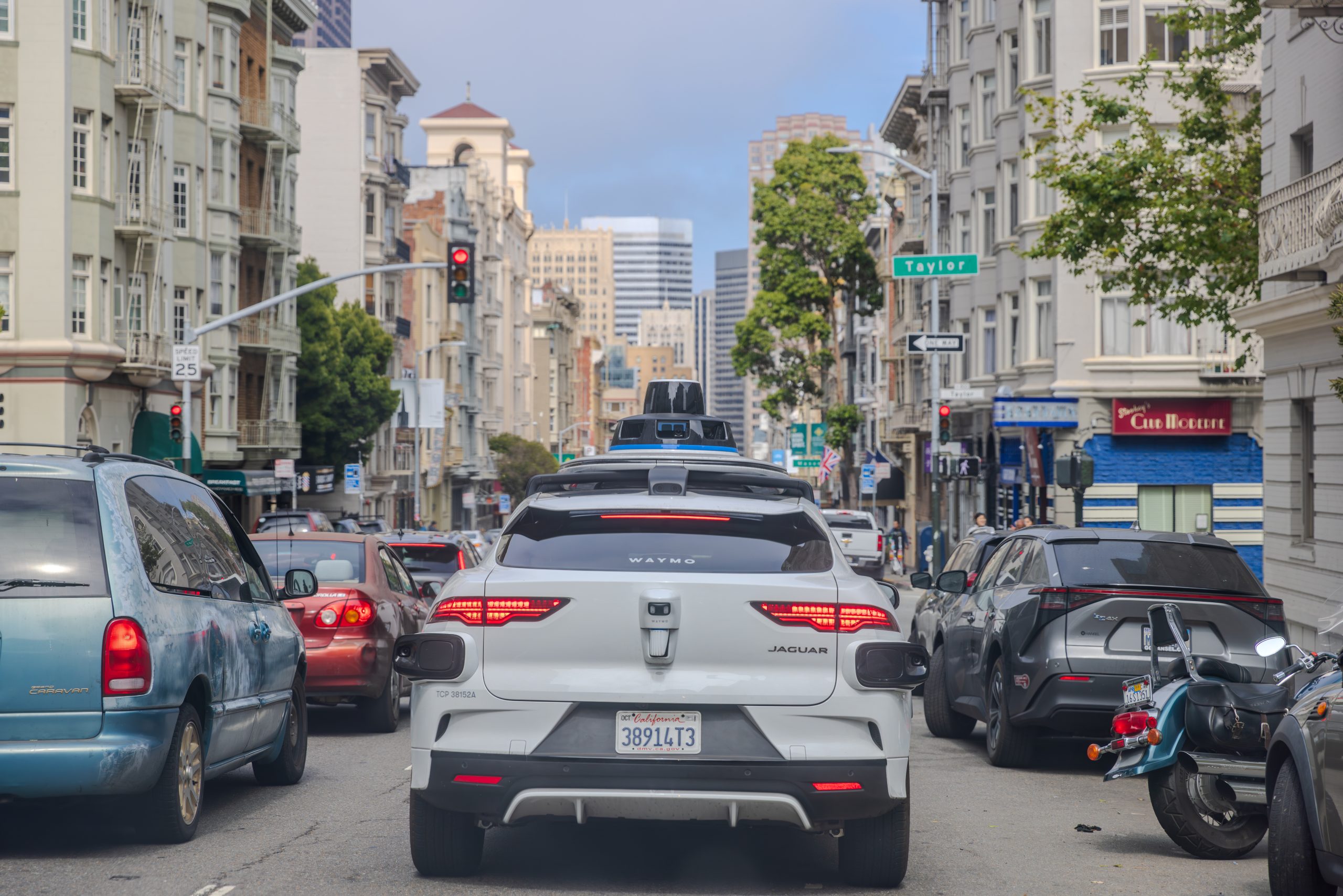
Driverless Dilemma: Will Self-Driving Cars Worsen Traffic?
The promise of self-driving cars is alluring: safer roads, reduced congestion, and increased mobility for all. But a surprising debate is brewing within the very industry pushing for autonomous vehicles (AVs). Could the widespread adoption of driverless technology paradoxically worsen the very problem it aims to solve: traffic?
The Promise vs. The Potential Pitfalls
The potential for AVs to drastically reduce traffic fatalities is undeniable. Human error is a leading cause of accidents, and removing fallibility from the equation could save countless lives. However, many experts fear that the convenience and affordability of autonomous travel could lead to a significant increase in overall car usage. Imagine a future where summoning a driverless car is cheaper than public transport and more convenient than walking or cycling. The result? More cars on the road, even if they are driving more efficiently.
The Car-Dominated Future
David Zipper, in a previous Vox article, highlighted this concern, suggesting that widespread AV adoption could lead to a more car-centric society. Increased car travel could exacerbate existing traffic congestion, particularly in urban areas. Cities might need to further prioritize roadways over pedestrian and bicycle infrastructure to accommodate the increased traffic volume, leading to a less walkable, less livable environment. The initial vision of a utopian, car-free future might be replaced by a gridlocked reality.
Navigating the Road Ahead
The debate surrounding AVs highlights the complex interplay between technology and societal impact. While autonomous vehicles hold immense potential for good, their widespread adoption requires careful planning and consideration. Cities and policymakers need to proactively address the potential downsides, such as increased traffic and urban sprawl, by investing in public transportation, promoting alternative modes of transportation, and implementing smart urban planning strategies. The future of transportation hinges not only on technological advancements but also on a holistic approach that prioritizes sustainability, accessibility, and quality of life.
Based on materials: Vox



