Coastal Communities Face Greater Threat as Sea Level Projections Lag
For decades, scientists have been underestimating the rate of sea level rise, leaving coastal communities vulnerable to the increasing threat of flooding and economic disruption, a new study reveals. With a significant portion of the global population residing near coastlines, the implications of this miscalculation are far-reaching and demand immediate attention.
The Coastal Imperative: A Looming Crisis
Humans are drawn to the coast. More than 10% of the world’s population lives within three miles of a coast, and roughly 40% are within an hour’s drive of the ocean. These coastal regions are economic powerhouses; in the United States alone, coastal counties account for a third of its GDP. However, the allure of the coast comes with the inherent risk of rising sea levels, which exacerbate tidal floods and storm surges. As global average sea levels have risen approximately 9 inches since 1880, the threat to coastal populations and economies is rapidly intensifying.
Unveiling the Underestimation: A Call to Action
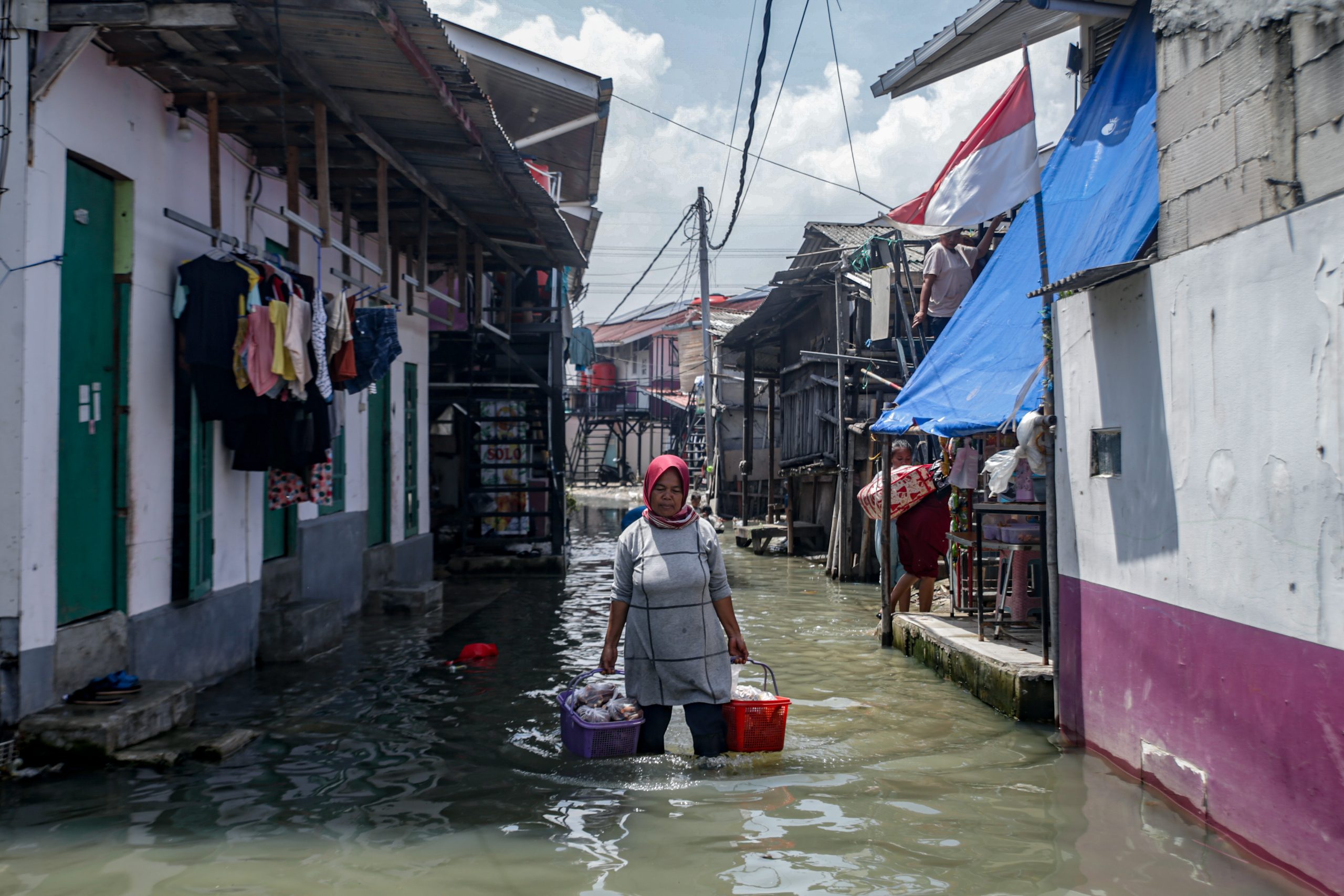
The recent study highlights a critical flaw in previous sea level projections. The underestimation stems from several factors, including limitations in data collection and the complexities of modeling glacial and ice sheet melt. The problem is compounded by the fact that many parts of Southeast Asia are experiencing higher sea levels than previously realized, as illustrated by recent tidal flooding in Jakarta, Indonesia.
This revelation underscores the urgent need for more accurate and comprehensive data collection, as well as improved modeling techniques. Governments, researchers, and coastal communities must collaborate to develop more realistic projections and implement proactive adaptation strategies.
Adapting to a Changing Coastline: The Path Forward
Addressing the challenge of rising sea levels requires a multi-faceted approach. Investing in infrastructure improvements, such as seawalls and drainage systems, can help protect coastal communities from flooding. Implementing stricter land-use planning regulations can prevent further development in vulnerable areas. Additionally, reducing greenhouse gas emissions to mitigate climate change remains the most critical long-term solution.
The underestimation of sea level rise serves as a stark warning. It is imperative that we acknowledge the severity of the threat and take immediate action to protect coastal communities and economies. The future of these regions depends on our ability to adapt to a changing coastline and mitigate the effects of climate change.
Based on materials: Vox