
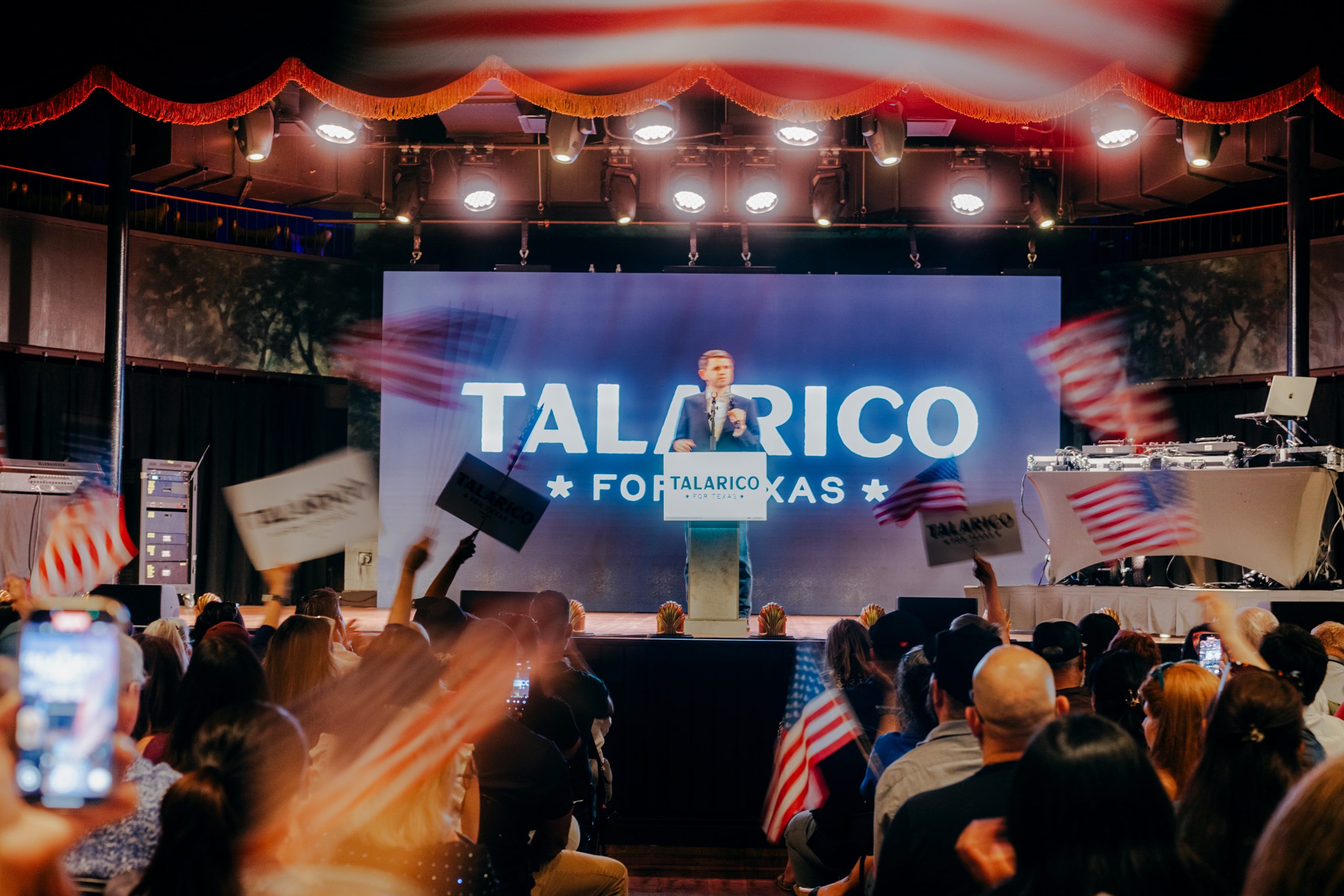
Texas Primary Exposes Deep Rifts in Democratic Party
The recent Texas Senate Democratic primary, which saw State Representative James Talarico emerge victorious over Representative Jasmine Crockett, has laid bare the deep fault lines running through the Democratic Party. More than a simple contest of policy or ideology, the race evolved into a stark choice between contrasting styles of leadership and approaches to political engagement, ultimately revealing racial polarization within the party.
Clash of Styles: Compassion vs. Confrontation
Talarico, a state representative with a background in ministry, presented himself as a figure of grit tempered with Christian compassion. His campaign focused on appealing to moderate voters and even disaffected Republicans, framing the nation’s problems as the result of a broken system rather than solely blaming the opposing party. This “big tent” approach aimed to broaden the Democratic base by attracting voters who felt alienated by traditional partisan rhetoric.
In contrast, Crockett ran a campaign fueled by fiery confrontation, directly targeting Donald Trump and the Republican Party as the primary sources of the country’s woes. Her strategy centered on mobilizing the existing Democratic base and energizing voters through passionate appeals and a strong emphasis on social justice issues. This approach, while effective in certain contexts, ultimately fell short in the primary election.
Racial Dynamics and the Future of the Party
The primary contest was further complicated by racial dynamics, adding another layer of complexity to the Democratic Party’s internal struggles. While the article suggests racially polarized lines, further examination is needed to fully understand the nuances of race in this election. What is clear is that the results highlight the challenges the party faces in building a truly unified coalition across diverse demographics.
The outcome of the Texas Senate Democratic primary serves as a potent reminder of the internal divisions within the Democratic Party. The election wasn’t simply about policy differences; it was about fundamentally different visions for the party’s future and how it should engage with the broader electorate. As the party looks ahead to future elections, addressing these internal tensions and finding common ground will be crucial for achieving long-term success.
Based on materials: Vox



