
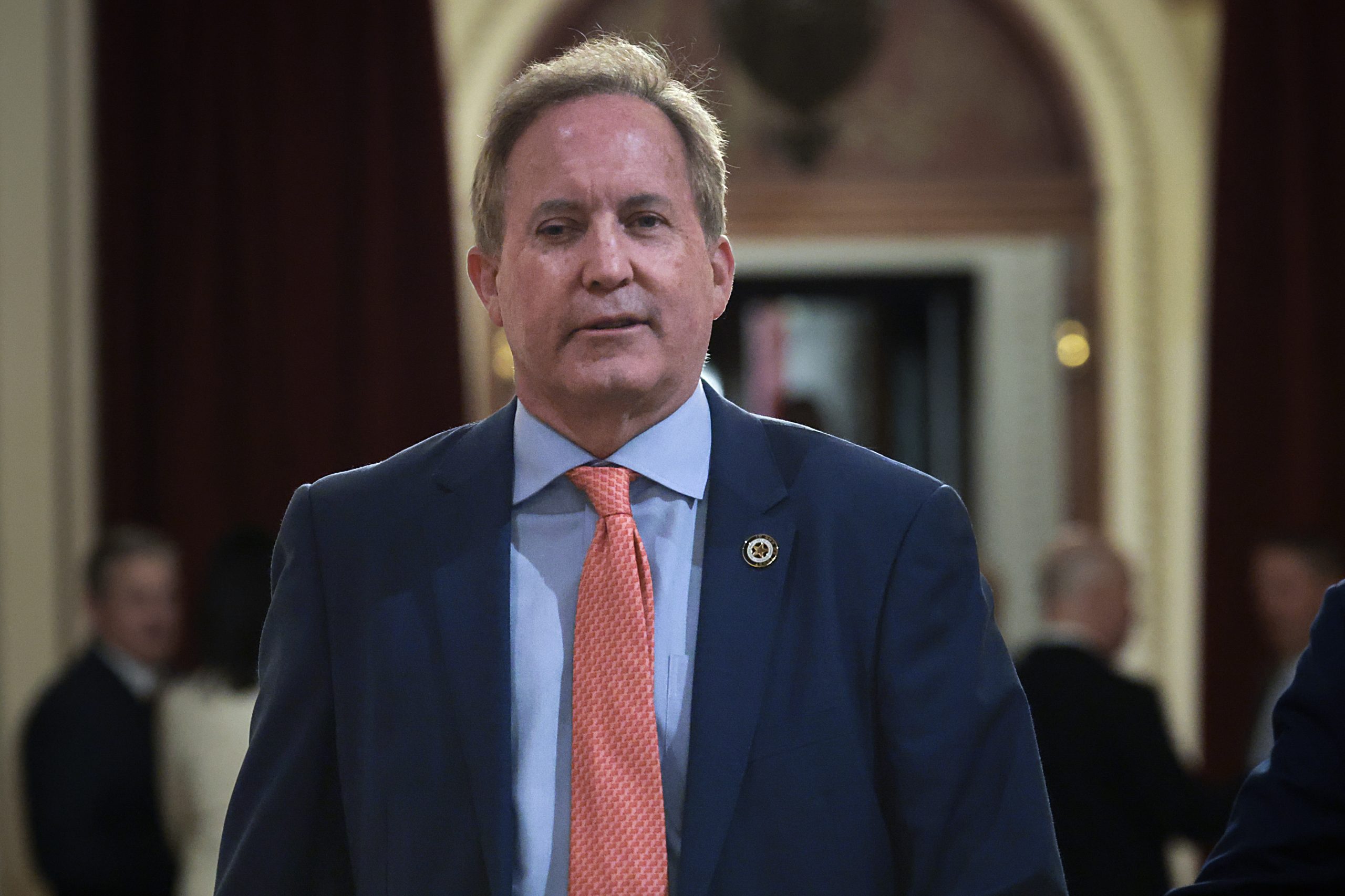
Texas Senate Race Heads to Runoff: Cornyn Faces Paxton Challenge
The Texas Republican primary for U.S. Senate concluded on Tuesday without a clear victor, setting the stage for a high-stakes runoff election between incumbent Senator John Cornyn and Texas Attorney General Ken Paxton. The result signals potential vulnerability for Cornyn, a seasoned senator, and underscores the growing influence of far-right ideologies within the Texas Republican electorate.
Cornyn’s Weakened Position
While Cornyn secured a plurality of the vote (approximately 43% at the time of reporting), he failed to reach the 50% threshold needed to avoid a runoff. Paxton garnered around 40% of the vote, a surprisingly strong showing that highlights dissatisfaction with Cornyn among a significant portion of Republican voters. The fact that a long-serving senator like Cornyn, first elected in 2002, couldn’t secure a decisive victory is a clear indication of challenges ahead. Traditionally, incumbents, especially those with Cornyn’s experience, are expected to easily defeat primary challengers.
Paxton’s Far-Right Appeal
Paxton’s strong performance is not just a reflection of anti-incumbent sentiment. It also points to the growing traction of a far-right legal movement within the Republican Party. This movement seeks to fundamentally alter the interpretation of the U.S. Constitution, moving away from the established liberal democratic theories that have shaped constitutional law for decades. Paxton, as a leading figure in this movement, clearly resonated with a considerable segment of the Texas Republican base. His success can be attributed to a broader national trend of conservative voters embracing more extreme positions, often fueled by distrust of established political figures and institutions.
What’s Next for Texas Republicans?
The runoff election between Cornyn and Paxton is now set for May 26th. Cornyn faces an uphill battle to retain his seat. He will need to consolidate support from more moderate Republicans and potentially appeal to independent voters. However, shifting too far from his conservative base could alienate the very voters he needs to win. Paxton, on the other hand, will likely double down on his appeal to the far-right, hoping to mobilize a motivated electorate. The outcome of this runoff will not only determine who represents Texas in the Senate but will also serve as a key indicator of the direction of the Republican Party in the state and beyond.
In conclusion, the Texas Senate primary has set the stage for a contentious and potentially transformative runoff election. The race between Cornyn and Paxton will be a closely watched bellwether for the future of the Republican Party and the ideological battles shaping American politics.
Based on materials: Vox



