
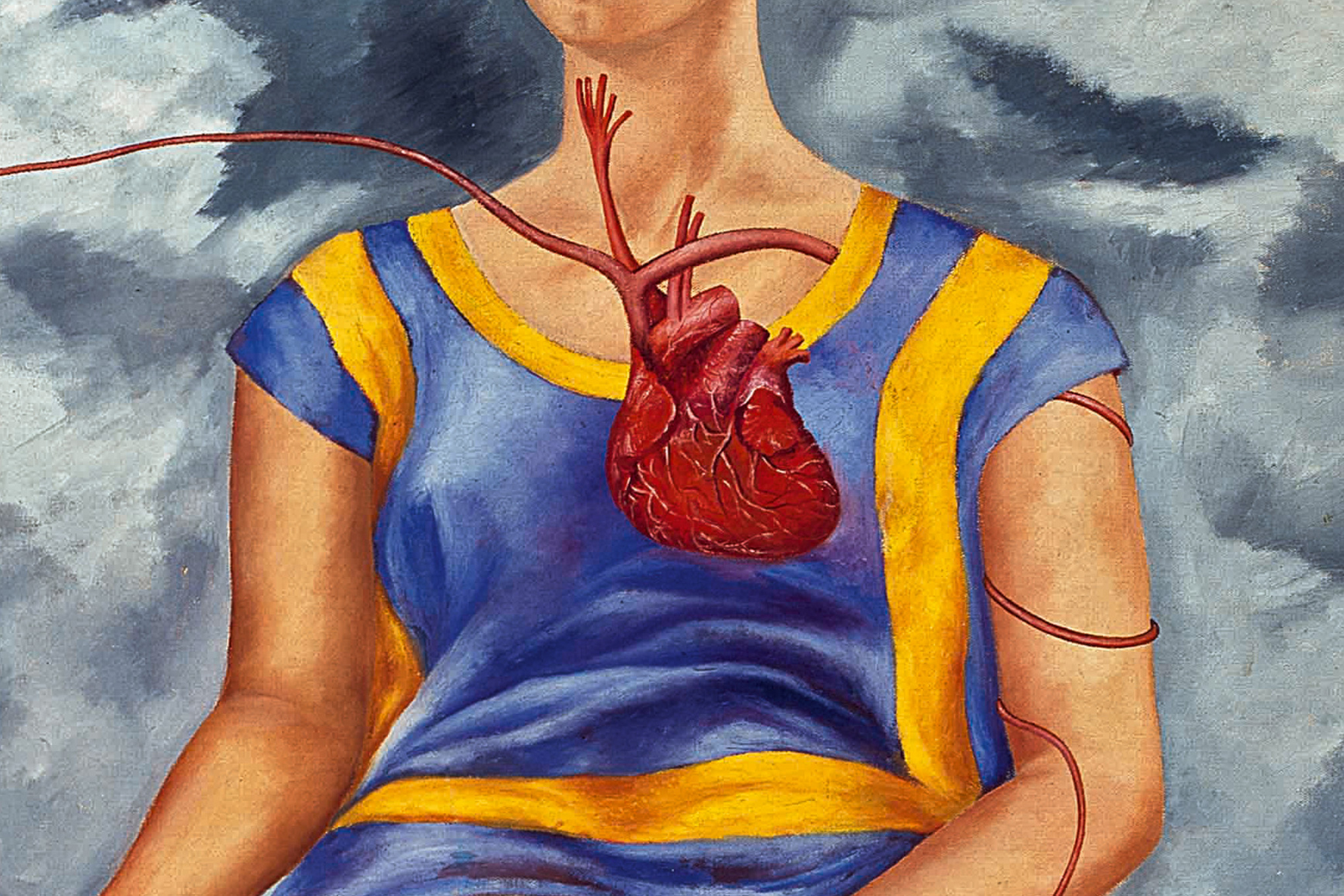
Heart Disease Surge: Young Women Face Growing Risk
For decades, heart disease has quietly remained the leading killer of cisgender women in America, and disturbing new projections suggest this trend is not only persisting but accelerating, particularly among younger women. While breast cancer awareness campaigns have successfully permeated public consciousness, the urgent need to raise awareness about heart disease in women remains a critical, yet often overlooked, public health crisis.
A Looming Crisis: Rising Rates in Younger Women
Recent projections paint a grim picture, estimating that over 22 million women in the U.S. will be affected by heart disease by 2050. The most alarming aspect of this forecast is the disproportionate increase anticipated among women aged 20 to 44. Heart attacks are proving increasingly fatal for adults under 55, with young women facing a particularly elevated risk, even in the absence of traditional risk factors. This suggests a complex interplay of factors beyond the usual suspects of high cholesterol, smoking, and obesity.
Awareness Lags Behind the Threat
Despite the escalating prevalence and severity of heart disease in women, public awareness appears to be waning. A 2020 American Heart Association survey revealed a concerning lack of recognition among U.S. women regarding heart disease as the leading cause of death. This disconnect between the reality of the threat and public perception underscores the urgent need for targeted educational initiatives. The “Go Red for Women” campaign, symbolized by the red dress, is a step in the right direction, but more comprehensive and sustained efforts are crucial.
Beyond Awareness: Addressing Underlying Factors
While raising awareness is essential, tackling the underlying factors contributing to this surge is equally vital. This includes further research into the unique ways heart disease manifests in women, especially younger women, and understanding the impact of factors like stress, hormonal changes, and autoimmune diseases. Furthermore, healthcare providers need to be better equipped to recognize atypical symptoms of heart disease in women, as these often differ from the classic chest pain experienced by men. Early detection and intervention are critical to improving outcomes and saving lives.
Conclusion
The rising tide of heart disease among young women demands immediate attention. By increasing awareness, funding research, and improving healthcare practices, we can work to reverse this alarming trend and protect the health of future generations. The time to act is now, before this silent killer claims even more lives.
Based on materials: Vox



