
Ocean Scrubbing: Can Tech Reverse Climate Change’s Tide?
The climate crisis has reached a critical juncture. Despite global efforts to curb emissions, scientists predict we’re barreling past the crucial 1.5 degrees Celsius warming threshold. While emissions growth may be slowing, the sheer volume of carbon dioxide already released necessitates a more radical approach: active carbon removal. Enter Captura, a company pioneering technology to extract CO2 directly from our oceans. Could this be a game-changer in the fight against climate change?
The Dire Need for Carbon Capture
The latest report from the United Nations’ Intergovernmental Panel on Climate Change (IPCC) paints a stark picture. Every viable scenario that avoids catastrophic warming requires significant carbon capture. Simply reducing emissions is no longer enough; we need to actively remove existing CO2 from the atmosphere. This realization has spurred innovation in various carbon capture technologies, including direct air capture and, more recently, ocean-based solutions. The ocean, a massive carbon sink, holds immense potential for carbon removal, and Captura is among the first to tap into this resource.
Captura’s Ocean-Based Solution
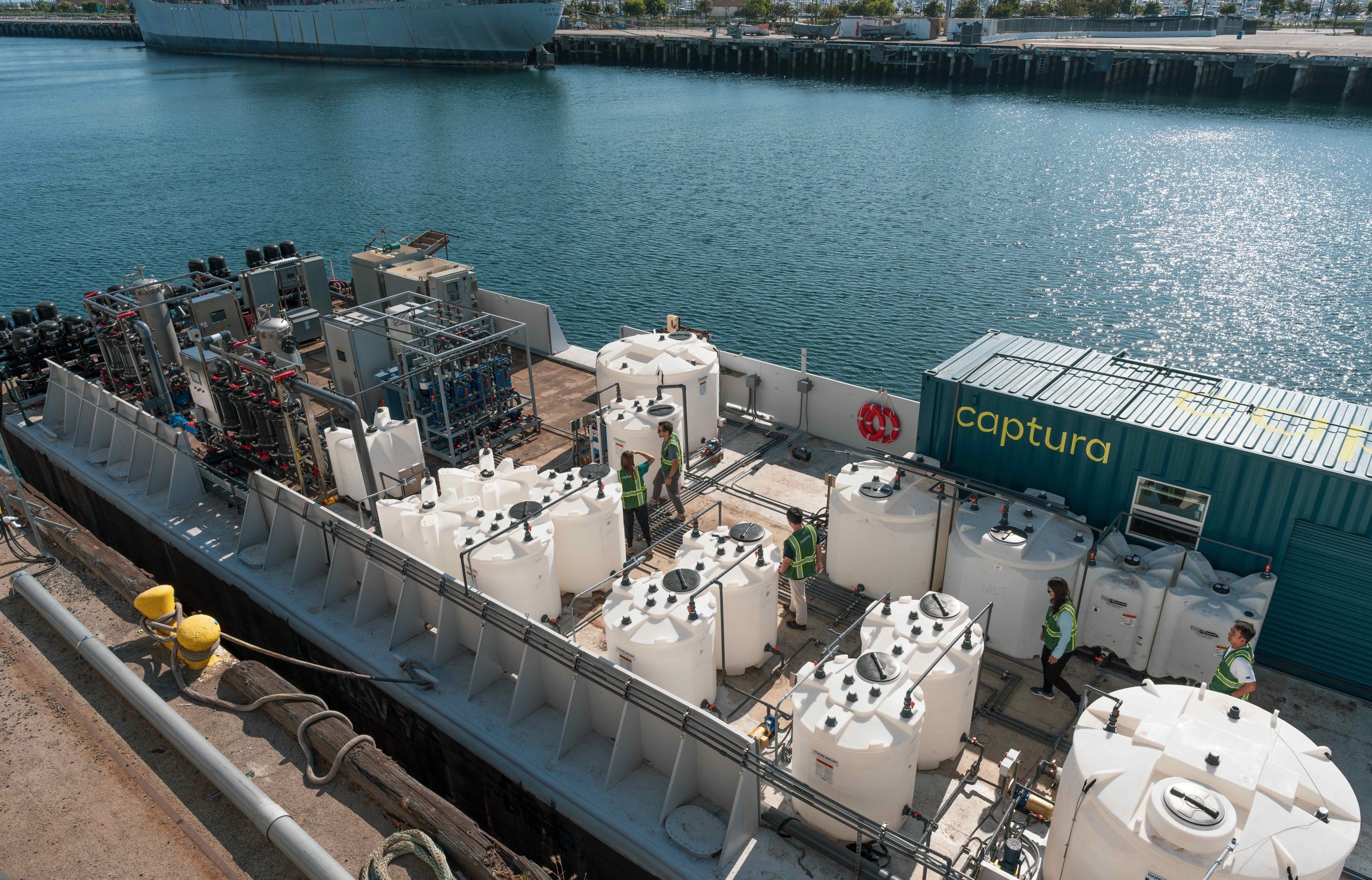
Captura has developed a system capable of extracting 100 tonnes of carbon dioxide from the ocean annually. While this is a relatively small-scale operation at present, it represents a significant step forward in demonstrating the viability of ocean-based carbon capture. The process involves filtering seawater and using specialized technology to isolate and extract the dissolved CO2. The captured carbon can then be stored permanently or utilized in various industrial processes, effectively preventing it from contributing to further warming.
Challenges and the Road Ahead
While promising, ocean-based carbon capture faces several challenges. Scaling up the technology to a globally impactful level requires significant investment and infrastructure development. Concerns about the environmental impact of large-scale ocean scrubbing also need careful consideration. Potential disruptions to marine ecosystems and the energy requirements of the extraction process are crucial factors to address. However, the urgency of the climate crisis demands exploration of all viable solutions. With further research, development, and responsible implementation, technologies like Captura’s could become a vital tool in our arsenal to combat climate change and safeguard the future of our planet.
Conclusion
As the world grapples with the escalating effects of climate change, innovative solutions like ocean-based carbon capture offer a glimmer of hope. Captura’s technology represents a bold step towards actively reversing the damage caused by decades of excessive carbon emissions. While significant hurdles remain, the potential benefits of large-scale carbon removal warrant continued investment and exploration. The future of our planet may depend on our ability to not only reduce emissions but also to actively scrub the seas and draw down the excess carbon that threatens our climate.
Based on materials: Vox



