
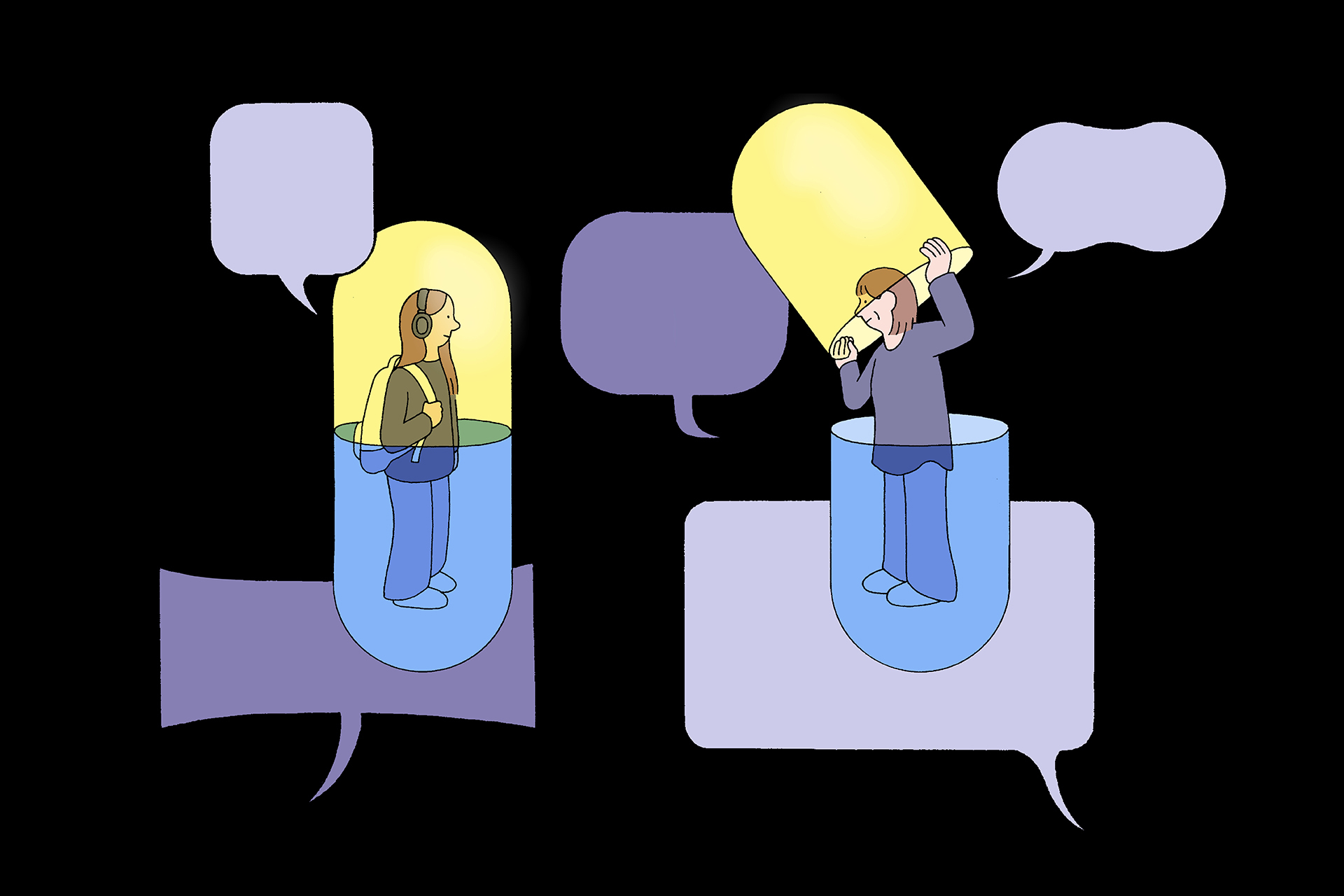
For millions navigating the complexities of mental health, antidepressants have become a vital tool. But what happens years down the line? The initial relief can give way to nagging questions: Is this medication still necessary? How would life feel without it? Is indefinite use the best course, or is it worth exploring a medication-free existence? These are the questions many long-term users grapple with, and often, the conversations with their healthcare providers fall short.
The Long-Term Antidepressant Dilemma
The dialogue surrounding long-term antidepressant use is often incomplete. Patients may find themselves years into their treatment plan without a clear understanding of the potential for tapering or the possibility of life without medication. This lack of comprehensive discussion can leave individuals feeling uncertain and even trapped. The reality is that mental health treatment is not a one-size-fits-all approach. While antidepressants can be life-saving, the long-term effects and the potential for dependency deserve careful consideration.
One major concern revolves around withdrawal symptoms. Selective Serotonin Reuptake Inhibitors (SSRIs), the most widely prescribed antidepressants, can cause uncomfortable withdrawal effects upon cessation. These symptoms can range from flu-like ailments and insomnia to anxiety and mood swings, making the idea of tapering daunting. The fear of these symptoms can discourage individuals from even considering reducing their dosage, even if they feel ready.
Navigating the Tapering Process
If you’re considering tapering off antidepressants, the most crucial step is to consult with your doctor. A gradual, carefully managed reduction in dosage is vital to minimize withdrawal symptoms. It’s a process that demands patience and open communication with your healthcare provider. This discussion should involve a realistic assessment of your current mental health, a plan for monitoring any potential relapse, and strategies for managing withdrawal symptoms.
Furthermore, it’s essential to consider alternative therapies and lifestyle changes that can support mental well-being. Therapy, mindfulness practices, regular exercise, and a healthy diet can all play a significant role in managing mood and reducing reliance on medication. The goal isn’t necessarily to eliminate medication entirely, but rather to find the most effective and sustainable approach to managing mental health.
Taking Control of Your Mental Health Journey
Ultimately, the decision to stay on or taper off antidepressants is a personal one. It requires honest self-reflection, open communication with your doctor, and a willingness to explore alternative strategies for managing your mental health. By engaging in these conversations and taking an active role in your treatment, you can empower yourself to make informed decisions that best support your well-being. Mental health is a journey, not a destination, and it’s important to continually re-evaluate your treatment plan to ensure it aligns with your evolving needs.
Based on materials: Vox



