
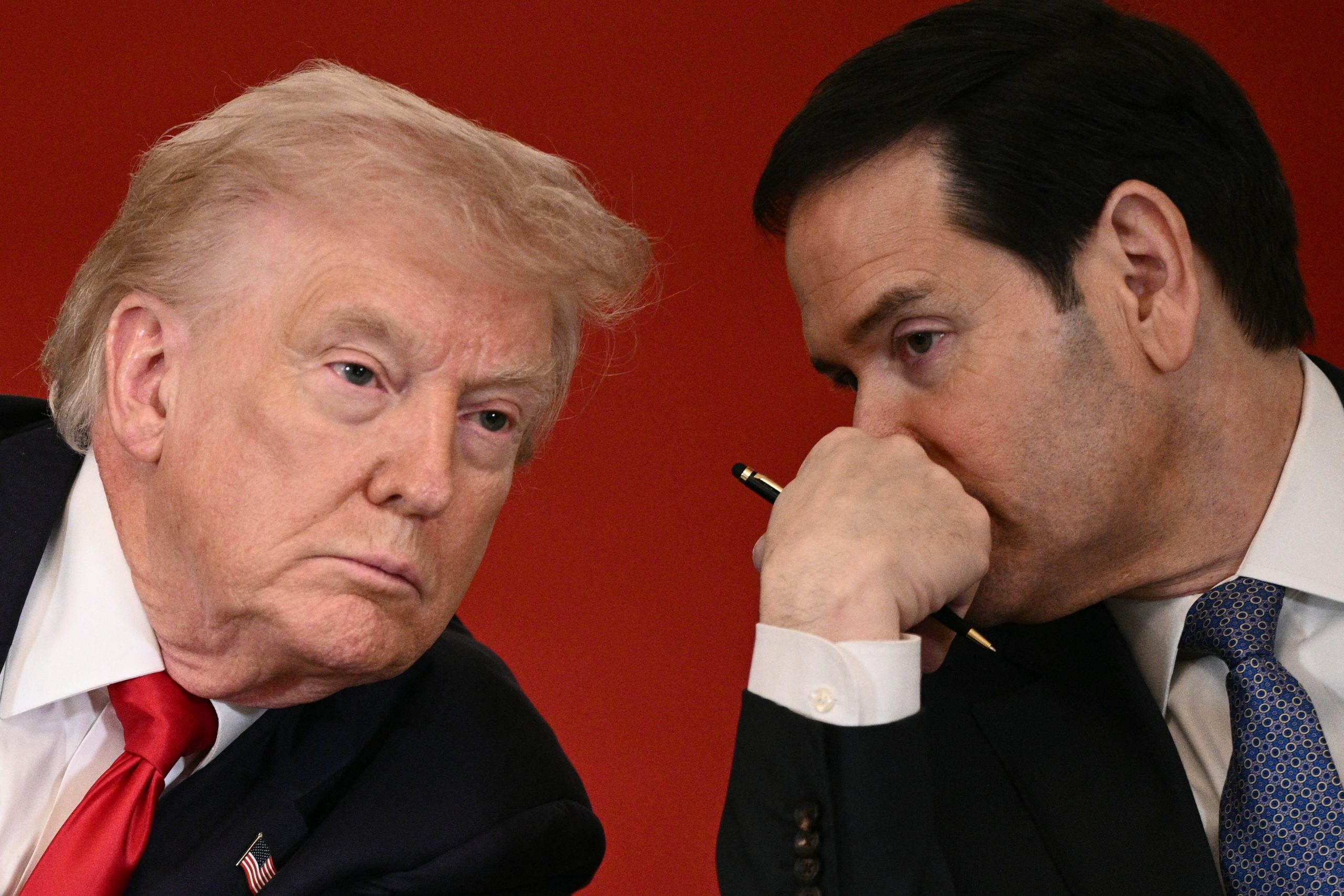
Trump Eyes Cuba: Regime Change on the Horizon in 2026?
President Donald Trump, emboldened by recent foreign policy actions, may be turning his attention to Cuba, hinting at a potential regime change in the island nation. This comes amidst a backdrop of already significant geopolitical shifts orchestrated by the Trump administration in early 2026, raising questions about the future of U.S.-Cuban relations and the stability of the region.
A Year of Assertive Foreign Policy
The opening months of 2026 have been marked by a series of assertive moves on the global stage. The Trump administration successfully ousted Venezuelan President Nicolas Maduro in January and initiated military action against Iran late the previous month. These actions signal a willingness to exert American influence and challenge existing power structures, setting the stage for potential intervention in Cuba.
When questioned about Cuba, President Trump told a reporter last week that the country is “going to fall pretty soon.” This statement, while characteristically blunt, suggests a calculated strategy and raises concerns about the potential for further destabilization in the region.
Why Cuba, and What’s Next?
The underlying reasons for Trump’s renewed focus on Cuba remain somewhat opaque, but likely stem from a combination of factors. These could include a desire to solidify his legacy as a strongman leader, pressure from influential figures within his administration who have long advocated for a harder line on Cuba, and perceived opportunities to exploit internal vulnerabilities within the Cuban government.
The potential ramifications of a U.S.-backed regime change in Cuba are significant. It could trigger a humanitarian crisis, exacerbate existing political tensions, and potentially lead to a renewed wave of Cuban migrants seeking refuge in the United States. Furthermore, it could further strain relations with other nations in the region, particularly those who view U.S. interventionism with suspicion.
Conclusion
President Trump’s recent statements regarding Cuba have ignited speculation about a potential shift in U.S. foreign policy. Given the administration’s track record of assertive interventions, the possibility of regime change in Cuba cannot be dismissed. The coming months will be crucial in determining the future of U.S.-Cuban relations and the broader geopolitical landscape of the Americas. Observers will be watching closely to see if Trump’s rhetoric translates into concrete action, and what the consequences of such actions might be.
Based on materials: Vox



