
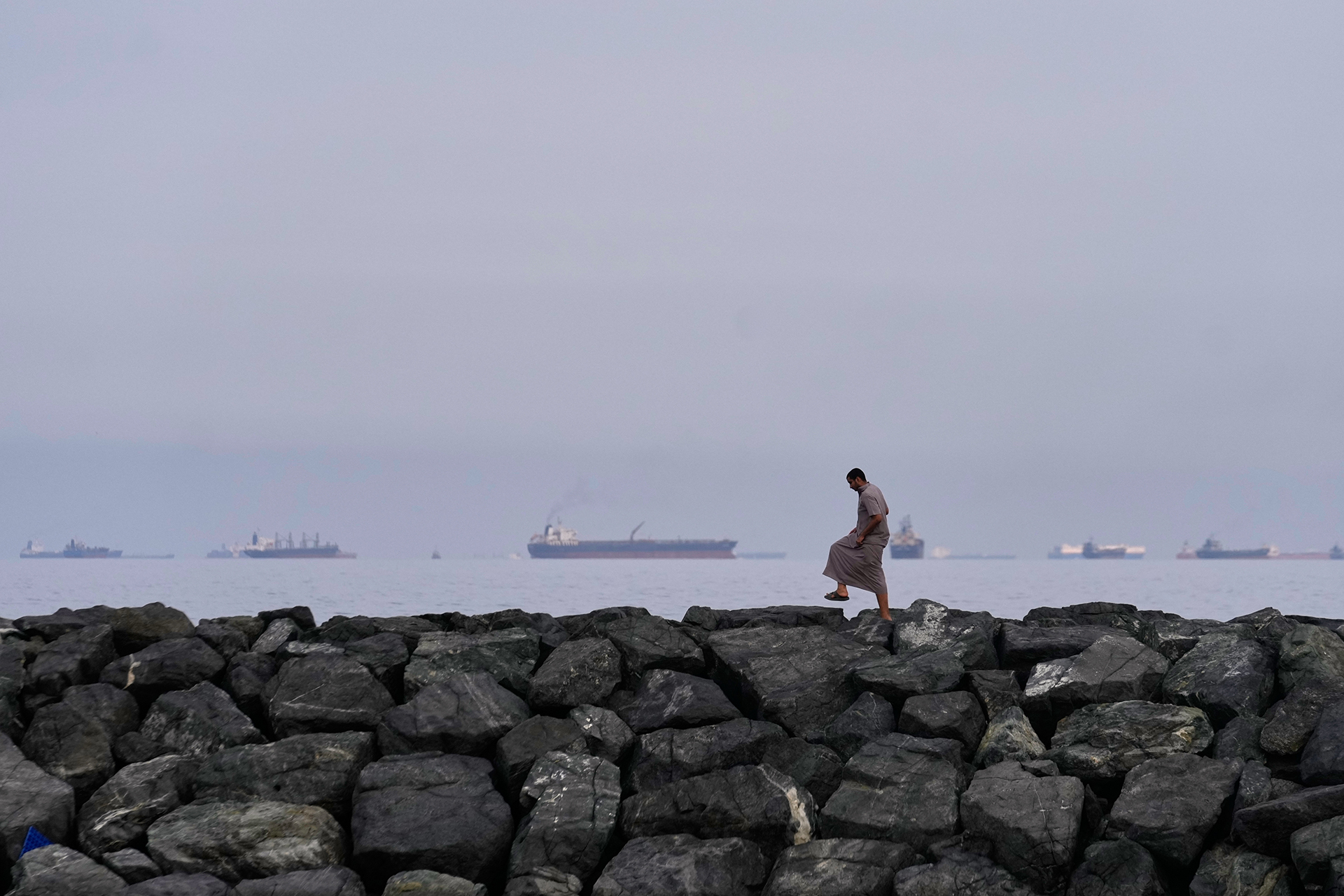
The world is teetering on the edge of a potential food crisis as escalating tensions in the Middle East disrupt vital shipping lanes. The Strait of Hormuz, a narrow waterway between Oman and Iran, has effectively been closed since early March, severing a crucial link in the global supply chain and sparking fears of widespread food shortages.
The Strait’s Strategic Importance
Prior to the closure, the Strait of Hormuz served as the primary maritime route connecting the Persian Gulf’s rich resources to the rest of the world. A constant stream of ships, laden with everything from oil to grain, traversed the channel daily. Its strategic importance cannot be overstated; any disruption to this flow sends ripples throughout the global economy. The recent closure, triggered by military strikes led by the US and Israel, has brought this reality into sharp focus. Iran’s warning that any ships attempting passage would be fired upon has effectively choked off the waterway.
Attacks and Stranded Vessels
Since the closure, reports of attacks on vessels attempting to navigate the Strait have surfaced, with ships being set ablaze. Hundreds of tankers are now stranded, unable to deliver their cargo. The human cost has also been significant, with at least 1,800 people reported killed in the escalating conflict.
A Looming Food Crisis
The consequences of this disruption extend far beyond the immediate region. The Strait of Hormuz is a critical artery for global food trade, particularly for grain and other essential commodities. With the waterway closed, the supply of these goods is severely constrained, leading to concerns about price spikes and potential shortages in import-dependent nations. This situation exacerbates existing vulnerabilities in the global food system, already strained by climate change and geopolitical instability. Countries reliant on imports from the Persian Gulf region face the most immediate threat, but the impact is likely to be felt worldwide as supply chains are disrupted and prices rise.
Conclusion
The closure of the Strait of Hormuz represents a significant threat to global food security. The escalating conflict in the region demands immediate diplomatic attention to de-escalate tensions and restore the free flow of maritime traffic. Failure to do so could trigger a humanitarian crisis of unprecedented scale, impacting vulnerable populations around the globe. The world must act swiftly to avert a looming food catastrophe.
Based on materials: Vox



