
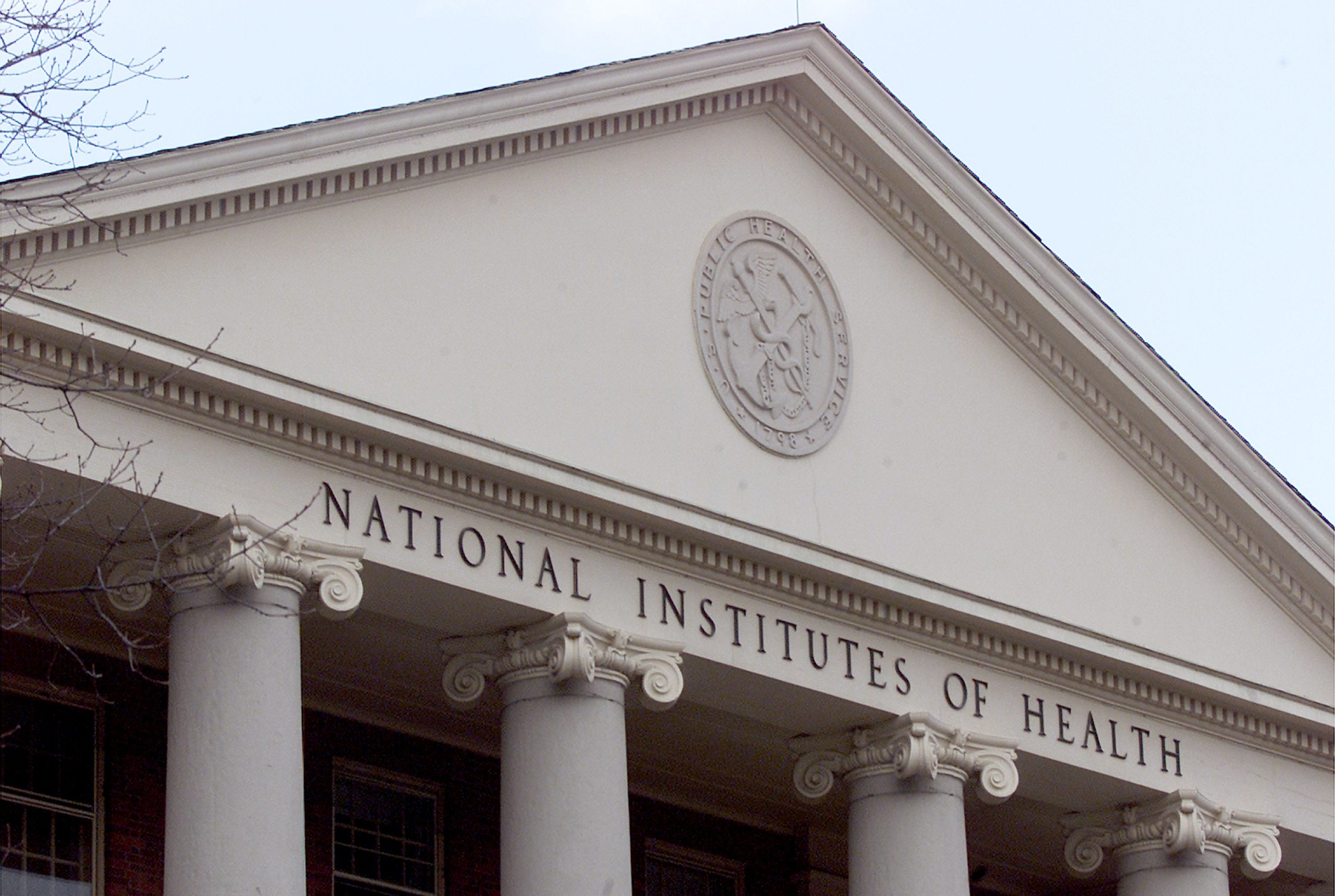
U.S. Slashing of Health Research Grants Sparks Alarm
The future of medical breakthroughs in the United States is facing a significant threat as new data reveals a dramatic decline in government funding for vital research initiatives. The National Institutes of Health (NIH) has released figures indicating a sharp reduction in the number of new grants awarded in 2024, impacting research into diseases ranging from cancer and Alzheimer’s to mental health disorders. This contraction raises serious concerns about the pace of medical progress and the nation’s ability to address pressing health challenges.
Deep Cuts Across Critical Research Areas
The NIH data paints a stark picture of the breadth of the funding cuts. Research grants focused on Alzheimer’s disease and aging, for example, were slashed by nearly half, dropping from 369 in 2023 to a mere 177 in 2024. This is particularly alarming given the rapidly aging U.S. population and the growing burden of age-related illnesses. Mental health research also experienced significant setbacks, with fewer grants allocated to understanding and treating conditions affecting millions of Americans. The report indicates that cancer and diabetes research also suffered large funding deficits.
Impact on Future Breakthroughs
Government funding through agencies like the NIH has historically been the bedrock of medical innovation in the United States. These grants fuel the basic research that leads to the development of new diagnostics, treatments, and preventive measures. The current cuts threaten to stifle this progress, potentially delaying or even preventing breakthroughs that could save lives and improve the quality of life for countless individuals. The consequences could be felt for years to come, as promising research projects are put on hold and talented scientists are forced to seek funding elsewhere.
A Call to Action
The reduction in NIH funding represents a critical turning point for medical research in the U.S. It is imperative that policymakers, researchers, and the public recognize the long-term implications of these cuts and take action to address them. Increased investment in medical research is not merely an expenditure; it is an investment in the health and well-being of future generations. Without sustained funding, the promise of medical innovation will remain unfulfilled, and the nation will face increasing challenges in combating the diseases that threaten its citizens.
SOURCE: Vox
Based on materials: Vox



