
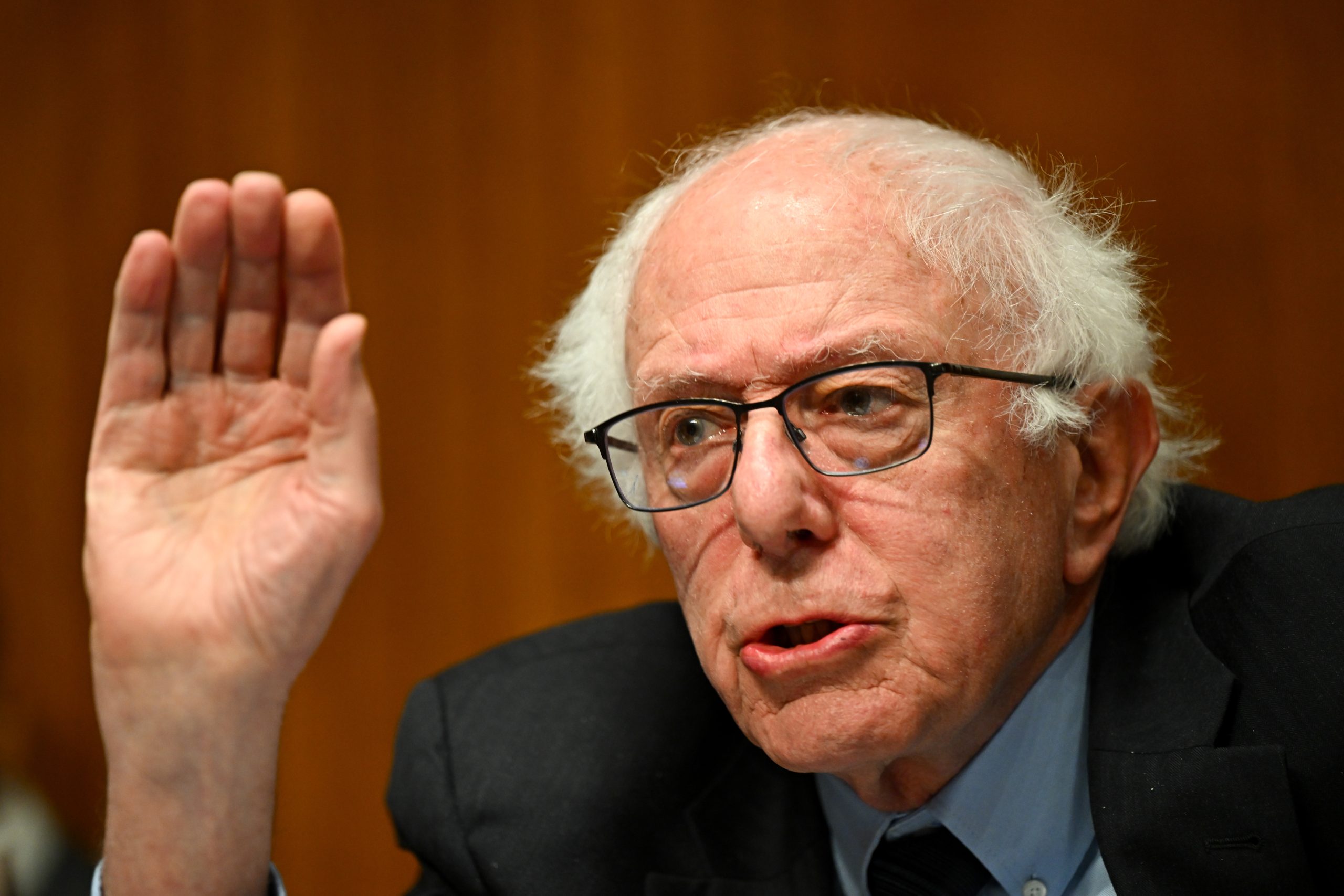
Sanders’ Billionaire Tax: A $3,000 Check for You?
Senator Bernie Sanders, a long-time advocate for policies aimed at wealth redistribution, has once again ignited the debate over taxing the ultra-rich. This time, he’s partnered with Representative Ro Khanna to propose the “Make Billionaires Pay Their Fair Share Act,” a wealth tax targeting the wealthiest Americans. The proposal has sparked considerable discussion about its potential impact on the economy and its feasibility.
The Mechanics of the Wealth Tax
The proposed legislation outlines a 5% annual tax on the net worth of individuals exceeding $1 billion. This would target approximately 930 of the wealthiest Americans, representing the very pinnacle of the nation’s wealth distribution (the top 0.01%). To put this into perspective, under this plan, Elon Musk would face an estimated annual tax bill of around $42 billion, while Mark Zuckerberg’s bill would be closer to $11 billion.
The implications of such a tax are significant. It would not only generate substantial revenue but also potentially reshape the landscape of wealth accumulation in the United States. Proponents argue it’s a necessary step to address income inequality, while opponents raise concerns about its potential impact on investment, innovation, and capital flight.
Funding the American Dream (or at Least a $3,000 Check)
Sanders envisions the revenue generated by this wealth tax being channeled directly back to American households. In the first year, his proposal suggests distributing $3,000 to every American in a household earning $150,000 or less. Subsequent revenue would be allocated to tackling pressing issues facing working families, such as healthcare, education, and affordable housing.
This direct payment approach is designed to provide immediate relief to a large segment of the population, addressing concerns about economic hardship and financial insecurity. It also serves as a powerful political message, highlighting the potential benefits of taxing the wealthy. However, critics question the long-term sustainability of such a program and its potential impact on the national debt.
A Political Battleground
The “Make Billionaires Pay Their Fair Share Act” is likely to face significant opposition in Congress. Republicans, and even some moderate Democrats, have historically opposed wealth taxes, citing concerns about their complexity, enforceability, and potential negative effects on the economy. The debate surrounding this proposal will undoubtedly become a focal point in the ongoing discussion about income inequality, economic policy, and the role of government in addressing social challenges. It highlights the starkly different visions for the future of the American economy and the appropriate balance between individual wealth accumulation and societal well-being.
In conclusion, Senator Sanders’ billionaire tax proposal is more than just a policy idea; it’s a statement. It challenges the status quo and forces a conversation about wealth distribution in America. Whether it becomes law is uncertain, but its impact on the political landscape is undeniable.
Based on materials: Vox



