
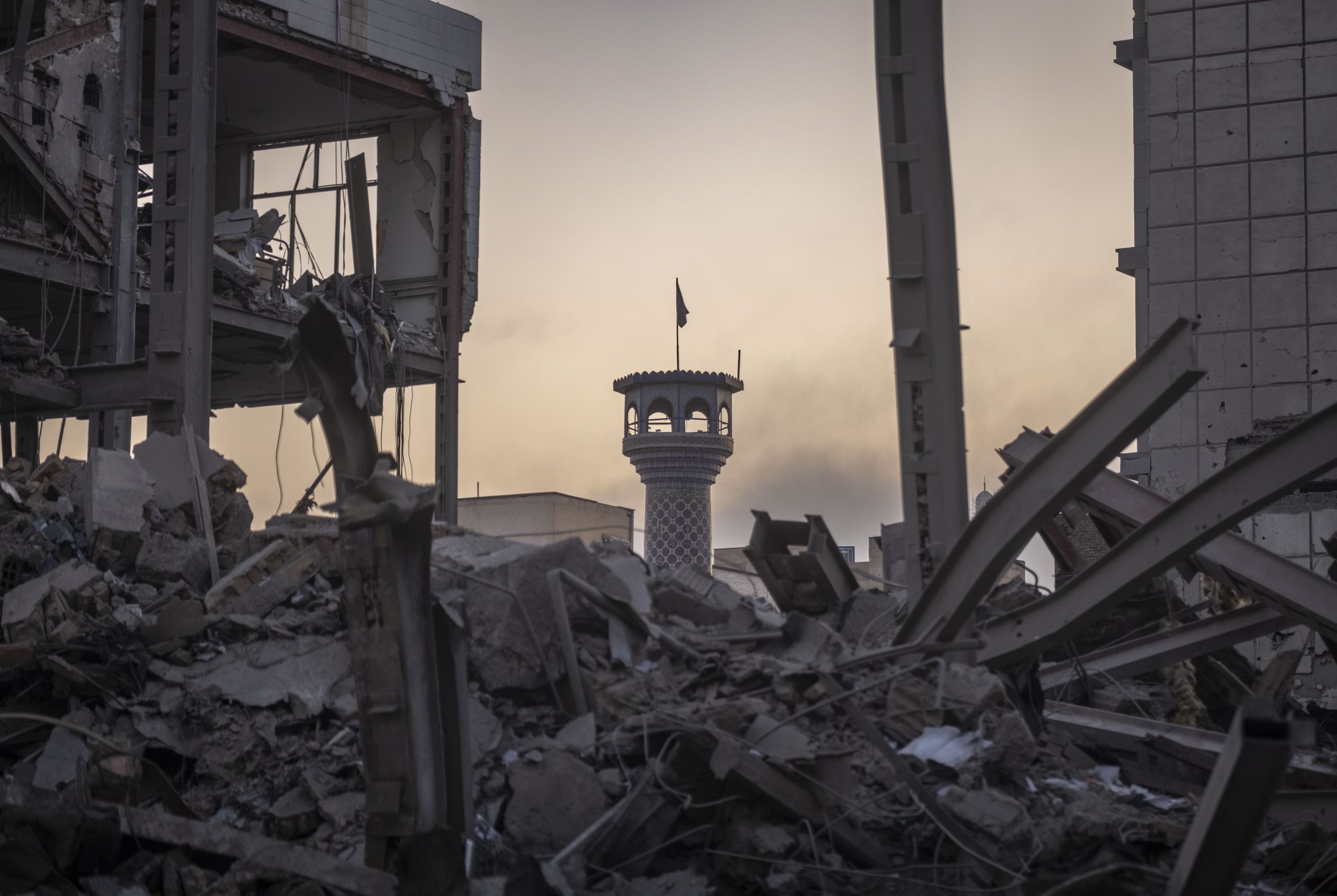
Iran at a Crossroads: Between Uprising, War, and Silence
Iran finds itself caught in a vise of internal dissent and external threat, leaving its citizens facing impossible choices. The recent escalation of tensions, marked by American and Israeli strikes, has compounded the already fragile state of a nation grappling with the aftermath of its largest-ever uprising against the Islamic Republic.
A Name, a Face, a Disappearance
The author highlights the personal connection to the crisis through the story of Roya Rastegar, a 33-year-old woman from Isfahan who shares the author’s name. Roya was arrested in January during a security force raid and has been missing ever since. This personal anecdote underscores the human cost of the political turmoil, illustrating the pervasive fear and uncertainty that grips Iranian society. The daily ritual of checking Signal and Telegram for news of loved ones has become a stark reminder of the precariousness of life in Iran.
Uprising and Retribution
The seeds of the current crisis were sown in the widespread protests against the theocratic regime. For months, Iranians took to the streets to express their discontent with the government’s policies, economic mismanagement, and lack of personal freedoms. These protests, though ultimately suppressed, revealed the deep-seated resentment simmering beneath the surface of Iranian society. The government’s response was swift and brutal, with security forces cracking down on dissent and arresting thousands of protesters, including Roya Rastegar. The subsequent American and Israeli strikes further destabilized the country, creating a volatile environment where ordinary citizens are caught in the crossfire.
An Impossible Choice
The Iranian people now face an agonizing dilemma. They must navigate the dangers of living under an oppressive regime while also contending with the threat of external military intervention. Many Iranians fear that the strikes will only strengthen the government’s grip on power, allowing it to justify its repressive policies in the name of national security. Others worry that any form of resistance could be interpreted as collaboration with foreign powers, leading to even harsher consequences. This leaves them with an impossible choice: remain silent and endure the status quo, or risk everything by speaking out against the government.
Conclusion
The situation in Iran is a complex and tragic one. The country is at a critical juncture, facing both internal and external pressures that threaten to plunge it further into chaos. As the world watches, the fate of the Iranian people hangs in the balance, their voices silenced, their futures uncertain. The story of Roya Rastegar serves as a poignant reminder of the human cost of political conflict, highlighting the urgent need for a peaceful resolution to the crisis.
Based on materials: Vox



