
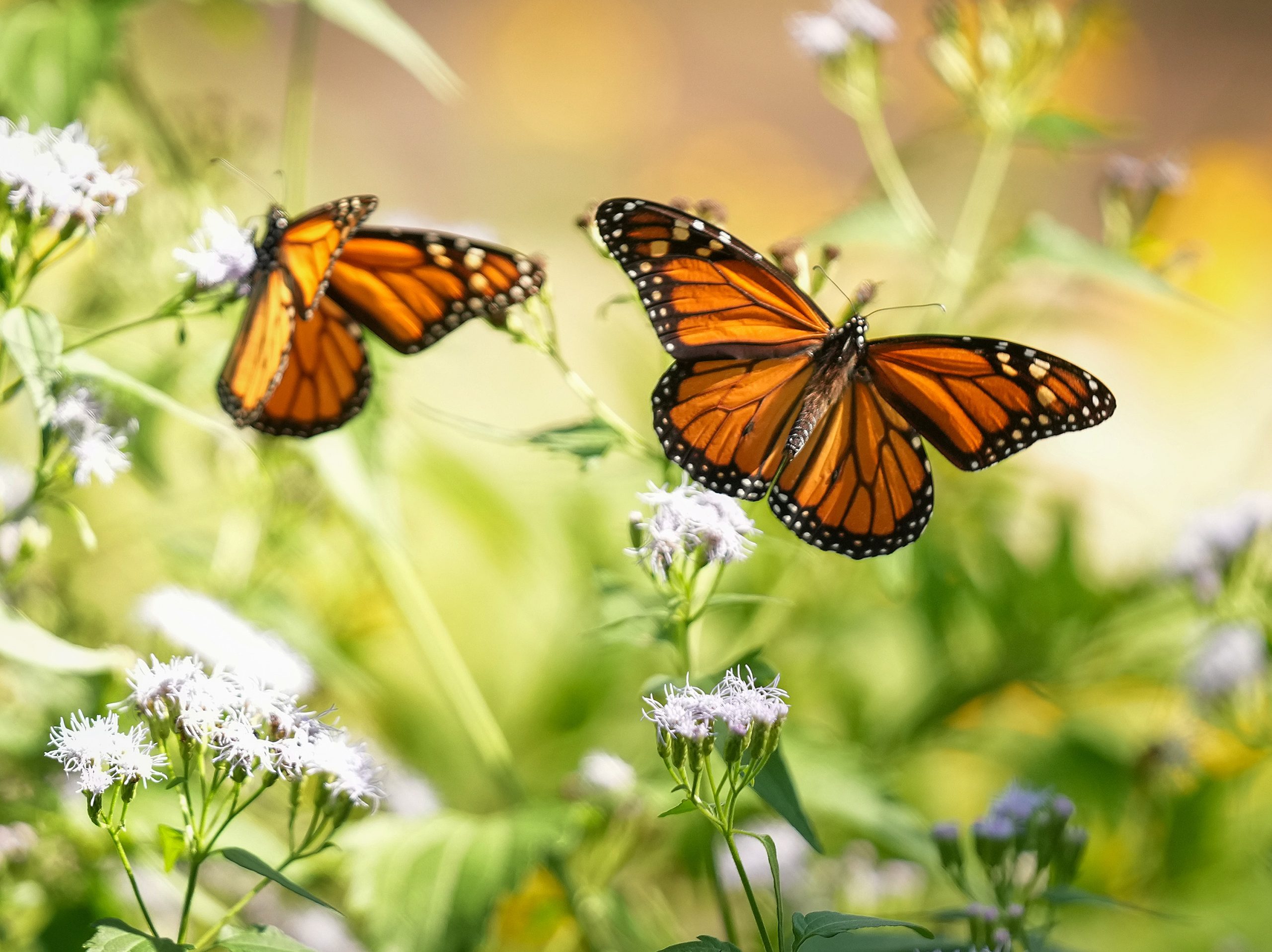
Monarchs May Be Making a Comeback: New Data Shows Stabilization
For decades, the iconic monarch butterfly, a symbol of natural beauty and delicate ecosystems, has faced a grim outlook. Plunging populations sparked fears of extinction, casting a shadow over the future of these vibrant insects. However, recent data offers a tentative reason for optimism: the dramatic decline in the eastern monarch population, the largest in the world, appears to have halted.
Each autumn, millions of monarchs east of the Rocky Mountains embark on an awe-inspiring migration to a specific forested region in central Mexico. These delicate creatures, weighing barely more than a feather, congregate in such vast numbers that they blanket the trees, their combined weight causing branches to sag. Researchers meticulously monitor these overwintering sites, measuring the area of forest occupied by the butterflies as an indicator of the overall population size.
A Halt to the Decline: What the Data Shows
WWF Mexico, a prominent conservation organization, has compiled data suggesting a stabilization of the eastern monarch population. While this doesn’t signal a complete recovery, it indicates a crucial turning point. For years, the trend was relentlessly downward, fueled by habitat loss, climate change, and pesticide use. The halt to this decline suggests that conservation efforts, though perhaps not reversing the damage entirely, are having a measurable impact.
This positive news arrives despite the increasing challenges monarchs face throughout their migratory range. Habitat destruction continues, with deforestation and agricultural expansion encroaching on vital breeding and overwintering grounds. Climate change is disrupting weather patterns and altering the availability of milkweed, the sole food source for monarch caterpillars. The continued use of pesticides, particularly neonicotinoids, poses a direct threat to the butterflies’ survival.
Hope and Continued Efforts are Needed
The stabilization of the eastern monarch population is undoubtedly a welcome development. It underscores the resilience of nature and the potential for positive change through dedicated conservation work. However, it is crucial to recognize that the monarchs are far from out of danger. The population remains vulnerable, and continued, intensified efforts are essential to ensure their long-term survival.
This encouraging news should serve as a call to action, galvanizing individuals, organizations, and governments to redouble their commitment to monarch conservation. Protecting and restoring habitat, reducing pesticide use, and addressing climate change are all vital steps in securing a future for these magnificent creatures. While the journey to full recovery may be long and arduous, this glimpse of hope proves that positive change is possible.
Based on materials: Vox



