
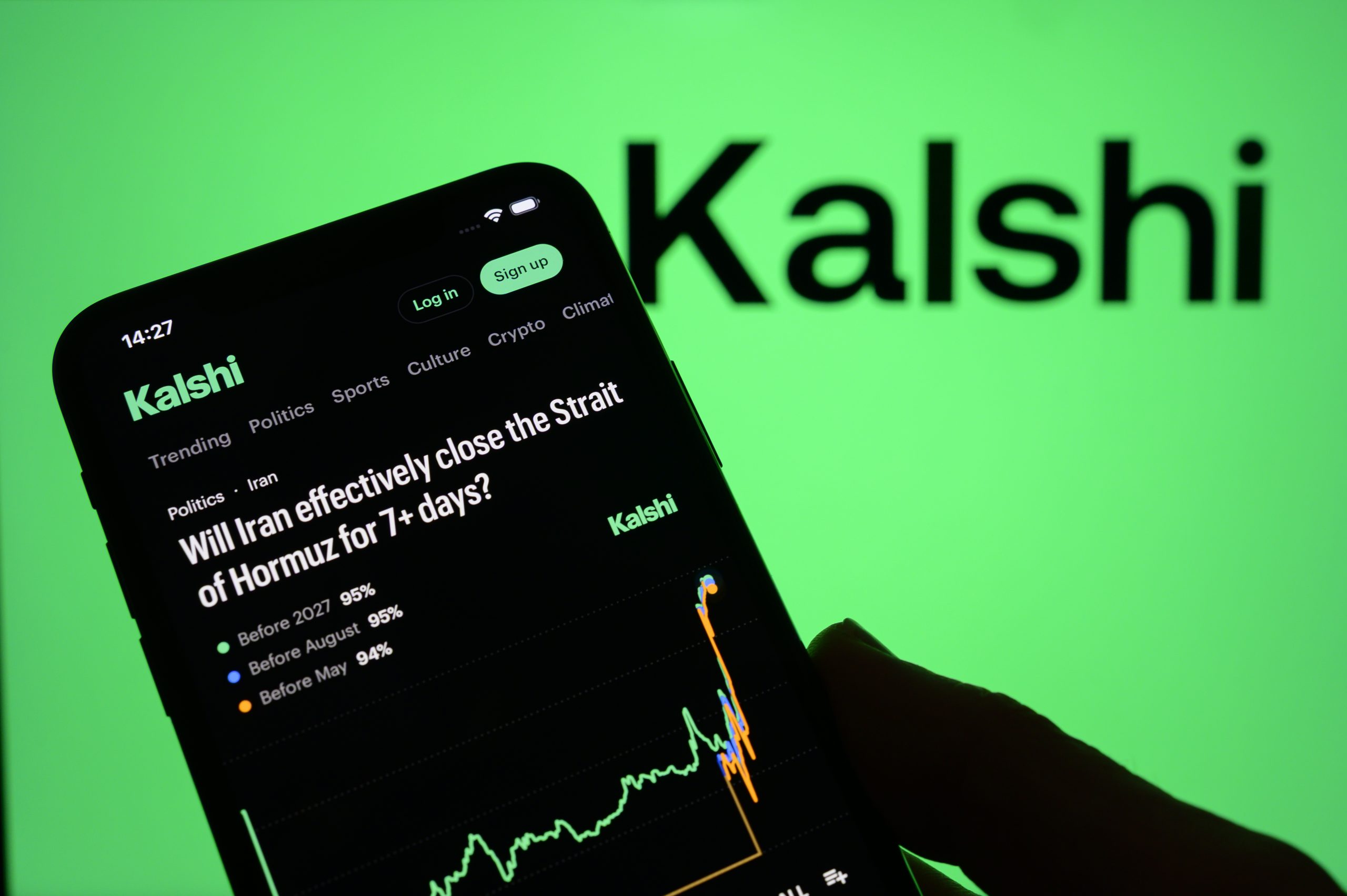
Conflict Capital: Prediction Markets See Surge in Iran Bets
The recent tensions involving Iran have not only dominated headlines but have also fueled a surge in activity on prediction markets like Polymarket and Kalshi. While geopolitical analysts were busy dissecting the potential ramifications of the conflict, others were wagering significant sums, attempting to profit from predicting the unfolding events. This raises ethical questions about profiting from conflict, highlighting the complex intersection of finance and global affairs.
From Bombs to Leaders: What Were People Betting On?
The range of bets placed on these platforms was extensive, reflecting the uncertainty surrounding the situation. Users were wagering on potential timelines for military action, speculating about target locations, and even predicting the future of Iranian leadership. One notable market focused on whether Iranian Supreme Leader Ayatollah Ali Khamenei would leave office before March 1st. The intense activity surrounding these bets underscores the high stakes and the potential for substantial financial gain, or loss, based on accurately forecasting geopolitical developments.
The Ethics of Prediction: A Fine Line?
The rise of prediction markets in relation to global events presents a complex ethical dilemma. While proponents argue that these markets can provide valuable insights into potential outcomes and reflect collective intelligence, critics raise concerns about the potential for exploitation and the moral implications of profiting from human suffering. Kate Knibbs, a senior writer for Wired, aptly noted the wide variety of bets available on platforms like Polymarket. The question remains: where does one draw the line between informed speculation and morally questionable profiteering?
Conclusion: A New Era of Geopolitical Gambling?
The activity on prediction markets surrounding the Iran conflict serves as a stark reminder of the increasing financialization of global events. While these platforms may offer a unique perspective on geopolitical forecasting, they also raise profound ethical questions about the role of speculation in times of crisis. As prediction markets continue to evolve, it is crucial to consider the potential implications of turning global events into betting opportunities. This emerging trend demands careful scrutiny and a broader discussion about the ethics of profiting from uncertainty and conflict.
Based on materials: Vox



