
Trump-Era Tariffs Deemed Illegal: Small Businesses Rejoice?
A recent ruling has declared tariffs imposed during the Trump administration illegal, sparking a wave of discussion about potential refunds and the broader implications for businesses, particularly small enterprises that bore the brunt of these taxes. While the legal ramifications unfold, the question on many minds is: what does this mean for the future of international trade and the economy?
The Penguin Pitcher and the Tariff Tightrope
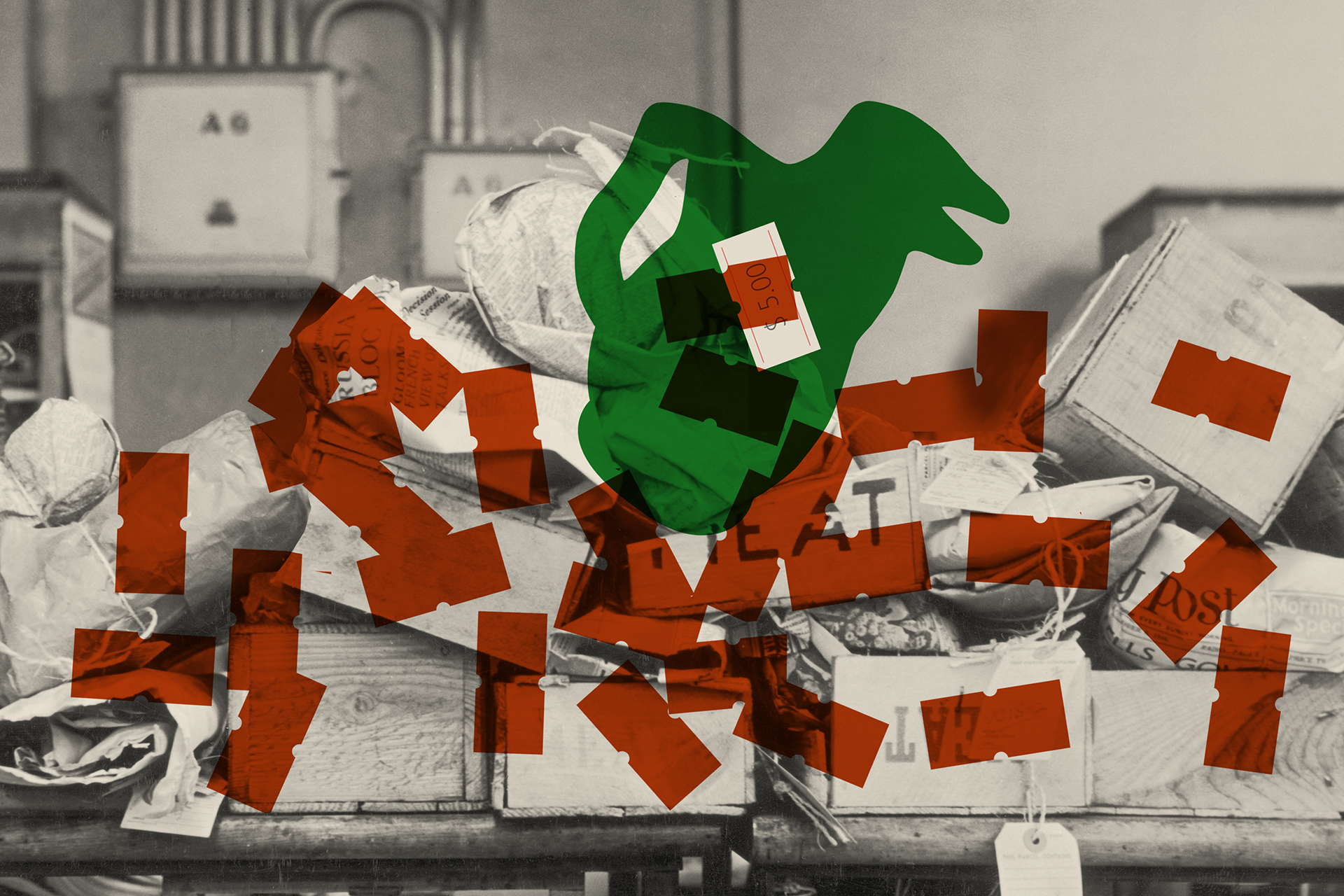
The story begins with a seemingly innocuous purchase: a ceramic penguin pitcher, a “pingüino,” sourced from Argentina. This quirky item, a staple in Buenos Aires bars, became a symbol of the uncertainty surrounding international trade during the period when the Trump administration eliminated the de minimis exemption. This exemption had previously allowed tax-free import of shipments valued under $800. The author, anticipating a potential tax hurdle, navigated the import process with bated breath, ultimately receiving the penguin without incurring customs duties.
This personal anecdote highlights a much larger issue: the impact of tariffs on small businesses. While a single penguin pitcher might not seem significant, the cumulative effect of these tariffs on numerous small businesses attempting to import goods could be substantial. The de minimis rule change, intended to protect domestic industries and generate revenue, added complexity and cost to international transactions, especially for smaller enterprises lacking the resources to navigate complex customs procedures.
A Win for Small Businesses, But What’s Next?
The declaration that these tariffs were illegal offers a potential lifeline to businesses that struggled under their weight. The prospect of refunds could provide a much-needed boost to their bottom lines, allowing them to reinvest in their operations and potentially expand. However, the process of claiming these refunds may be complex and time-consuming, requiring businesses to meticulously document their past import transactions.
Beyond the immediate financial relief, this ruling raises questions about the future of US trade policy. Will this decision lead to a reevaluation of tariff strategies and a greater emphasis on free trade agreements? Or will the government find new ways to protect domestic industries while minimizing the burden on small businesses? The answers to these questions will have a significant impact on the global economy and the competitiveness of American businesses in the international marketplace.
Conclusion
The illegal status of the Trump-era tariffs represents a potential turning point for small businesses engaged in international trade. While the path to recovery and reimbursement may be challenging, this ruling offers a glimmer of hope and a chance to rebalance the playing field. The long-term implications for US trade policy remain to be seen, but the impact on small businesses is undeniable. It’s a reminder that even seemingly minor changes in trade regulations can have significant consequences for businesses and consumers alike.
Based on materials: Vox



