
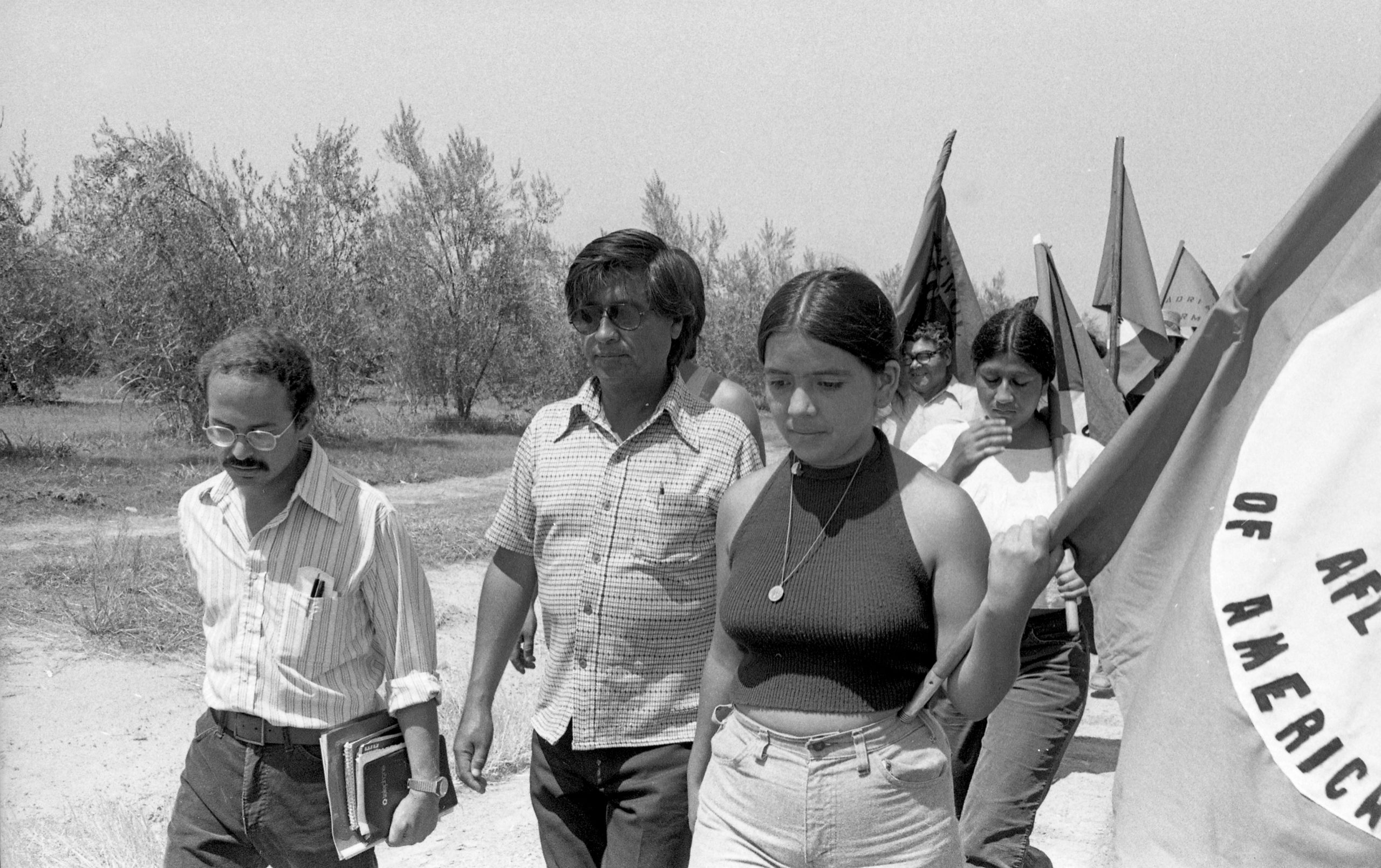
Cesar Chavez’s Legacy Reexamined Amid Abuse Allegations
Cesar Chavez, the iconic leader of the United Farm Workers (UFW) and a towering figure in the Latino activism and labor movements of the 1960s, is facing a critical reassessment of his legacy. While countless streets, parks, and schools across the nation bear his name, and a holiday on March 31st commemorates his life, recent revelations have cast a long shadow over his celebrated image.
The controversy stems from a harrowing New York Times report detailing allegations of sexual abuse against two young girls, Debra Rojas and Ana Murguia. Their public accounts have ignited a debate about how to reconcile Chavez’s contributions to social justice with these disturbing accusations.
California Considers Name Change Amid Controversy
The immediate impact of these allegations is already being felt. In California, Chavez’s birth state and a place deeply connected to his activism, lawmakers have announced plans to rename Cesar Chavez Day to Farmworkers Day. This move, likely to be followed by other states and municipalities, reflects a growing unease with honoring an individual accused of such grave offenses.
This potential shift raises a crucial question: how do we balance the recognition of Chavez’s undeniable impact on farmworkers’ rights with the need to acknowledge and address the harm he allegedly inflicted? It’s a complex dilemma that requires a nuanced approach, one that neither erases his contributions nor ignores the voices of his accusers.
A Broader Reflection on Historical Figures
The situation with Cesar Chavez mirrors similar reevaluations happening across the country, as society grapples with the problematic aspects of historical figures. From Christopher Columbus to Thomas Jefferson, the legacies of prominent individuals are being scrutinized through a more critical lens.
This process, while often uncomfortable, is essential for a more honest and complete understanding of history. It compels us to acknowledge the complexities of human nature and to recognize that even those who have made significant contributions to society are not immune to flaws and even reprehensible behavior.
Conclusion: A Legacy in Question
The allegations against Cesar Chavez present a painful challenge. While his contributions to the farmworkers’ movement remain significant, the accusations of abuse demand serious consideration. The renaming of Cesar Chavez Day in California, and potentially elsewhere, signals a shift in how his legacy will be remembered. Moving forward, a balanced and critical perspective is necessary, one that acknowledges both his achievements and the disturbing allegations against him, ultimately leading to a more nuanced understanding of a complex and controversial figure.
Based on materials: Vox



