
The world is grappling with soaring oil prices, a crisis visibly impacting consumers at the gas pump. Since the US and Israel reportedly launched strikes on Iran in late February, Brent crude oil has spiked dramatically, briefly exceeding $119 a barrel in mid-March. This surge has translated to record-high gasoline prices for consumers, from California to Japan. The International Energy Agency (IEA) responded with an unprecedented release of 400 million barrels from strategic petroleum reserves in an attempt to stabilize the market. But the energy crisis is only half the story. An equally concerning, though less publicized, threat is brewing in the Strait of Hormuz.
A Vital Trade Route Under Pressure
For the past three weeks, the Strait of Hormuz, a critical waterway connecting the Persian Gulf to the Gulf of Oman and the Arabian Sea, has been effectively closed to commercial shipping linked to Western allies. While the oil price surge highlights the region’s importance to energy markets, the Strait’s strategic significance extends far beyond petroleum.
Fertilizer Supply Chain at Risk
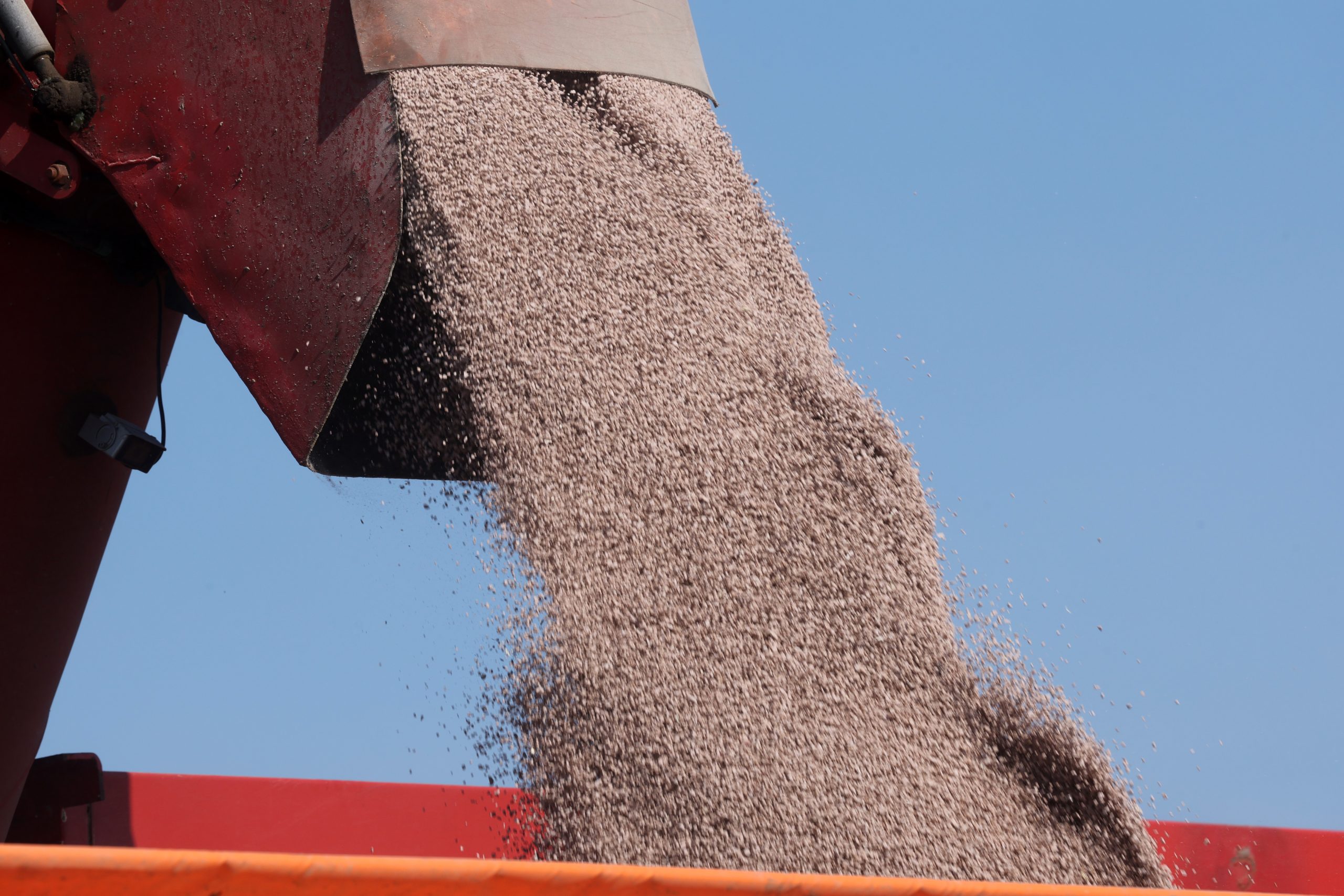
The Strait of Hormuz is a critical artery for global trade, particularly for the seaborne fertilizer industry. Approximately one-third of the world’s fertilizer trade passes through this narrow passage. The blockade is therefore threatening to disrupt the supply chain, potentially leading to shortages and price increases for farmers worldwide. This situation could have severe consequences for agricultural production, impacting food security and potentially exacerbating existing inflationary pressures.
Ripple Effects Across the Globe
The implications of a prolonged disruption to fertilizer supplies are far-reaching. Farmers rely on these essential nutrients to maximize crop yields. A shortage could lead to reduced harvests, impacting food availability and affordability, particularly in developing nations that are heavily reliant on imported fertilizers. Furthermore, increased fertilizer prices would add to the already considerable challenges faced by the agricultural sector, squeezing profit margins and potentially leading to further consolidation of farms.
Conclusion: A Looming Crisis Demands Attention
While the rising cost of gasoline dominates headlines, the potential disruption to the global fertilizer trade resulting from the Strait of Hormuz blockade presents an equally urgent threat. The closure of this vital waterway could trigger a cascade of negative consequences, impacting food production, increasing food prices, and exacerbating global economic instability. Addressing this multifaceted crisis requires a coordinated international effort to ensure the safe passage of essential goods through the Strait of Hormuz and mitigate the potential for widespread food shortages.
Based on materials: Vox



