
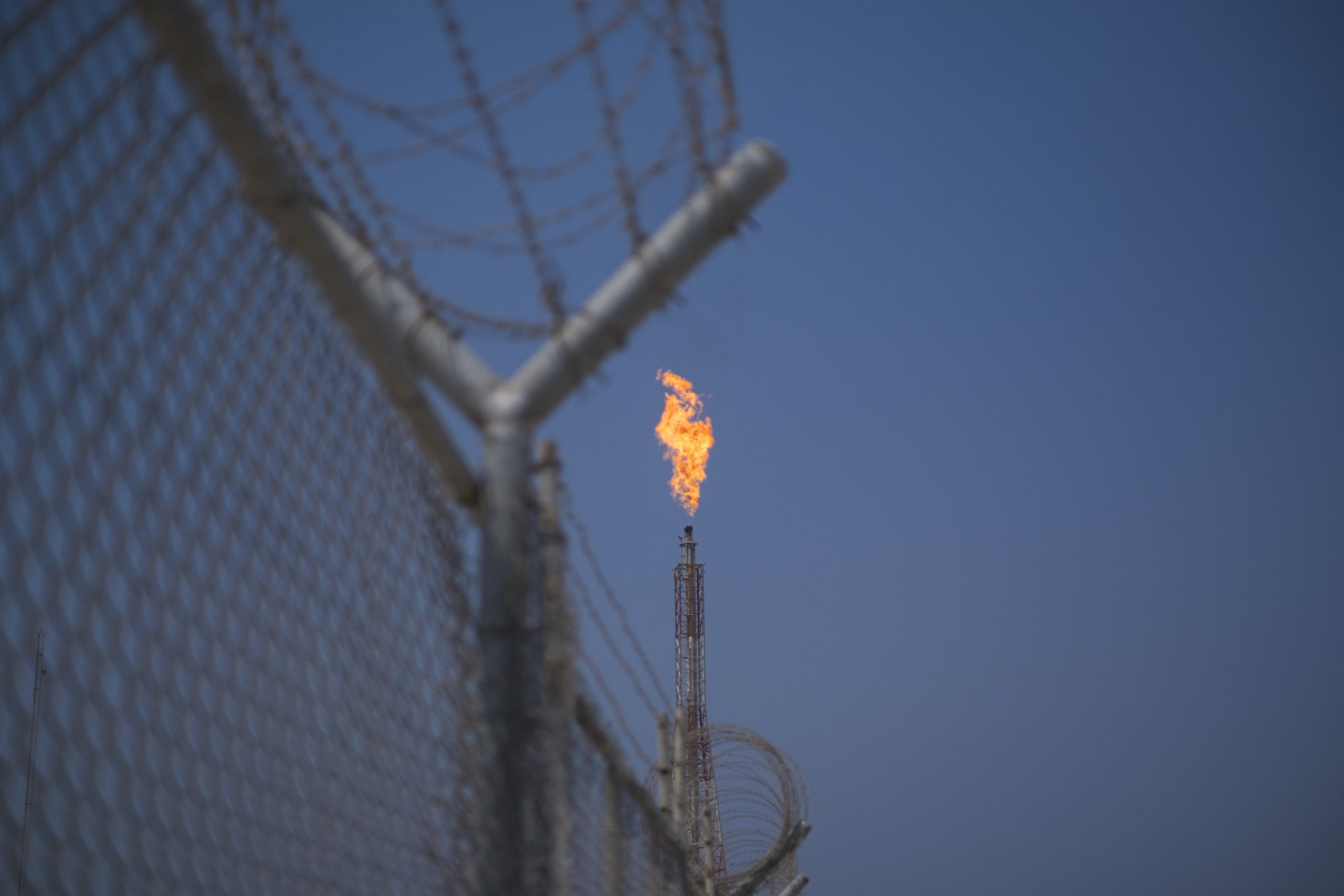
Iran’s Energy Infrastructure: A New Battleground in Global Tensions
A recent escalation of tensions in the Middle East has shone a spotlight on a critical, and perhaps unexpected, element of the conflict: Iran’s energy infrastructure. Following an alleged Israeli strike on Iran’s South Pars gas field, a vital component of its energy sector, the region is on edge, and the global energy market is feeling the tremors. The incident, and subsequent Iranian retaliation against gas facilities in Qatar, has triggered a flurry of diplomatic activity and raised serious questions about the future stability of the region.
A Strike Heard Around the World
The South Pars gas field is not just a source of domestic energy for Iran; it’s a crucial export hub and a significant contributor to the nation’s economy. The reported Israeli strike, whether or not the US had prior knowledge as officials claim, has been interpreted as a direct attack on Iran’s economic lifeblood. The retaliatory action against Qatari gas facilities, while seemingly impulsive, underscores the potential for rapid escalation and the willingness of involved parties to strike at each other’s critical infrastructure. President Trump’s quick statement denying US involvement and promising no future attacks on the South Pars field suggests a desire to de-escalate the situation and protect Qatar, a vital US ally.
Energy Prices and Geopolitical Chess
The attack and its aftermath have sent ripples through global energy markets, with prices experiencing a sharp increase. This volatility highlights the interconnectedness of the global energy system and the vulnerability of the market to geopolitical instability. The incident also underscores the complex web of alliances and rivalries in the Middle East. Qatar, a key US ally and major gas producer, found itself caught in the crossfire, demonstrating the far-reaching consequences of regional conflicts. The situation also brings into focus the strategic importance of the South Pars field, highlighting why it has become a key target in the ongoing tensions.
The Path Forward: De-escalation or Further Conflict?
The future remains uncertain. Will the parties involved heed calls for de-escalation, or will this incident serve as a catalyst for further conflict? The answer to this question hinges on a number of factors, including the willingness of international actors to mediate, the internal political dynamics within Iran and Israel, and the broader geopolitical landscape. One thing is clear: the attack on Iran’s energy infrastructure has opened a new and dangerous chapter in the ongoing tensions, with potentially far-reaching consequences for the region and the world. The incident serves as a stark reminder of the fragility of peace in the Middle East and the critical importance of diplomacy in preventing further escalation.
Based on materials: Vox



