
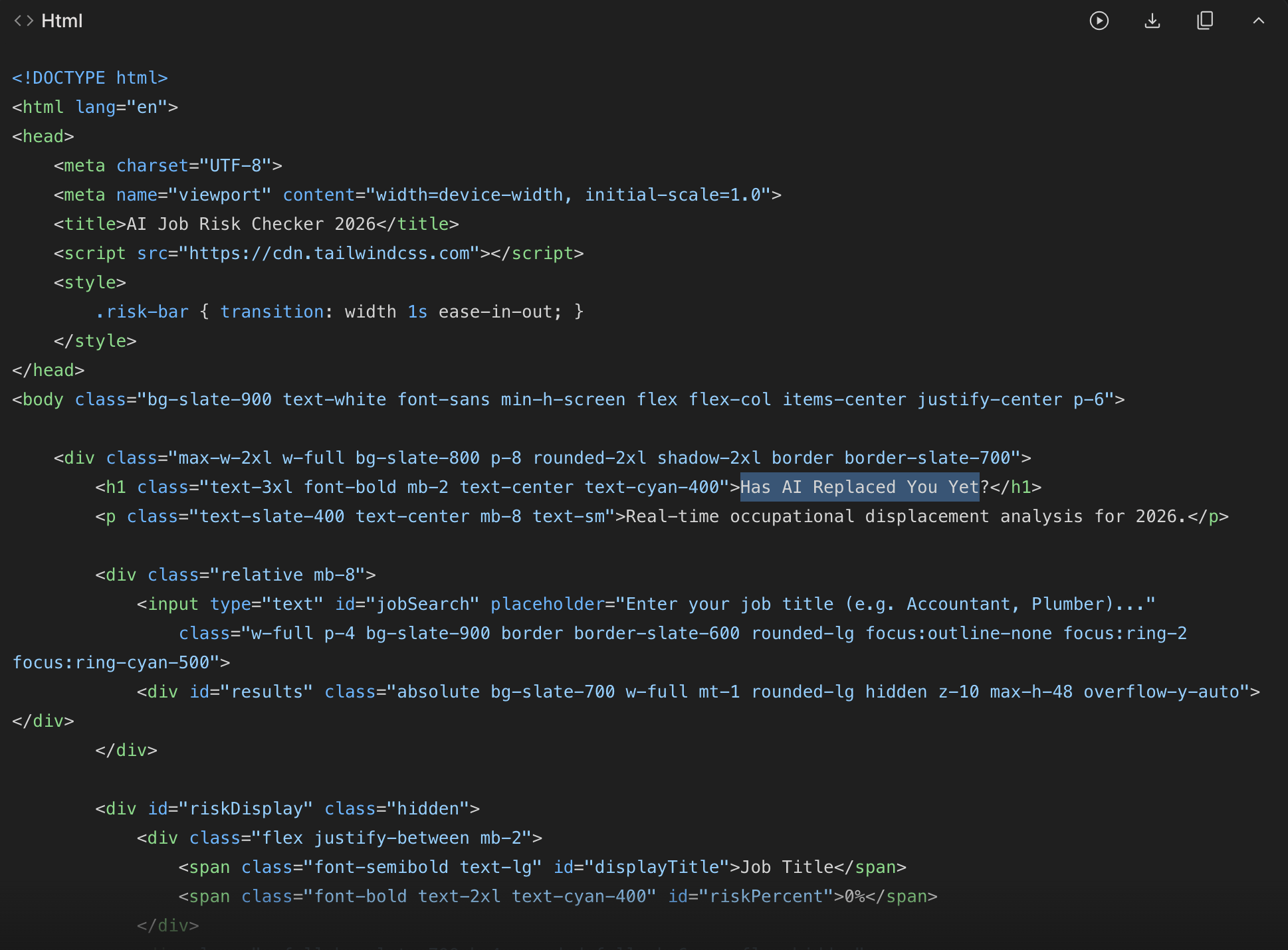
AI-Powered “Vibe Coding” Threatens to Disrupt Software Development
The rise of artificial intelligence is sending shockwaves through various industries, and software development is no exception. A new trend called “vibe coding,” fueled by powerful AI models, is empowering both seasoned developers and complete novices to create applications and websites with unprecedented ease. But this newfound accessibility raises a critical question: are coders inadvertently automating themselves out of a job?
What is Vibe Coding?
The term “vibe coding” was coined by OpenAI co-founder Andrej Karpathy, describing a coding style where developers “fully give in to the vibes, embrace exponentials, and forget that the code even exists.” In essence, it involves using AI platforms like Claude, Codex, and Gemini to generate code from simple prompts. This allows individuals with little to no coding experience to bring their ideas to life, while experienced developers can leverage AI to accelerate their workflow and tackle repetitive tasks.
The Trade-Off: Efficiency vs. Job Security
Vibe coding platforms are gaining traction across the tech landscape. From Amazon to Silicon Valley startups, companies are encouraging their coders to utilize these tools to streamline development processes. AI handles the tedious grunt work, freeing up human developers to focus on higher-level tasks, innovation, and problem-solving. However, this increased efficiency comes at a potential cost. As AI becomes more sophisticated, it could eventually automate more complex coding tasks, potentially reducing the demand for human developers.
This presents a complex trade-off. While some developers fear job displacement, others view AI as a valuable tool that enhances their capabilities and allows them to focus on more creative and strategic aspects of their work. Many are even willing to embrace the risk of automation if it means a more fulfilling and productive career in the short term. The argument is that AI can augment human skill, leading to a new era of hybrid human-AI development teams.
The Future of Coding: Collaboration or Replacement?
The long-term impact of AI on the coding profession remains uncertain. Will AI serve as a collaborative partner, empowering developers to achieve more? Or will it ultimately replace human coders altogether? The answer likely lies somewhere in between. As AI continues to evolve, the skills required of software developers will also change. Future coders may need to focus on AI prompt engineering, algorithm refinement, and the ethical considerations surrounding AI-driven development.
Ultimately, the key to navigating this evolving landscape is adaptability. Developers who embrace AI as a tool and are willing to learn new skills will be best positioned to thrive in the future of coding. The rise of vibe coding may be disruptive, but it also presents an opportunity for innovation and a reimagining of the software development process.
Based on materials: Vox



