
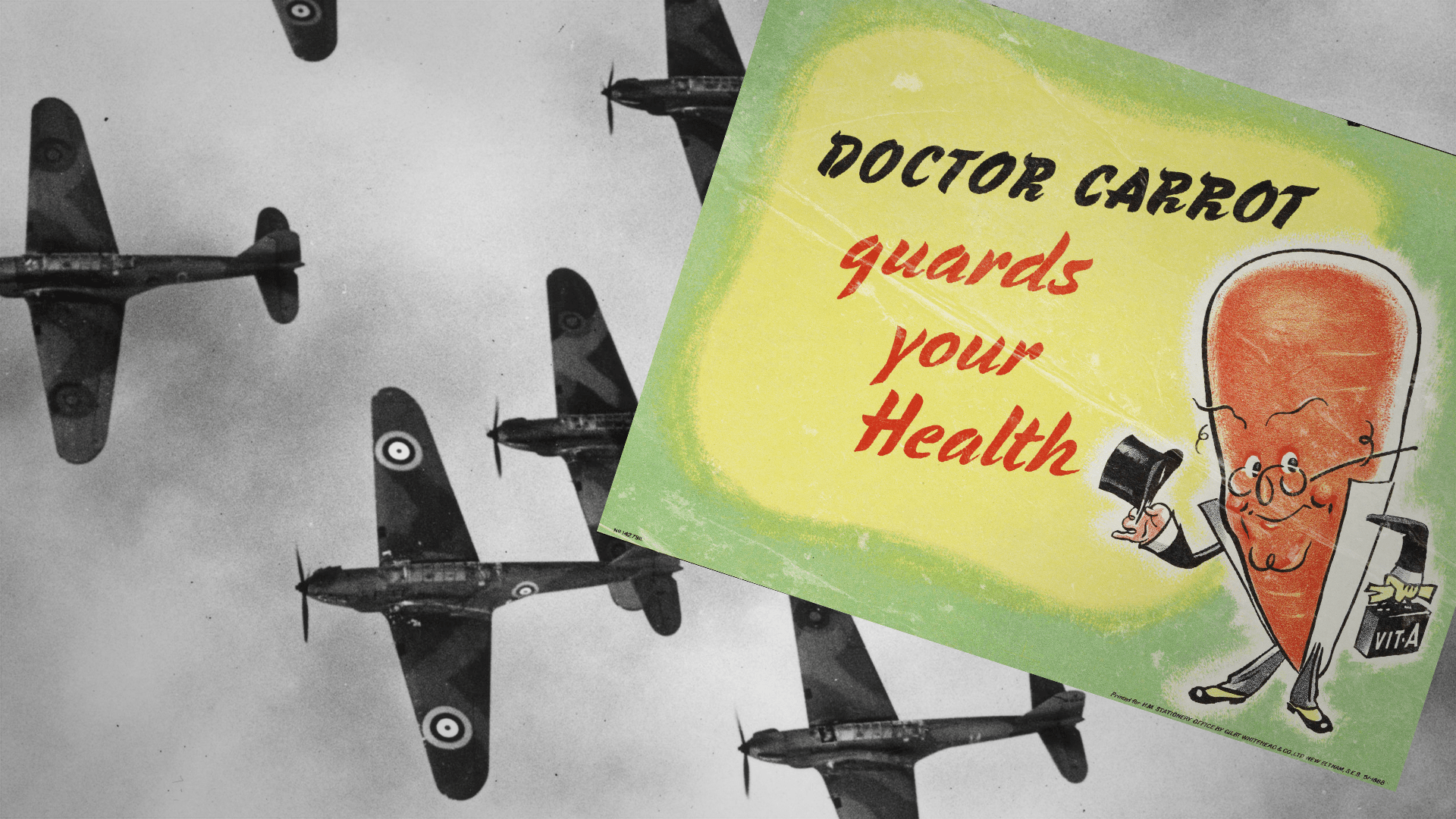
The Carrot and the Blitz: How a Wartime Lie Became a Nutritional Truth
We’ve all heard it: carrots are good for your eyesight, maybe even granting you superhuman night vision. But where did this enduring nutritional claim originate, and is there any scientific basis to it? The truth, as is often the case, is far more complex and steeped in wartime strategy than simple health advice.
Vitamin A: The Kernel of Truth
Carrots are indeed packed with Vitamin A, a crucial nutrient for healthy vision. Vitamin A deficiency can lead to night blindness and other vision problems. However, most people in developed countries consume sufficient Vitamin A through a balanced diet. Eating excessive amounts of carrots won’t magically enhance your vision beyond its natural capabilities, nor will it bestow the gift of seeing in the dark. Overdoing Vitamin A intake, particularly through supplements, can even be harmful.
A Clever Cover Story: Carrots as a Tool of War
The real story behind the carrot-night vision connection dates back to World War II and the Blitz, Nazi Germany’s relentless bombing campaign against London and other British cities. The British government, facing a desperate situation, needed to achieve several strategic goals simultaneously. They needed to maintain morale, explain their military successes, and mask a technological advantage. The Ministry of Information and the Ministry of Food joined forces to promote the idea that carrots significantly improved eyesight.
But why carrots? The propaganda campaign was launched to conceal the real reason why British pilots were so successful at shooting down German planes in the dark: radar technology. Revealing the existence of radar would have alerted the Germans, allowing them to develop countermeasures. Promoting carrots as the secret weapon, a readily available and seemingly innocuous food, served as the perfect smokescreen. It was a brilliant piece of disinformation, playing on existing health advice and turning it into a patriotic duty.
The Legacy of a Lie
While the carrot-night vision myth was born out of wartime necessity, it highlights the powerful influence of propaganda and the lasting impact of even the most far-fetched claims. The myth persisted long after the war, becoming ingrained in popular culture and reinforcing the importance of carrots in a healthy diet, even if for the wrong reasons. Now, we know that carrots are indeed good for us, but not for the reason we once thought.
SOURCE: Vox
Based on materials: Vox



