
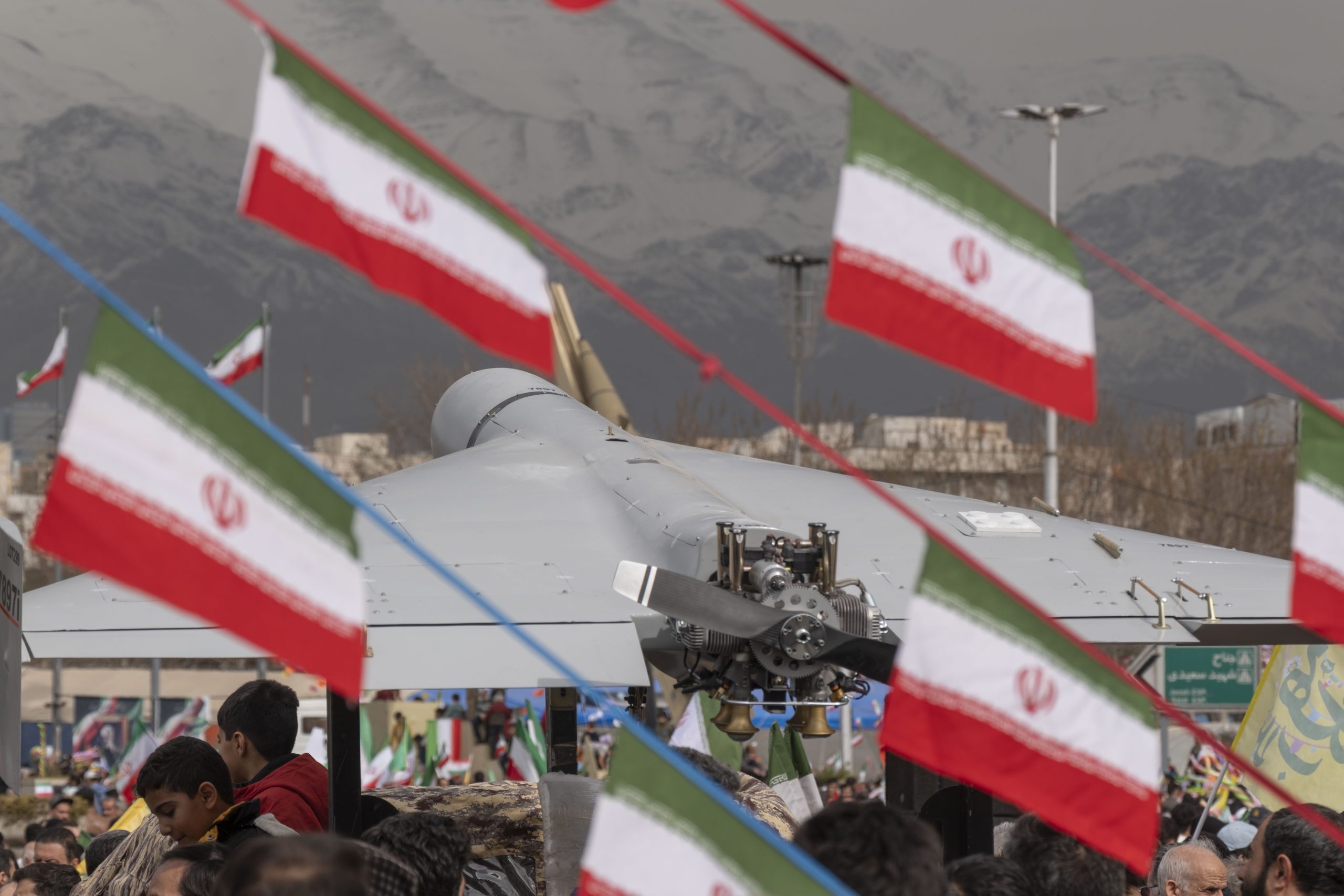
Iran’s “Kamikaze” Drones: A Cheap, Effective Game Changer?
In a rapidly evolving landscape of modern warfare, Iran’s deployment of the Shahed-136 drone has emerged as a significant disruptor, demonstrating how relatively inexpensive technology can have a disproportionately large impact. Despite suffering considerable military losses in a hypothetical conflict with the United States, Iran’s continued use of these drones highlights a strategic advantage with far-reaching implications.
The Rise of the Shahed-136
The Shahed-136, often referred to as a “kamikaze” or “suicide” drone, is a one-way, single-use attack drone that has quickly gained notoriety. Its key features include its small size, low cost, and surprisingly high accuracy. This combination makes it a difficult and economically challenging target for traditional defense systems. The impact of these drones has been felt keenly, with reports indicating they have been responsible for the deaths of six U.S. service members and caused substantial damage to critical oil and natural gas infrastructure in the United Arab Emirates, Qatar, and Saudi Arabia.
Asymmetric Warfare: A New Paradigm?
The success of the Shahed-136 underscores a shift towards asymmetric warfare, where less powerful actors can leverage readily available and affordable technology to challenge more technologically advanced adversaries. Michael C. Horowitz, a senior fellow for technology and innovation at the Council on Foreign Relations, frames this as a revolutionary moment, comparing it to the introduction of the machine gun in terms of its impact on the battlefield. The drone’s ability to evade traditional defenses, coupled with its low cost, creates a scenario where interceptor stockpiles are rapidly depleted, forcing a reassessment of defense strategies.
Implications for Future Conflicts
The Iranian drone program’s success raises crucial questions about the future of warfare. Can traditional military powers effectively counter such cost-effective threats? Will the proliferation of similar drone technology empower non-state actors and further destabilize already volatile regions? The answers to these questions remain uncertain, but the Shahed-136 has undoubtedly forced a reevaluation of military strategies and resource allocation. The drone’s impact suggests that future conflicts may be characterized by a greater reliance on cheap, readily available technologies capable of inflicting significant damage, potentially leveling the playing field between powerful and less powerful adversaries.
In conclusion, while the Shahed-136 may be a relatively simple piece of technology, its impact on the battlefield is anything but. It signals a potential paradigm shift in modern warfare, where inexpensive, readily available drones can challenge traditional military dominance and reshape the dynamics of conflict.
Based on materials: Vox



