
Supreme Court Sides with Internet Providers in Copyright Fight
The Supreme Court recently delivered a significant victory for internet service providers (ISPs) in the case of
Cox Communications v. Sony Music Entertainment
, overturning a billion-dollar verdict that threatened to reshape the internet landscape. In a unanimous decision, the justices sided with Cox, signaling a cautious approach to applying copyright law to the complexities of the modern internet. This ruling marks the latest in a series of cases where the Supreme Court has intervened to protect the internet’s fundamental operating principles.
The Case at Hand: Copyright and ISP Liability
At the heart of the case was the question of whether ISPs should be held liable for copyright infringement committed by their users. Sony Music Entertainment argued that Cox Communications, by failing to adequately police its users’ online activity, contributed to widespread copyright violations. The initial verdict, awarding Sony a staggering $1 billion in damages, sent shockwaves through the tech industry, raising concerns that ISPs could face crippling financial burdens for the actions of their subscribers.
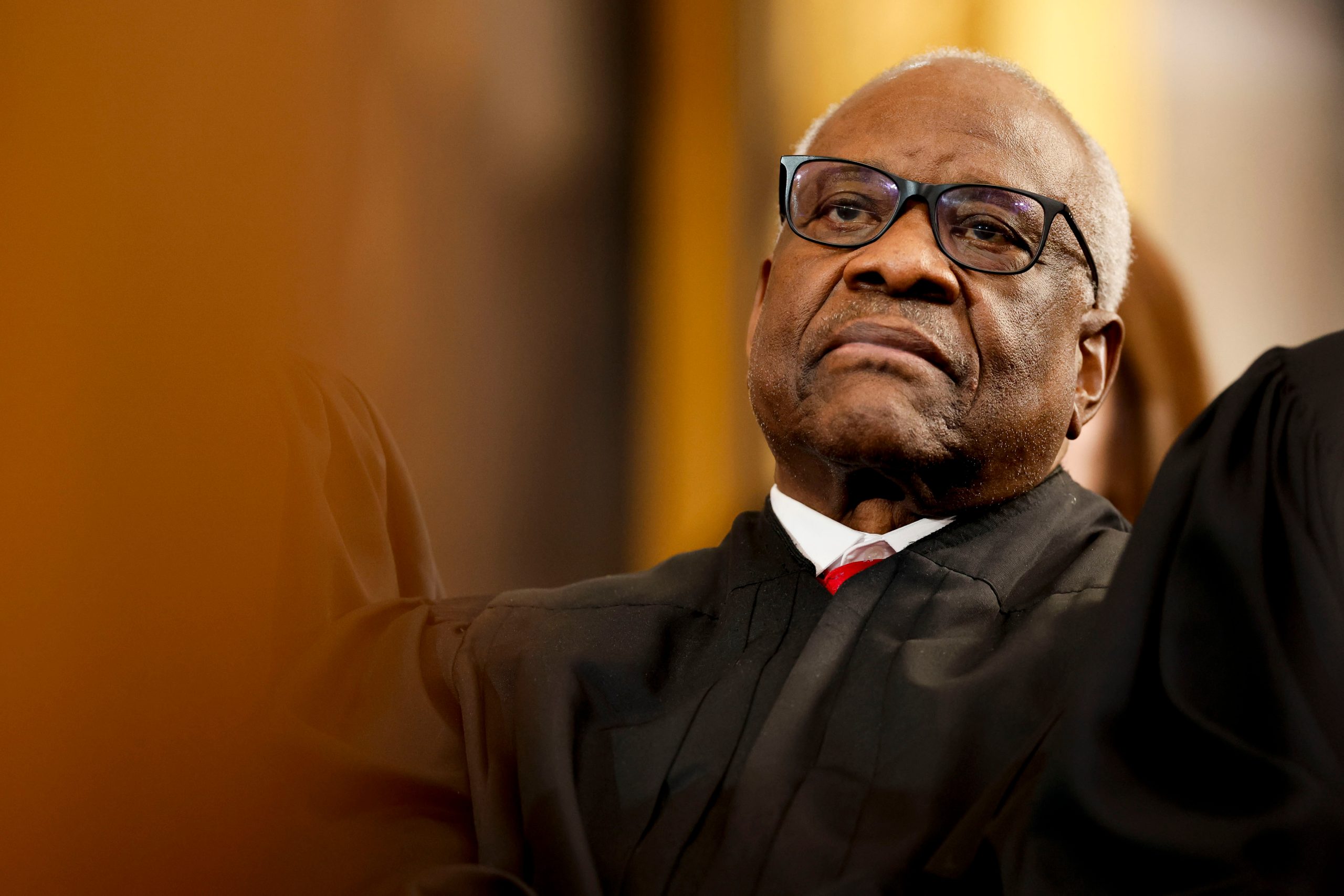
The Supreme Court, however, rejected this expansive interpretation of copyright law. Justice Clarence Thomas, writing for the majority, emphasized that ISPs are not automatically liable for copyright infringement simply because their networks are used to transmit infringing material. The court’s decision hinged on the concept of “safe harbor” provisions under the Digital Millennium Copyright Act (DMCA), which shields ISPs from liability if they take reasonable steps to address copyright infringement when notified. While the court acknowledged that Cox may not have fully met the requirements for safe harbor protection, it ultimately found that the lower court had erred in its application of the law.
Protecting the Internet’s Foundation
This ruling reflects a broader trend of the Supreme Court taking a measured and libertarian stance when confronted with cases that could disrupt the internet’s established norms. The justices appear keenly aware of the potential for unintended consequences and the importance of preserving the internet’s open and accessible nature. By consistently siding with a more restrained interpretation of regulations and laws, the court is safeguarding the internet from overreach that could stifle innovation and limit freedom of expression.
Looking Ahead
The
Cox v. Sony
decision offers much-needed clarity for ISPs, assuring them that they won’t be held automatically accountable for their users’ actions. However, the ruling also underscores the importance of ISPs taking proactive measures to combat copyright infringement, such as implementing robust “notice and takedown” procedures. The Supreme Court’s decision provides a framework for balancing the rights of copyright holders with the need to protect the internet’s vital role in modern society. It is now up to Congress to modernize laws to properly address the challenges of copyright infringement in the digital age.
SOURCE: Vox
Based on materials: Vox



