
The Tofu Test: When Food Choices Become a Battleground for Masculinity
In today’s hyper-connected world, even seemingly innocuous food choices can ignite fierce debates and reveal deeper societal anxieties. A recent incident involving a nutrition influencer highlights how meat consumption has become oddly intertwined with perceptions of masculinity, sparking a wave of online criticism and raising questions about cultural norms.
Jacob Smith, a 24-year-old with a significant Instagram following, dared to venture into the realm of plant-based eating. Inspired by research on the health benefits of reducing meat intake, Smith decided to experiment with tofu and share his experiences with his followers. What followed was a stark reminder of the pressures men face to conform to traditional ideals of strength and virility.
“Soy Boy” Slurs: A Toxic Brew of Insecurity and Stereotypes
Smith’s initial video, showcasing his tofu-cooking endeavors, was met with a mixed response. While some followers offered constructive advice, others resorted to a familiar and demeaning insult: “soy boy.” This derogatory term, often hurled at men who embrace plant-based diets, implies a lack of masculinity and physical weakness.
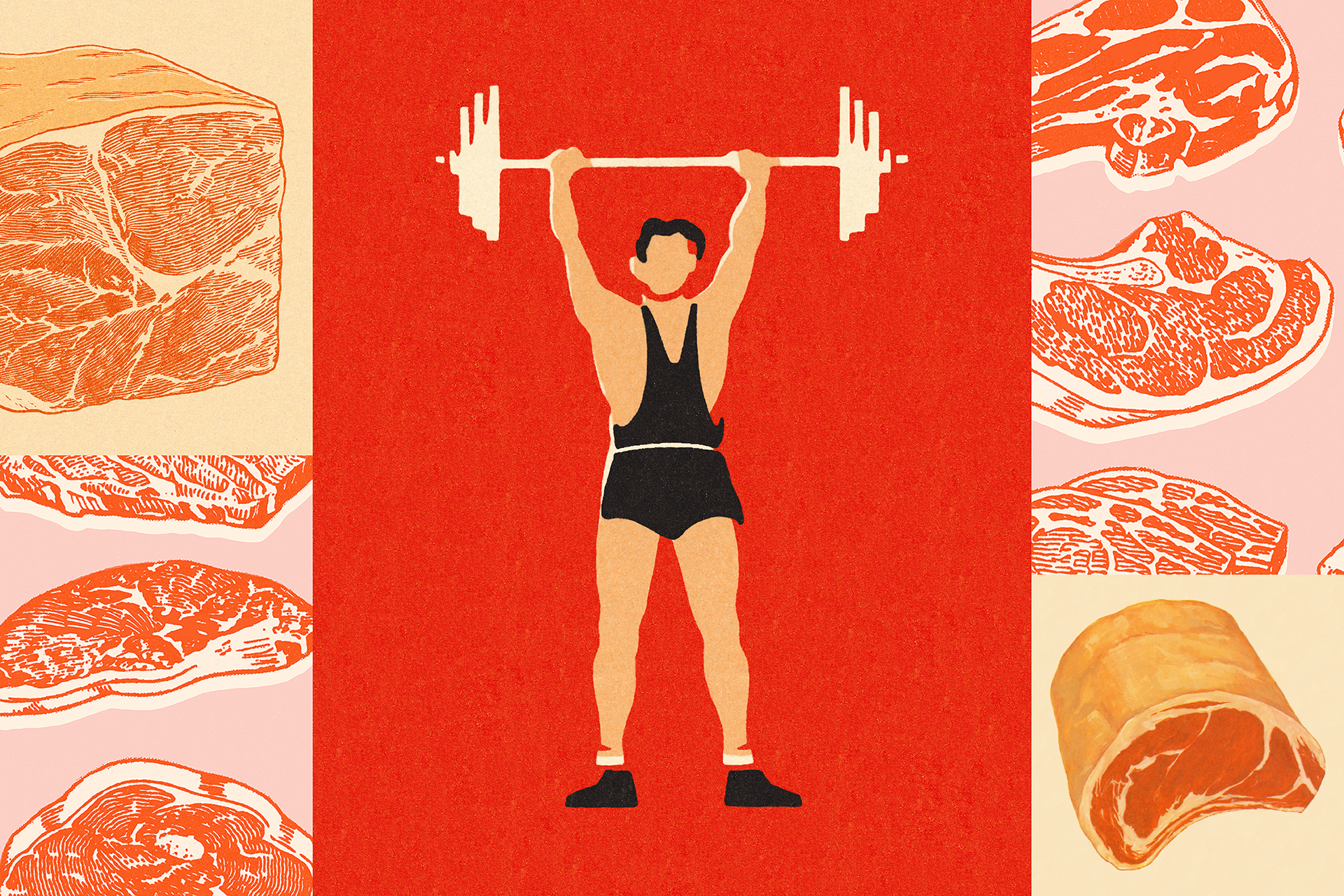
The “soy boy” insult taps into deep-seated anxieties about male identity. It suggests that consuming meat is essential for maintaining masculine strength and that choosing plant-based alternatives somehow diminishes a man’s virility. This notion is rooted in historical and cultural associations that link meat consumption with hunting prowess, physical dominance, and overall toughness.
Beyond the Plate: Unpacking the Underlying Issues
The backlash against Smith’s tofu experiment underscores a larger issue: the rigid and often harmful expectations placed on men. These expectations dictate not only how men should behave but also what they should eat. Deviating from these norms can lead to ridicule, social ostracism, and even accusations of betraying one’s gender.
It’s crucial to recognize that food choices are personal and should not be used as a weapon to enforce conformity. Embracing a more inclusive and accepting attitude towards different dietary preferences is essential for fostering a healthier and more equitable society.
Moving Towards a More Compassionate and Informed Dialogue
The “soy boy” controversy serves as a wake-up call. It’s time to challenge the outdated notion that meat consumption is a measure of masculinity. By promoting open and respectful conversations about food, gender, and health, we can create a culture that celebrates diversity and encourages individuals to make informed choices without fear of judgment or ridicule. Ultimately, true strength lies not in adhering to rigid stereotypes but in embracing individuality and promoting well-being for all.
Based on materials: Vox



